EU Extends Ukraine Training Mission as UK Joins Security Coordination
The €300 million extension strengthens European defence planning while keeping Britain central to allied training and postwar security efforts.
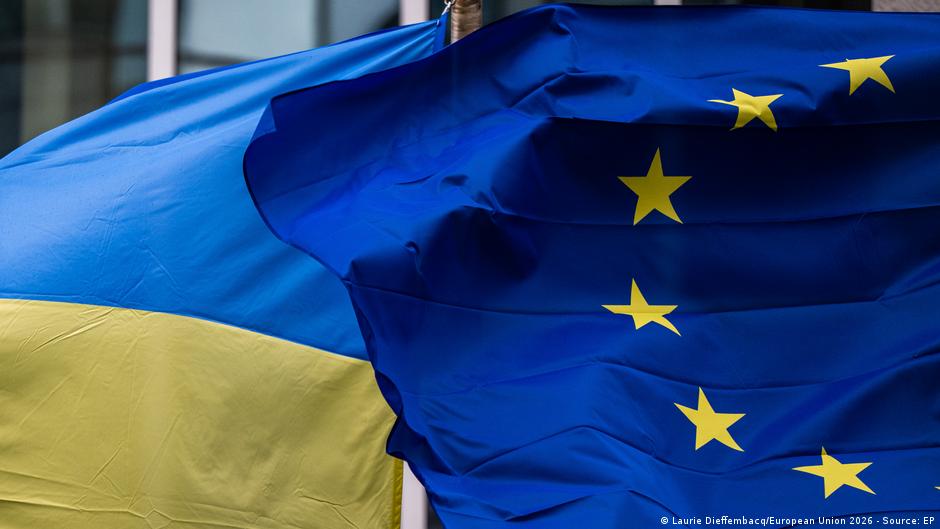
The European Union has extended its military training mission for Ukraine by two years, committing almost €300 million as European governments deepen defence cooperation with Britain and other non-EU allies.
The Council of the European Union renewed the mandate of the EU Military Assistance Mission in support of Ukraine, known as EUMAM Ukraine, until Nov. 15, 2028. The decision, announced in a Council press release published on Monday, Nov. 9, also provides for a mission office inside Ukraine to improve coordination with the country’s authorities and armed forces.
For British and European businesses, the extension signals that defence-related public spending and cross-border military cooperation are likely to remain prominent in government planning. The commitment is modest relative to the EU’s wider support for Kyiv, but it reinforces a longer-term policy framework that matters to defence manufacturers, logistics providers and other companies exposed to European security expenditure.
The decision does not itself establish a direct mechanism affecting sterling, and the Council announcement provided no assessment of currency or equity-market movements. For London investors, its significance lies chiefly in the broader trajectory of European defence commitments and the continued inclusion of the UK in security coordination after Brexit.
Britain remains embedded in European security planning
The mission’s scope will be expanded to place greater emphasis on lessons learned from combat operations and on strengthening military training in support of Ukraine’s defensive capacity. EUMAM will also continue working with partner countries outside the EU, including the United Kingdom, the United States, Canada and Norway.
Cooperation will extend to NATO and the international “Coalition of the Willing,” giving Britain a role in a security structure that reaches beyond formal EU institutions. That arrangement underlines the practical interdependence of UK and continental European defence policy despite Britain’s departure from the bloc.
EUMAM has trained more than 100,000 Ukrainian service members in EU countries since the mission was established in October 2022.
The EU created EUMAM at Ukraine’s request to help strengthen the country’s military capabilities. Its stated objectives include enabling Ukraine to defend its territorial integrity and sovereignty and to protect civilians from Russia’s armed aggression.
The new mission office in Ukraine is intended to bring training policy closer to Ukrainian officials and commanders. The expanded focus on battlefield experience also points to a more adaptive approach, with operational lessons feeding into future instruction delivered across participating European countries.
Funding forms part of a wider European package
The nearly €300 million allocation for the renewed mandate sits alongside substantially larger European commitments announced in recent weeks. At the end of September, EU foreign policy chief Kaja Kallas said member states had agreed to unblock €6.6 billion from the European Peace Facility after Hungary had vetoed its release since 2023.
Of that amount, €4.7 billion is to reimburse EU countries for weapons and ammunition they have already supplied to Ukraine. A further €1 billion is intended for joint purchases of new weapons, while €900 million is designated for financing EUMAM.
Separately, the European Commission transferred €4.36 billion to Kyiv on Nov. 5 under the Ukraine Support Loan programme. That payment included €658 million allocated for Ukraine’s defence requirements.
Together, the measures indicate that Europe is combining training, reimbursement, procurement and lending rather than relying on a single channel of support. For companies operating in the UK and EU defence supply chains, that structure may shape the timing and composition of public-sector demand. However, the announcements did not identify individual contractors or provide new procurement awards.
The fiscal commitments also remain relevant to investors assessing European borrowing needs, industrial capacity and the distribution of defence spending among member states. Any sterling implications would be indirect, reflecting changes in regional risk sentiment, UK defence participation or expectations for government expenditure rather than the EUMAM budget alone.
UK and France lead coalition exercises in Poland
The extension coincides with the start of the first joint military exercises by members of the Coalition of the Willing. The drills began in Poland on Nov. 9 under the leadership of France and the United Kingdom.
About 2,800 military personnel from 11 countries, including Germany, are taking part. The exercises are intended to test mechanisms for providing Ukraine with long-term security after the war ends and are scheduled to continue until Nov. 22.
Britain’s leadership role in the Polish exercises, alongside France, gives London a visible position in preparations for Ukraine’s longer-term security. Combined with the EU mission’s continued cooperation with the UK, the developments show British participation operating through overlapping European, NATO and coalition formats.
For the London market, the policy signal is one of sustained European defence coordination rather than an isolated funding announcement. The immediate EUMAM allocation is denominated in euros and funded through the EU framework, but British strategic involvement ensures that the programme’s direction remains relevant to UK-listed defence businesses, policymakers and investors tracking the region’s security outlook.



