German Military Bans Chinese Drones and Cars Over Espionage Fears
Berlin’s security restrictions sharpen scrutiny of Chinese technology across European defence supply chains and connected vehicles.
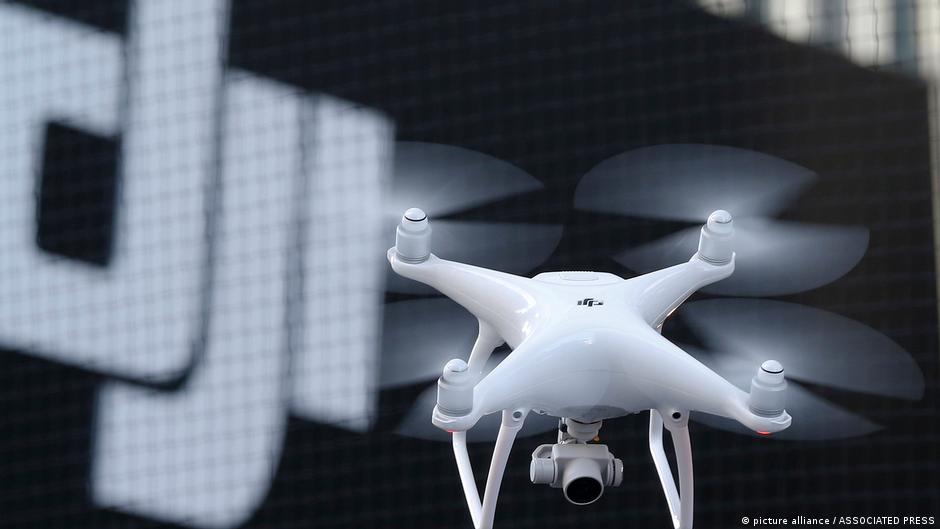
Germany’s armed forces have banned small Chinese-made drones from barracks and military training grounds and barred Chinese-branded cars from entering military sites, escalating European concern about the security risks posed by connected technology.
A German Defence Ministry representative told Der Spiegel that the Bundeswehr was introducing an immediate prohibition on the use of all compact Chinese unmanned aerial vehicles at garrisons and training areas. Personnel have been ordered to stop using equipment already purchased from Chinese manufacturers, including DJI.
Existing drones will be replaced with systems made in Germany or elsewhere in Europe, according to the representative. That decision creates a potential opening for European manufacturers as governments seek to reduce their exposure to Chinese hardware in sensitive defence environments.
Chinese vehicles excluded from military facilities
The Bundeswehr has also prohibited vehicles made by BYD, Geely and other Chinese brands from entering garrisons and other military installations, Der Spiegel reported. Service personnel who own the affected cars must leave them outside protected security zones and walk to their place of duty.
German officials are concerned that cameras and sensors installed in Chinese-made equipment could collect classified information and transmit it to Chinese security agencies. In the case of drones, the information could include images of barracks and training grounds, details of military exercises and data about German weapons systems.
The restrictions place connected cameras, microphones and sensors at the centre of Europe’s widening debate over technology, defence security and dependence on Chinese suppliers.
The measures are particularly significant for the European automotive market, where Chinese electric-vehicle manufacturers have been expanding rapidly. Der Spiegel reported in late August that network-connected electric cars from China could potentially serve as channels for espionage because their cameras, microphones and sensors can gather large amounts of information about their surroundings and movements. German authorities are analysing those risks.
Demand for electric vehicles in Germany rose by 80% over the preceding year, supported by a government subsidy programme attractive to motorists and by the effects of the energy crisis. Chinese manufacturers recorded the strongest growth in sales, increasing the commercial stakes of any broader restrictions that might follow the military decision.
British defence concerns add pressure
The German ban also has direct relevance for Britain. The Telegraph reported on 9 August that Royal Navy K3 Scout maritime reconnaissance drones fitted with Chinese-made components had secretly transmitted information to China.
The drones, valued at £12 million, were supplied by British company Kraken Technology Group. Their integrated cameras were produced by a subcontractor that had guaranteed their security. A UK Ministry of Defence source said London had proposed using the K3 maritime drones to help protect freedom of navigation in the Strait of Hormuz.
That episode and the Bundeswehr’s action point to a shared British and European challenge: identifying security vulnerabilities that may sit deep within defence supply chains, including components supplied through subcontractors rather than purchased directly from Chinese companies.
For UK businesses, tighter procurement standards could raise compliance and replacement costs, but they may also generate demand for British and European drone, sensor and cybersecurity suppliers. The commercial impact will depend on whether restrictions remain confined to military property or develop into wider procurement rules covering government fleets, critical infrastructure and contractors.
London investors assess supply-chain implications
No specific London market reaction or movement in sterling was reported in connection with the German announcement. Nevertheless, the restrictions give investors another reason to examine the exposure of UK-listed defence, automotive and technology companies to Chinese components and data-security requirements.
The immediate implications for sterling appear indirect rather than tied to a disclosed financial cost. A broader European shift towards domestically produced equipment could support regional manufacturing and security investment, while more extensive screening or replacement programmes could increase costs for public authorities and companies.
For Chinese electric-car makers, the German military ban does not amount to a prohibition on consumer sales. It does, however, add reputational and regulatory pressure in Europe’s largest car market at a time when their sales are growing quickly. Any extension of the security review beyond military sites could affect fleet purchasing decisions and the competitive landscape for European manufacturers.
Berlin’s decision therefore extends beyond the operation of drones at German bases. It signals that European governments are increasingly treating connected civilian products—including cars—as potential security infrastructure when they enter sensitive locations. British policymakers and defence contractors are likely to face similar questions about where components originate, what data they collect and where that information is transmitted.



