German Russia Fears Raise Energy and Security Stakes for UK and EU
An Ipsos poll shows German voters remain wary of Russia as Europe weighs security risks and the potential restoration of Russian energy supplies.
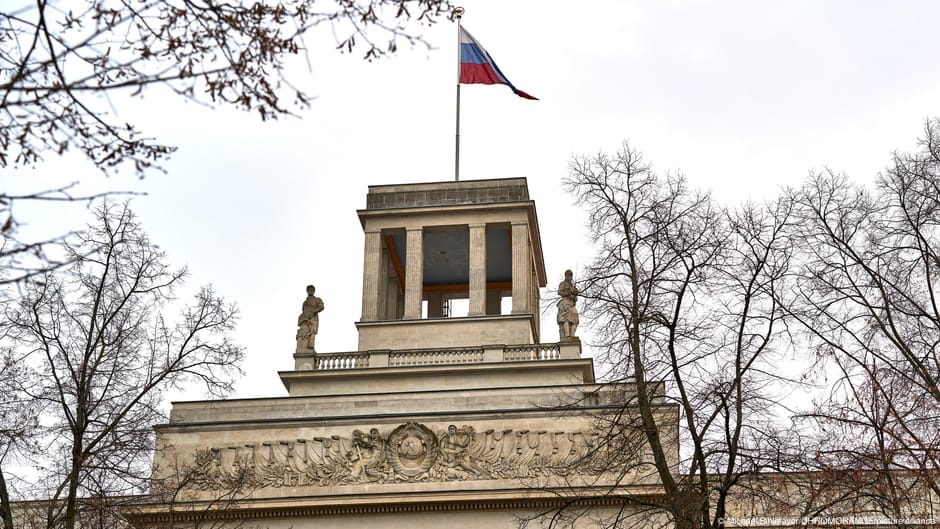
Germany’s continuing concern about Russia is reinforcing the security and energy-policy pressures confronting Europe, with potential implications for British businesses, EU industry and investors monitoring the region’s economic resilience.
More than 60% of German voters agreed that Russia represents a threat to Germany, while 24% rejected that view, according to an Ipsos survey reported by Der Spiegel on Monday, November 16. The poll was conducted from November 5 to November 8 among 2,019 German citizens eligible to vote and has a margin of error of up to 2.2 percentage points.
The findings matter beyond Germany because Europe’s largest economy is central to EU decisions on sanctions, defence expenditure and energy security. For UK companies trading with the bloc, German policy can influence demand, supply chains and business confidence. The survey itself provides no evidence of a direct reaction in London markets or an immediate effect on sterling, but the issues it measures remain relevant to investors assessing European energy costs and geopolitical risk.
Political divisions shape Germany’s Russia policy
Views differed sharply according to political affiliation. More than 80% of voters supporting the conservative Christian Democratic Union and Christian Social Union bloc, the Social Democratic Party or Alliance 90/The Greens regarded Russia as a threat. The same view was held by 54% of respondents who had voted for the Left Party.
Only 26% of supporters of the far-right Alternative for Germany, or AfD, said Russia posed a danger. Among AfD voters, 39% said they “completely disagreed” with that proposition and another 21% said they “tended to disagree.” A similar distribution was recorded among voters for the left-populist BSW, the Alliance for Social Justice and a Reasonable Economy founded by Sahra Wagenknecht.
Regional differences were also evident. In western Germany, 65% of respondents considered Russia a threat regardless of political preference, compared with 53% in the country’s eastern regions.
More than 60% of German voters agreed that Russia represents a threat to Germany, while 24% rejected that assessment.
Both AfD and BSW are known for pro-Russian narratives. Even so, nearly 40% of their supporters agreed that Russia bears responsibility for the war against Ukraine. Across the full sample, 55% completely agreed with that statement and a further 18% said they tended to agree. Even AfD supporters therefore included voters who regarded Vladimir Putin as responsible for launching the war.
Russian energy remains a divisive economic question
German voters were almost evenly split over whether imports of Russian oil and gas should resume. The proposal was opposed by 44% of respondents and supported by 42%, while 14% were undecided.
That narrow division highlights the difficult trade-off facing policymakers between security concerns and the economic appeal of potentially restoring former energy links. Germany’s industrial sector has historically been highly sensitive to energy availability and cost, making the debate relevant to manufacturers and their suppliers across the EU and Britain.
For London-based investors, the result offers a measure of the political constraints surrounding any future change in German energy policy. A resumption of Russian supplies could affect expectations for European energy prices and industrial competitiveness, but the poll records public preferences rather than a government decision. It also contains no pricing data, policy timetable or evidence of a specific movement in UK equities, bonds or sterling.
Conflict concerns add to Europe’s risk outlook
German intelligence services have warned in recent months that Russia could begin testing NATO’s resolve and cohesion by 2030 through targeted operations on alliance territory. Reports suggesting that a war between Russia and Germany could begin within the next four years caused concern among 43% of respondents.
Women expressed greater anxiety than men: 50% of female respondents said they were concerned, compared with 37% of male respondents. The survey also found a pronounced generational gap. Among people aged 18 to 29, 54% reported fears of war, while the share fell to 35% among those aged 60 to 75.
The results suggest that German public opinion continues to support a cautious approach towards Moscow, although divisions over Russian energy and substantial differences among political groups could complicate future policy. For Britain and the EU, the commercial significance lies less in a single survey-driven market move than in how those attitudes may shape defence priorities, sanctions policy and the energy environment in which European companies operate.



