Russian Libertarian Party Dissolves After ‘Foreign Agent’ Designation
The Karnavsky-led faction voted to disband as Russia’s restrictions on political organisations deepen legal and governance concerns for Europe.
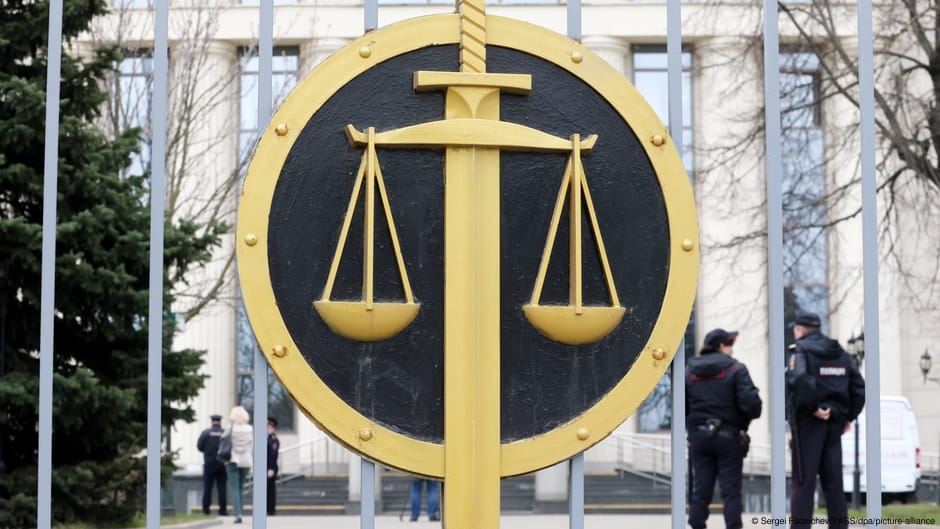
A faction of the Libertarian Party of Russia, or LPR, led by Sergei Karnavsky has voted to dissolve itself after concluding that its designation as a “foreign agent” made continued operations incompatible with the safety of members and supporters.
A majority of delegates backed the decision at a party congress held on Sunday, November 15, according to statements published on the LPR’s social media pages. The move marks the end of organised activity by the Karnavsky-led branch following a sequence of Russian Justice Ministry decisions targeting rival groups that continued to use the same party name.
For British and European businesses, the development is not a direct corporate or market event and the party made no claim about an impact on sterling or London-listed securities. Its broader relevance lies in the political and legal environment surrounding organisations operating in, dealing with or monitoring Russia. The closure adds to evidence of tighter restrictions on independent groups, an issue that can influence European assessments of governance, regulatory predictability and country risk.
Safety concerns drive decision
The party linked its dissolution directly to the “foreign agent” status previously imposed by the Russian Justice Ministry. Karnavsky said the organisation could no longer operate in its existing form while adequately protecting those associated with it.
“We made this decision with a heavy heart — but with the understanding that we must ensure the safety of our members and supporters.”
He added that the continued existence of the party organisation in its current form appeared difficult to reconcile with that responsibility. Karnavsky is expected to file a formal application with the Justice Ministry and seek the LPR’s removal from the register of “foreign agents” because it is ending its activities.
The designation carries particular significance for European observers because it forms part of the compliance landscape affecting political, civic and media organisations in Russia. Although the dissolution itself provides no basis for asserting a measurable reaction in the pound or London equities, developments of this kind remain relevant to UK and EU institutions and companies assessing exposure to Russian legal and political risk.
From attempted registration to opposition activity
The Libertarian Party of Russia applied for official registration with the Justice Ministry in April 2008, but the ministry rejected the application. Despite that refusal, the LPR could initially be regarded as part of the system-oriented opposition because it did not openly criticise the Russian leadership’s political course. Its representatives attended a meeting in 2012 with Dmitry Medvedev, who was Russia’s president at the time.
The party’s position shifted after significant leadership changes. In 2017, it supported Alexei Navalny as a candidate for the presidential election. The LPR subsequently took part in or organised several opposition demonstrations, including an April 2018 rally against the blocking of Telegram in Russia. Navalny was among the speakers at that event.
Internal disputes became increasingly visible in 2018. One source of tension was the growing influence of commentator and prominent libertarian speaker Mikhail Svetov, who had become one of the party’s most recognisable figures. The final split came at the end of 2020, producing one branch headed by Sergei Boyko and another associated with Svetov. Both retained the name Libertarian Party of Russia.
Two factions targeted in succession
Members of both branches later faced growing pressure in Russia, prompting many libertarians to leave the country. On July 17, 2026, the Justice Ministry designated the Libertarian Party of the Russian Federation as a “foreign agent.” The ministry’s description indicated that the restrictions were directed at the LPR faction connected with Svetov.
That faction announced on July 22 that it was ending its activities. A week after the first designation, however, another LPR appeared in the Justice Ministry’s regular Friday announcement of new “foreign agents.” The accompanying description referred to the Boyko-linked branch, which was led by Karnavsky.
The Karnavsky faction’s subsequent vote means that both organisations operating under the LPR name have now announced an end to their activities following the ministry’s actions. The chronology also illustrates how legal restrictions were applied separately to competing groups that emerged from the same political organisation.
For London and other European financial centres, the immediate significance is therefore qualitative rather than price-based. The case offers another indicator for political-risk teams, compliance officers and investors tracking Russia’s institutional direction. Any implications for sterling or UK-listed assets would depend on wider diplomatic, sanctions or commercial developments; none were announced in connection with the party’s dissolution.



