Ukraine Assures Libya After Russian Warship Strike Draws EU Split
Kyiv says it will not extend the war beyond Russian military targets as Italy, Germany and France diverge over the Libya operation.
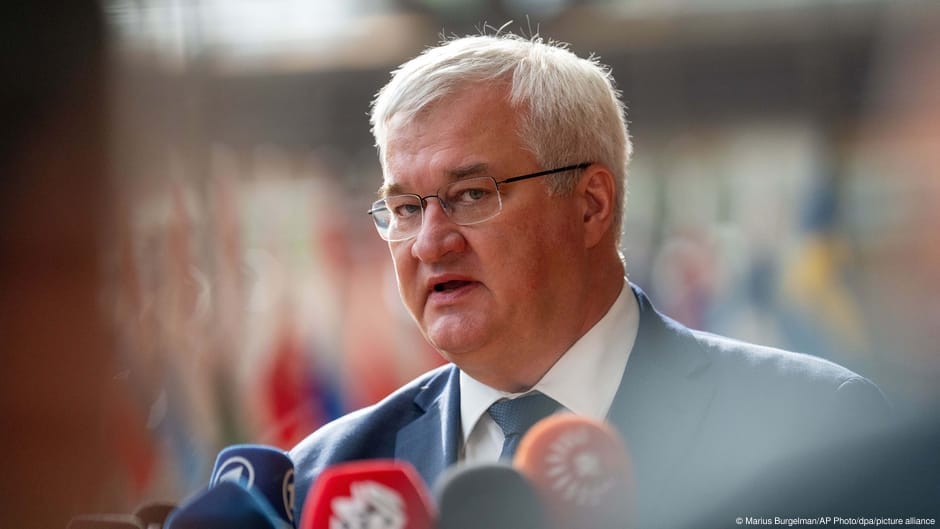
Ukraine has assured Libya that it does not intend to transfer the war started by Russia onto Libyan territory or that of other countries, after an operation near Benghazi sank a Russian corvette and left two Libyan servicemen dead.
Ukrainian Foreign Minister Andrii Sybiha made the statement on Thursday evening, November 26, during a telephone call that he initiated with Taher Salem Al-Baour, acting foreign minister in Libya’s internationally recognised administration. The diplomatic intervention followed mounting criticism of Kyiv’s operation and exposed differing European responses to the geographic reach of the conflict.
The attack took place during the night of November 22, when Ukraine sank the Russian warship Mercury in the port of Benghazi and struck a cargo vessel near the port. Authorities in eastern Libya said two Libyan military personnel subsequently died from their injuries.
The Benghazi-based eastern authorities are not recognised by the United Nations and maintain close relations with Russia. Libya’s internationally recognised government is based in Tripoli, and Al-Baour is a member of that administration.
European capitals divide over Kyiv’s operation
Sybiha told his Libyan counterpart that Ukraine’s actions had been directed exclusively at Russian military assets being used directly in the war. He also expressed regret over the unintended consequences of the operation and offered condolences to the Libyan people.
“I expressed regret over the unintended consequences and offered sincere condolences to the Libyan people,” Sybiha said.
The Ukrainian minister reaffirmed Kyiv’s full support for Libya’s sovereignty and territorial integrity, as well as initiatives intended to reunify the divided North African country.
Ukrainian President Volodymyr Zelensky described the mission on November 23 as an exemplary drone operation off Libya’s coast. He said a Ka-27 helicopter aboard the Mercury was also destroyed. According to Zelensky, the damaged dry cargo ship MV ANGARA had been used by Russia to transport weapons.
Authorities in eastern Libya accused Ukraine of violating the country’s sovereignty and asked the United Nations to investigate the alleged presence of Ukrainian armed forces in western Libya. The UN-recognised government in Tripoli also condemned the Ukrainian attacks, despite Sybiha’s subsequent outreach to one of its senior representatives.
The incident has produced sharply contrasting reactions among major European Union governments. French Foreign Minister Jean-Noël Barrot backed Kyiv’s actions, citing Ukraine’s right to self-defence and holding Russia responsible for the widening scope of the war.
Italy took the opposite view, telling Ukraine that an attack on Russian vessels in Libyan waters had been a mistake. Rome also warned Kyiv against spreading the conflict into additional territories. German Foreign Minister Johann Wadephul similarly stressed that a geographic expansion of the war was unacceptable.
Security risks matter for Britain and European markets
For Britain and the EU, the dispute carries wider business and security implications even though the source account provides no specific movement in sterling, London-listed shares or other financial markets following the operation. Libya occupies a strategically important position on the Mediterranean’s southern flank, while any broadening of military activity beyond Ukraine risks adding uncertainty for European trade, shipping and energy interests.
The division among France, Italy and Germany is also significant for European companies and investors assessing the durability of Western support for Kyiv. Paris framed the strike as a legitimate act of Ukrainian self-defence, whereas Rome and Berlin emphasised territorial limits and the danger of escalation. Those competing positions may complicate efforts to maintain a coordinated European approach toward Russia.
Italy’s response is particularly relevant because of its proximity to Libya and its strong interest in stability across the central Mediterranean. Germany’s warning reinforces concerns in parts of Europe that operations outside the established theatre of war could heighten diplomatic and commercial risk. France’s position, by contrast, underscores the argument that Russian military assets directly supporting the war remain legitimate targets.
Britain was not cited as issuing a response to the Benghazi operation in the source material. Nevertheless, London has been a prominent supporter of Ukraine, and UK businesses remain exposed to shifts in European security conditions, sanctions policy and maritime risk. Any direct sterling or London market reaction would require separate market data and cannot be inferred from the diplomatic statements alone.
Sybiha’s call appears intended to contain the fallout by distinguishing attacks on Russian military-linked assets from any broader challenge to Libyan sovereignty. His assurance, however, comes amid condemnation from both rival Libyan administrations and clear disagreement among Ukraine’s European partners over how far Kyiv’s right to self-defence should extend geographically.
The immediate diplomatic test will be whether Ukraine’s expressions of regret and support for Libya’s territorial integrity can ease demands for an international investigation. For European governments, the episode leaves a more difficult strategic question: how to sustain support for Ukraine while limiting the risk that attacks on Russian assets create new theatres of confrontation around the Mediterranean.



