Bolivia and US Resume Anti-Drug Cooperation After 18 Years, Impacting UK and EU Markets
Bolivia and the United States sign a landmark drug enforcement agreement, potentially influencing global cocaine trade and London’s financial markets.
After nearly two decades of severed diplomatic ties, Bolivia and the United States have signed a new agreement to jointly combat drug trafficking and organized crime. The pact, the first of its kind since 2008, marks a significant development in international cooperation amidst complex geopolitical dynamics.
Renewed US-Bolivia Collaboration in Drug Enforcement
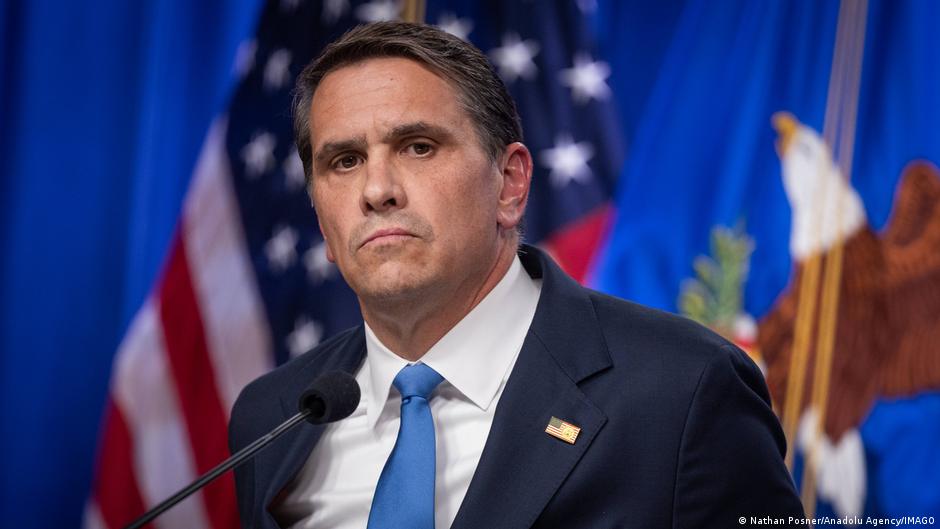
The agreement, officially titled the "Agreement to Strengthen Bilateral Cooperation in the Fight Against Illicit Drug Trafficking and Transnational Organized Crime," was signed by Bolivia’s Foreign Minister Fernando Aramayo. The US will contribute up to $20 million to train Bolivian specialists and provide modern equipment to aid anti-narcotics efforts.
This renewed partnership is particularly notable given the absence of formal diplomatic relations between the two nations since 2008, when then-Bolivian President Evo Morales expelled the US Drug Enforcement Administration (DEA) and severed ties.
While cooperation between Bolivia and the DEA has recently resumed on some level, the American agency's office in La Paz remains closed, and neither country has reinstated ambassadorial exchanges.
"This agreement represents a cautious but important step toward addressing the challenges of drug trafficking that affect multiple regions, including Europe."
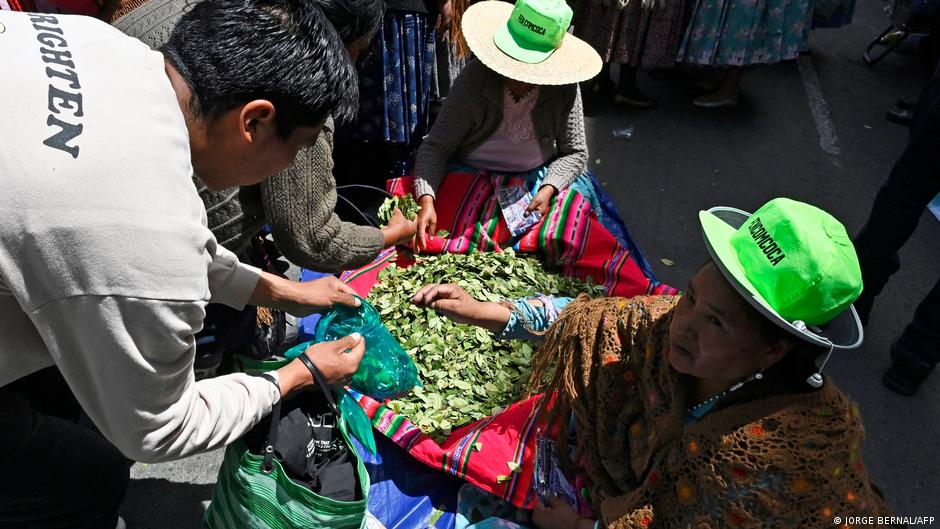
Bolivia ranks as the third-largest global producer of cocaine, a fact underscored by the country’s long-standing cultural tradition of coca leaf chewing. The illicit drug trade has profound international implications, impacting security, economics, and public health far beyond South American borders.
Implications for UK and European Business and Markets
The resumption of US-Bolivian anti-drug collaboration could have ripple effects on European and UK interests, particularly within London’s financial markets. The cocaine trade has historically fueled illicit financial flows that enter European banking systems, affecting money laundering risks and regulatory frameworks.
For British financial institutions, stricter cooperation and intelligence sharing between the US and Bolivia might translate into enhanced transparency and reduced illicit capital movements. This could influence sterling’s stability indirectly by affecting market confidence and regulatory compliance costs.
Moreover, the UK and EU remain major destinations for cocaine trafficked from South America. Improved interdiction efforts can impact supply chains and prices, with potential repercussions for law enforcement budgets and healthcare expenditures across Europe.
Financial and commodities markets in London may also monitor the geopolitical and security developments prompted by this agreement, as increased US engagement in Bolivia could shift regional dynamics in Latin America, affecting commodity exports and trade flows.
Overall, this new agreement symbolizes a cautious thaw in US-Bolivian relations that could yield both challenges and opportunities for British and European stakeholders with interests in global security and financial stability.