NATO Considers Expanding Tactical Nuclear Deterrence in Europe Amid Security Concerns
NATO allies discuss deploying additional US tactical nuclear weapons in Finland, Poland, and Lithuania amid heightened tensions with Russia.
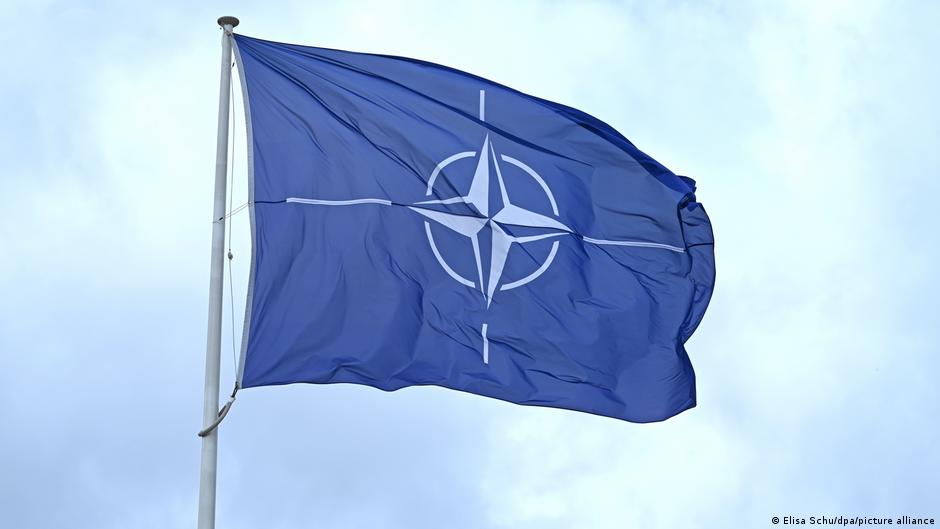
In response to growing security concerns related to Russia, NATO allies are deliberating the expansion of nuclear deterrence capabilities in Europe. Discussions are underway about the potential deployment of additional tactical nuclear weapons in Finland, Poland, and Lithuania, signaling a shift in the alliance’s strategic posture.
Strategic Implications for the UK and European Markets
The move to expand nuclear sharing raises significant considerations for the United Kingdom and the European Union, both politically and economically. As Britain maintains its own nuclear deterrent and continues to play a leading role in NATO, any escalation in nuclear presence on the continent can influence defense spending and market confidence across Europe.
London’s financial markets are particularly sensitive to geopolitical stability in Europe. The prospect of increased nuclear deployment could drive fluctuations in sterling, with investors weighing the risks of heightened East-West tensions against the UK's role in NATO security frameworks.
“We must ensure that no nuclear strike can be carried out against us without facing a credible retaliatory response,” NATO Secretary General Mark Rutte emphasized, underscoring the alliance’s commitment to collective defense.
This expansion would involve tactical nuclear weapons intended for battlefield use rather than strategic long-range strikes. These smaller-yield warheads are designed to target military assets such as troop formations, airbases, ports, and command centers, typically delivered by fighter aircraft or cruise missiles.
Currently, about 100 US B61-12 nuclear bombs are stationed in Europe under NATO's Nuclear Sharing program, spread across six air bases in Germany, Belgium, Italy, the Netherlands, and Turkey. The potential extension to include Finland, Poland, and Lithuania marks a significant development, reflecting a recalibration of NATO’s deterrence posture in response to Russia’s actions in Ukraine.
Finland has recently amended its atomic energy legislation to lift the ban on the import and stationing of nuclear weapons, effective July 1, aligning with its recent NATO accession. Meanwhile, Lithuanian President Gitanas Nausėda has expressed willingness to join NATO’s nuclear deterrence system, though Lithuania has no immediate plans to host nuclear weapons during peacetime.
For the UK and EU, these developments necessitate careful monitoring. The expansion of nuclear sharing could trigger shifts in defense alliances and budgets, while also impacting investor sentiment and currency markets. London’s position as a global financial hub means that political risk in Europe often translates into market volatility for sterling and EU currencies alike.
As NATO continues consultations, the balance between deterrence and diplomacy remains delicate. The alliance must navigate the dual challenge of reassuring member states while avoiding unnecessary escalation that could unsettle European economic stability.