Canada Seeks Role in EU's Ukraine Loan as UK Watches Transatlantic Shift
Ottawa is in talks to join the European Union's €90 billion Ukraine lending programme before an EU-Canada summit in Montreal.
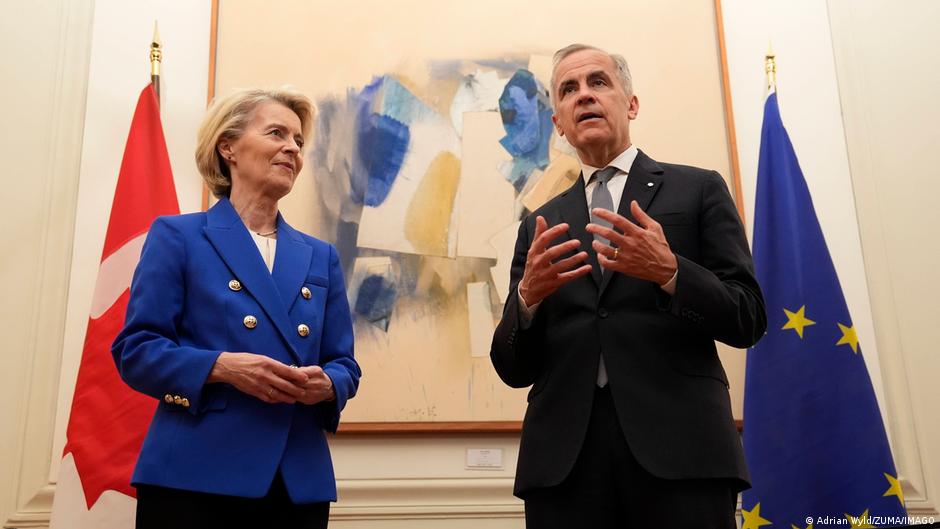
Canada is seeking to join the European Union's €90 billion loan programme for Ukraine, a move that would broaden the Western financing effort and underline Ottawa's attempt to deepen ties with Europe at a moment of strain in its relationship with the United States.
According to the Financial Times, which cited people familiar with the situation, Canadian officials are negotiating participation in the EU-backed loan and aim to agree the size of Canada's contribution before the EU-Canada summit scheduled for late October in Montreal. The talks place Ottawa alongside London as a non-EU partner in one of Europe's central financing mechanisms for Kyiv.
For Britain and European businesses, the development carries significance beyond Ukraine funding. The UK remains, for now, the only country outside the EU to have joined the loan. Canadian participation would therefore make the programme look less like a narrowly European instrument and more like a wider transatlantic platform, with implications for defence procurement, sovereign funding, digital trade and the political risk outlook followed closely in London.
Canada Looks to Europe as Trade Pressure Builds
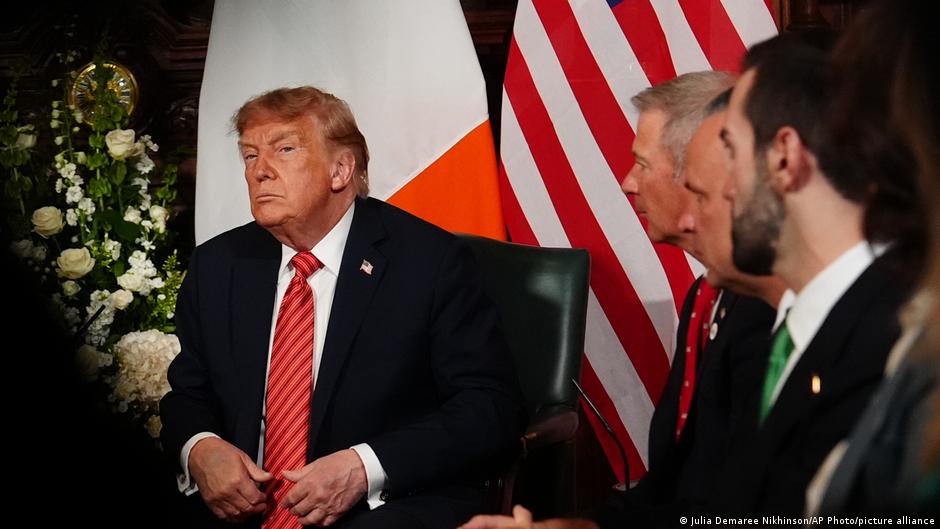
The discussions come as Prime Minister Mark Carney seeks to show Europe that Canada is committed to strengthening transatlantic relationships. The Financial Times reported that Carney wants to reduce Canada's dependence on the United States and build an alliance of liberal powers committed to a multilateral order that, in its account, was disrupted by US President Donald Trump.
That strategic turn is directly relevant to the UK and the EU. Britain has tried to maintain a leading role in Ukraine support after Brexit, while the European Union has been working to secure long-term financial backing for Kyiv. If Canada joins the loan, it would add political weight to a structure in which Britain has already positioned itself as the principal outside partner.
Canada's possible participation would make the EU loan a broader transatlantic instrument rather than a purely European financing channel.
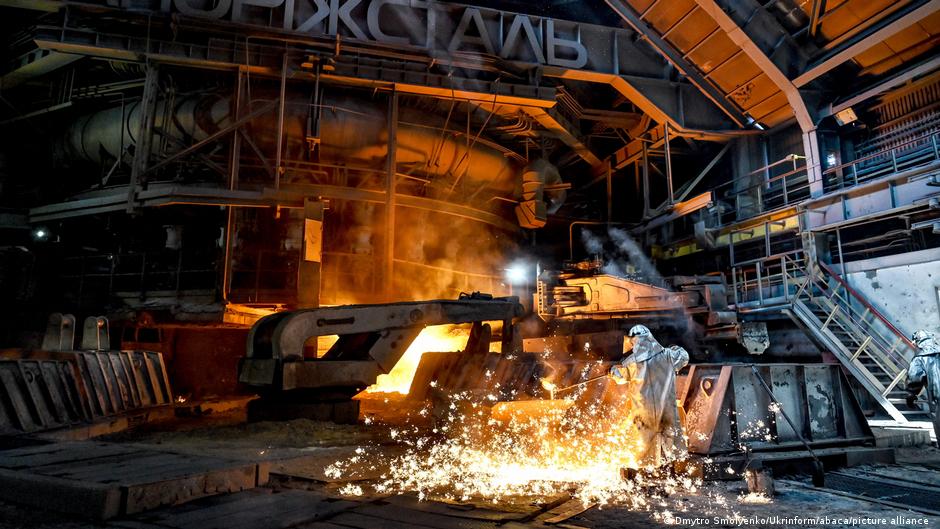
Ottawa has already allocated military assistance to Ukraine worth C$6.5 billion, or about US$4.7 billion. On 10 September, Carney and Ukrainian President Volodymyr Zelensky signed a declaration on a 100-year partnership, which includes cooperation in defence innovation. That agreement gives the loan talks a wider industrial and strategic context, particularly for European defence companies and investors tracking the expansion of Ukraine-related supply chains.
London's interest is likely to centre on whether Canadian participation reinforces the UK's own role in Ukraine financing or dilutes it inside a larger EU-led framework. The British government has already joined the loan as the sole non-EU participant, and any new Canadian commitment would show that Brussels can attract partners beyond the bloc without requiring full EU membership. For the City, that may matter because Ukraine financing is increasingly connected to sovereign risk, defence spending expectations and the future of European security budgets.
Sterling and London Market Focus
The source report did not cite immediate currency or equity market moves, and no contribution figure has yet been agreed. Still, the issue sits within themes that sterling traders and London-listed defence, infrastructure and banking investors follow closely: fiscal commitments by Western governments, European security policy, and the durability of support for Kyiv.
For sterling, the direct effect of Canada's possible participation is not yet quantifiable. The loan is denominated in euros, and the talks concern Canada's potential contribution rather than a new UK commitment. However, London's market reaction will be shaped by whether investors view the development as strengthening European burden-sharing or as raising pressure on Britain to maintain its own financial and military support at comparable levels.
The euro dimension is also important. A €90 billion EU loan programme is a major financing vehicle, and the addition of a G7 partner such as Canada would reinforce the bloc's effort to present Ukraine support as a durable, institutionalised commitment. That may be read in European financial centres as a sign that geopolitical financing is becoming a standing feature of government balance sheets, not a temporary crisis response.
Canada is also seeking other agreements with the European Union as it looks for support in a trade war with the United States, the Financial Times reported. Ottawa hopes, in particular, to join the EU's supercomputer network for joint work on artificial intelligence and to sign a digital trade agreement with Brussels. Those ambitions connect the Ukraine loan talks to a broader economic negotiation covering technology, data, artificial intelligence and transatlantic commerce.
For UK companies, that wider agenda is consequential. A closer EU-Canada digital trade relationship could affect competitive positioning for British technology, cloud, AI and financial services firms operating between Europe and North America. Britain has its own interest in remaining central to transatlantic commercial flows after Brexit, and Canada's engagement with Brussels may sharpen attention in London on whether UK policy is keeping pace.
The timing gives the talks a clear diplomatic deadline. The EU-Canada summit in Montreal at the end of October is expected to provide the setting by which the parties want to settle the scale of Canada's contribution. Until then, the key unknown is the amount Ottawa is prepared to commit.
What is already clear is the direction of travel. Canada is trying to align more closely with Europe on security, technology and trade, while the EU is seeking broader backing for Ukraine. Britain, already inside the loan structure despite being outside the EU, now faces the prospect of sharing that external partner role with another major Western economy.