Saudi Pipeline Shutdown Raises Supply Risk for UK and European Energy Markets
A prolonged halt on Saudi Arabia’s East-West pipeline could cut global oil supplies by 4 percent if repairs are delayed.
A prolonged shutdown of Saudi Arabia’s East-West oil pipeline could remove as much as 4 percent of global oil supply from the market, according to oil-market sources cited by Reuters, raising fresh concern for British and European businesses already exposed to energy-price volatility, shipping disruption and currency pressure.
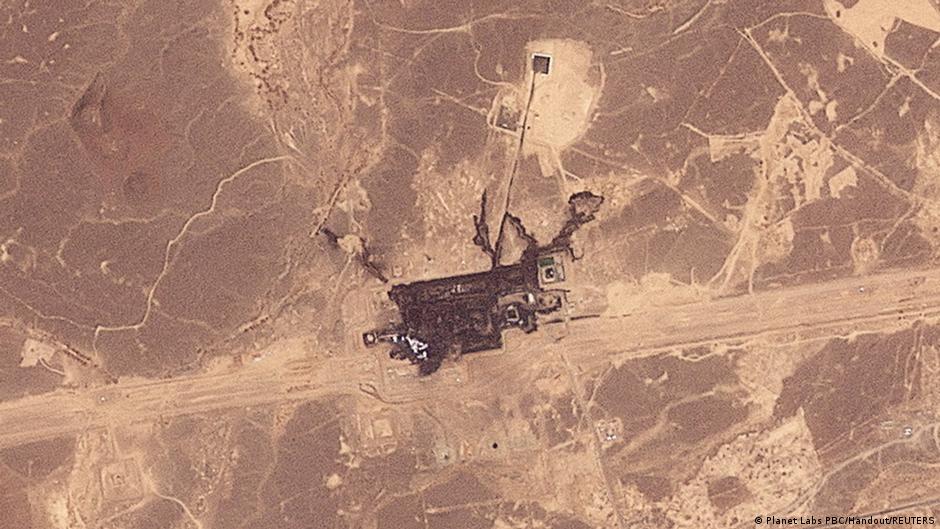
The pipeline, a strategic route connecting Saudi Arabia’s main eastern oil fields with the Red Sea port of Yanbu, was halted after drone attacks attributed in the Russian-language source to Houthi forces. The length of the repair period remains unclear, and Saudi authorities have not provided full details on the extent of the damage or on when crude flows may resume.
For the UK and continental Europe, the risk is not only the physical loss of barrels but the uncertainty around a corridor that has become more important as regional tensions have intensified. The East-West pipeline allows Riyadh to ship millions of barrels per day without relying on the Strait of Hormuz, where traffic has been restricted by Iran. Any prolonged constraint on that alternative route would be watched closely in London, where oil majors, energy traders, airlines, transport groups and currency desks are sensitive to swings in crude prices.
Repair Timeline Remains Unclear
Reuters reported on Sunday, September 13, citing informed oil-market sources, that Saudi Arabia could face a shortage of export-ready crude inventories if the East-West pipeline is not restored in the coming days. Those sources estimated that the disruption could reduce global oil supplies by 4 percent.
The pipeline was stopped on September 11. Saudi Arabia’s energy ministry said at the time that the halt was taken as a “precautionary measure” after drone strikes from Iraqi territory hit the Riyadh and Medina provinces.
Saudi authorities have not provided full information on the scale of the pipeline damage or the expected timing for a restart.
One Reuters source said repairs could take five to six weeks. Another source suggested that the work could be completed more quickly and that pumping could resume even before all repairs are finished. That gap in expectations is likely to keep energy markets cautious until Riyadh gives a clearer operational update.
The 1,200-kilometre East-West pipeline is one of Saudi Arabia’s most important pieces of oil infrastructure. It connects the kingdom’s main producing regions in the east with Yanbu on the Red Sea, creating an export route that avoids the Strait of Hormuz. For European refiners and traders, that matters because the route provides flexibility at a time when regional maritime risks are already affecting supply chains.
Why London and Europe Are Watching
The potential loss of 4 percent of global oil supply would be significant for markets that price not just current barrels but the risk of future shortages. In London, the immediate focus would fall on energy-linked equities, transport and aviation costs, and sterling’s sensitivity to higher import prices. The UK is not insulated from global crude pricing: even when supply contracts are geographically diversified, benchmark moves can feed through to fuel, logistics and inflation expectations.
Across the European Union, the concern is similarly practical. A reduction in Saudi export capacity could tighten competition for available cargoes, particularly if the Red Sea route remains under pressure. European manufacturers, freight operators and airlines have already had to manage elevated uncertainty around shipping lanes and fuel costs. A longer outage would add another variable to business planning.
The pipeline’s role has expanded since the start of Saudi Arabia’s war against Iran. According to the International Energy Agency, Saudi oil exports through the route reached nearly 8 million barrels per day by June. That scale underlines why the current shutdown is being treated as more than a local infrastructure problem.
However, the route had already been under strain before the latest halt. In recent weeks, its capacity was reduced following Houthi attacks on Saudi tankers in the Red Sea. In August, around 2.5 million barrels per day were shipped through Yanbu, the lowest level since 2013, according to the IEA’s latest monthly report.
That decline means the pipeline was already operating below the levels seen earlier in the summer. The latest stoppage therefore comes at a moment when Saudi export logistics were already being tested by security risks in the Red Sea and by the broader confrontation involving Iran.
For investors, the next market signal will be whether Saudi Aramco and the Saudi energy ministry can restore flows quickly enough to prevent a drawdown in export inventories. In April, the East-West pipeline was also attacked, but Saudi Aramco returned it to operation quickly. Markets will now be comparing the present incident with that earlier recovery, while noting that the current reporting gives no confirmed repair timetable.
Until there is more clarity, the risk premium around crude supply is likely to remain a key issue for UK and European market participants. A five- to six-week repair period would imply a materially different outlook from a partial restart within days. That distinction matters for sterling, inflation expectations, airline fuel hedging and the share prices of companies exposed to energy costs.
The central uncertainty remains straightforward: whether Riyadh can restart the East-West pipeline before export stocks become constrained. If it cannot, the disruption could become a broader supply shock at a time when Europe’s businesses and financial markets are already alert to geopolitical pressure on energy flows.