Cuban National Blackout Raises Concerns Over Energy Security and UK-EU Economic Interests
Cuba’s nationwide power outage amid US sanctions impacts regional stability and prompts cautious reactions in London and Brussels.
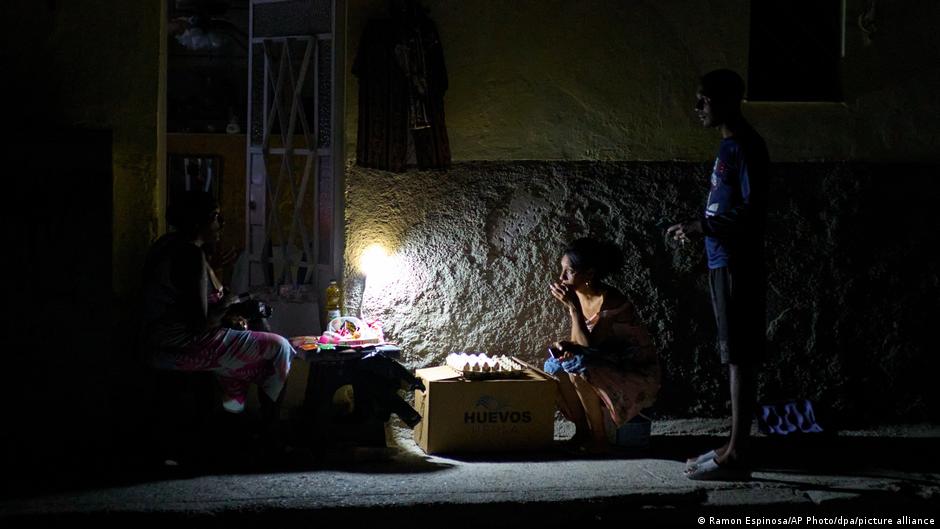
On Monday, July 6, Cuba experienced a complete collapse of its electrical grid, according to the state operator Unión Eléctrica. The blackout has plunged the island nation into darkness once again, highlighting the vulnerability of Cuba’s energy infrastructure amid intensifying US sanctions and geopolitical tensions.
The Cuban government has confirmed that restoration efforts are underway, though the underlying causes of the failure remain under investigation. This latest outage comes against the backdrop of increasing economic and political pressure from the United States, which has tightened its embargo and fuel supply restrictions.
Implications for UK and EU Economic Interests
For British and European businesses with trade links or investment interests in the Caribbean, the blackout underscores the risks associated with Cuba’s fragile energy sector. The UK and EU have historically engaged with Cuba through diplomatic channels and economic cooperation, including energy and infrastructure projects designed to promote regional stability.
The disruption in Cuba’s power supply threatens to stall ongoing initiatives and increase operational costs for firms reliant on stable energy conditions. Moreover, the scarcity of fuel—currently only 40% of Cuba’s energy needs are met domestically—has been exacerbated by the US limiting oil deliveries to the island. Since January 2026, Washington has authorized only a single Russian tanker shipment of 730,000 barrels, which was depleted by May.
London’s financial markets have shown a cautious stance, monitoring the situation closely as energy security concerns ripple through commodity and currency trading. Sterling has experienced minor fluctuations on the news, reflecting investor uncertainty about geopolitical risks in the region affecting global supply chains.
EU policymakers are also attentive to the humanitarian dimension, as prolonged blackouts and energy rationing—sometimes lasting up to 24 hours—impact approximately 10 million Cubans. The European Union has historically advocated for easing restrictions on Cuba to allow for economic reforms and infrastructure modernization, emphasizing dialogue over sanctions.
“The recent blackout reveals the urgent need for resilient energy solutions in Cuba, which has broader implications for regional economic stability and international partnerships,” said an energy analyst familiar with Caribbean markets.
The Cuban government has embarked on significant reforms, including the largest partial privatization in over six decades, proposing nearly 200 market-oriented changes in June 2026. These reforms aim to alleviate the crippling effects of the US embargo and attract foreign investment, thereby encouraging fuel supply diversification and infrastructure modernization.
However, diplomatic negotiations between Cuba and the US remain stalled, with Washington maintaining a hardline stance under the Trump administration, hoping to catalyse a regime change in Havana. This impasse threatens to prolong Cuba’s energy crisis and complicates the prospects for UK and EU businesses seeking stable engagement in the Cuban market.
As the blackout crisis unfolds, London and Brussels face the challenge of balancing strategic interests—supporting Cuba's economic resilience—while navigating the complex geopolitical landscape shaped by US-Cuba relations.