Drone Attacks Intensify on Russian Regions Amid Ongoing Ukraine Conflict, Impacting UK and EU Markets
Recent drone strikes in Russian border areas raise concerns over regional stability and sterling volatility affecting London investors.
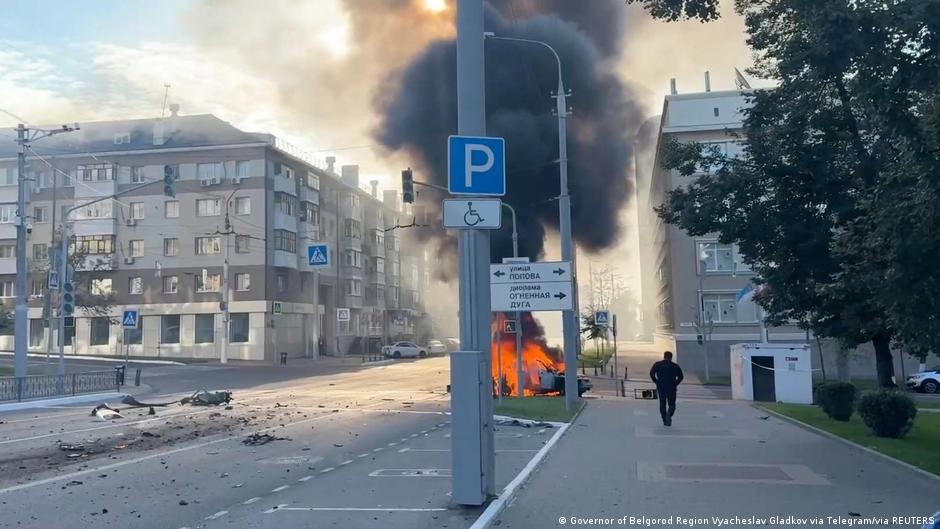
Recent escalations in drone attacks in the Russian regions of Belgorod and Rostov have resulted in civilian casualties and infrastructure damage, underscoring heightened tensions in the ongoing conflict between Russia and Ukraine. These developments are drawing increasing attention from British and European markets due to their potential impact on regional stability and investor confidence.
Drone Strikes and Civilian Impact in Russian Border Regions
On the night of July 27, Belgorod region authorities reported a significant drone assault attributed to Ukrainian forces. According to the regional operational headquarters, twelve civilians, including two children, sustained injuries. The attack caused several apartments and vehicles to catch fire. Valentin Demidov, Mayor of Belgorod, confirmed that communications were temporarily disabled in two apartment buildings, with some residents displaced to temporary accommodation centers due to unsafe living conditions.
"The safety and well-being of our residents remain a priority as we manage the aftermath of these attacks," Mayor Demidov stated.
Similarly, Rostov region officials disclosed casualties from drone strikes on the same night. Governor Yuri Slyusar announced the death of a married couple in Rostov-on-Don, with five others injured. These events mark a continuation of hostilities along Russia's southwestern frontiers, contributing to a volatile security environment.
Reciprocal Attacks and Broader Military Engagement
Russian forces also escalated their military operations, deploying drones and missiles targeting Ukrainian territories. The Ukrainian Air Force reported strikes in multiple oblasts, including Dnipropetrovsk, Sumy, Chernihiv, Zaporizhzhia, Kharkiv, and Kherson. This tit-for-tat exchange signifies the intensifying conflict dynamic on both sides.
Implications for UK and European Business Interests
The intensification of hostilities near European borders is a cause for concern amongst British and EU investors. London’s financial markets, sensitive to geopolitical risk, have displayed increased volatility in sterling and related asset classes. Investors are closely monitoring the conflict's trajectory as it may influence energy supply routes, commodity prices, and broader economic stability within the continent.
Given the UK's strategic interests in regional security and the European Union's proximity to the conflict zone, there is heightened focus on diplomatic efforts and sanctions regimes that could further affect economic relations with Russia. The situation underscores the precarious balance between energy dependencies and political alignments that currently shape UK and European economic policies.
As the conflict evolves, businesses and policymakers in London and Brussels are preparing for scenarios that could disrupt trade flows and financial markets, emphasizing the need for adaptive risk management strategies.