Drone Attacks on Odessa Raise Concerns Over Regional Security and Impact on London Markets
Russian drone strikes in Odessa cause civilian casualties, prompting heightened vigilance in UK and EU business circles.
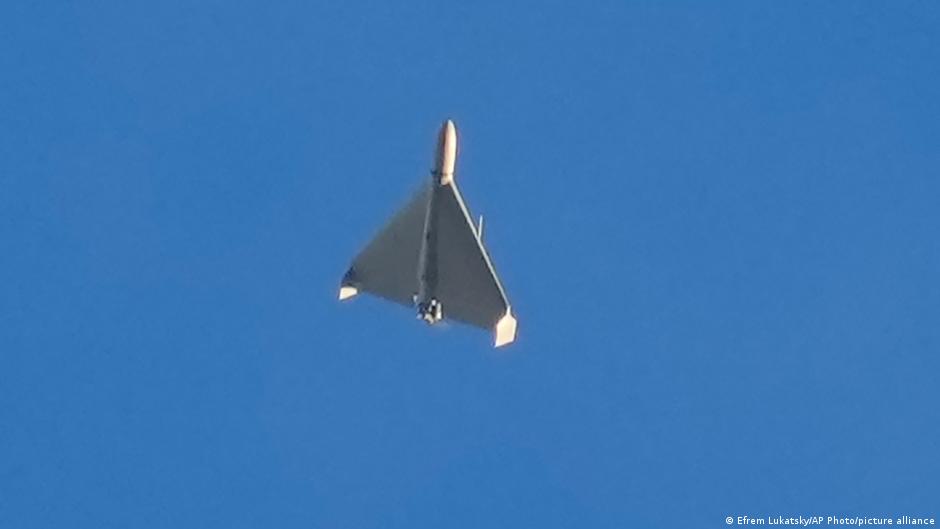
On the night of April 24, Russian forces launched drone attacks on the strategic Ukrainian port city of Odessa, resulting in civilian casualties and damage to residential buildings. The strikes have drawn attention not only due to humanitarian concerns but also because of their broader implications for regional security and economic stability—factors that are closely monitored by British and European business communities.
Impact of the Attacks on Local Infrastructure and Civilians
Authorities in Odessa reported multiple drone strikes targeting residential areas. According to the head of the city military administration, Sergey Lysak, several residential buildings were hit, including two two-story and one three-story structures. Medical responders treated at least three individuals, with one woman hospitalized. The exact number of casualties is still being clarified.
Oleg Kiper, head of the regional military administration, detailed that a drone struck the three-story building, destroying apartments on the second and third floors. Two people—a 72-year-old woman and a 52-year-old man—sustained shrapnel injuries, with the woman requiring hospital care. Other buildings in the vicinity suffered broken windows and vehicle damage.
"Damage to civilian infrastructure, especially in a key port city, raises serious concerns for the stability and economic resilience of the region," noted analysts following the attacks.
Broader Implications for UK and European Business Interests
Odessa’s strategic importance as a Black Sea port underpins much of the agricultural exports from Ukraine, which significantly affect European food supply chains. The recent drone attacks intensify risks to the transport and logistics networks essential for these exports. British businesses with investments in commodity trading and supply chain operations are closely monitoring developments.
The uncertainty generated by escalating hostilities has also exerted pressure on sterling and the London financial markets. Investors are factoring in geopolitical risks, which influence currency volatility and market confidence. Financial analysts anticipate that continued instability in the region could lead to increased market caution among UK and EU investors.
Furthermore, London's status as a key financial hub for energy and commodity markets means that any disruption in Eastern Europe reverberates through trading floors and investment portfolios. The attacks serve as a stark reminder of the interconnectedness of geopolitical events and economic stability.
UK and EU policymakers have reiterated support for Ukraine while expressing concerns about the escalation's potential to destabilize regional trade flows and financial markets. Enhanced vigilance and strategic risk assessments are expected to remain priorities in business sectors linked to Eastern Europe.