US Brokered Israel-Lebanon Ceasefire Extension Signals Stability for UK and EU Markets
US announces three-week extension of Israel-Lebanon ceasefire, with potential positive implications for sterling and European economic ties.
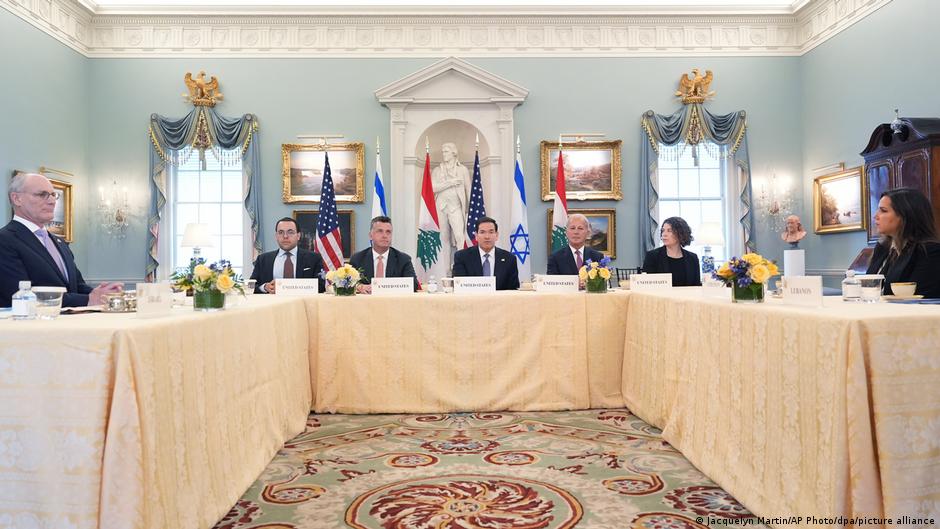
The United States has announced a three-week extension of the ceasefire between Israel and Lebanon, a move that holds significant implications for British and European markets, particularly in terms of regional stability and energy security.
Ceasefire Extension and Diplomatic Engagement
US President Donald Trump disclosed the extension via a social media post on April 23, following high-level meetings that included US Vice President J.D. Vance, Secretary of State Marco Rubio, and the respective US ambassadors to Israel and Lebanon. The talks also involved senior representatives from both Israel and Lebanon.
"The meeting went very well! The United States will work with Lebanon to help it protect itself from Hezbollah," Trump stated, reflecting ongoing US efforts to stabilize the region.
Trump also expressed anticipation of hosting Israeli Prime Minister Benjamin Netanyahu and Lebanese President Joseph Aoun in the near future, highlighting the historic nature of these diplomatic efforts.
Earlier in April, the first direct negotiations between Israel and Lebanon since 1993 took place in Washington, facilitated by the US and involving ambassadors from both countries. The US State Department described this encounter as a "historic milestone," signaling hope for comprehensive peace agreements.
Implications for UK and European Business
The extension of the ceasefire reduces immediate regional tensions, which is critical for the stability of the Eastern Mediterranean — a key area for energy supply routes. Both the UK and the EU have strategic interests in maintaining peace in the region to safeguard energy security and trade flows, particularly given Europe's ongoing energy diversification efforts in light of global supply disruptions.
Financial markets in London reacted cautiously optimistic to the news, with sterling showing modest gains against the US dollar amid hopes that reduced geopolitical risk could strengthen investor confidence. European markets also welcomed the development, viewing it as a step toward stabilizing a volatile region that directly impacts energy prices and supply chains.
Moreover, the prospect of renewed peace talks and potential agreements on Hezbollah's disarmament, as indicated by Israeli leadership, may pave the way for more stable business environments and investment opportunities, which are closely monitored by European and British investors.
In light of these developments, UK companies engaged in Middle Eastern markets and European energy firms are likely to benefit from the diminished risk profile, while policymakers in London and Brussels may use this momentum to further diplomatic initiatives supporting regional stability.