EU Launches First Negotiation Cluster for Ukraine and Moldova’s EU Accession Talks
The EU has initiated formal negotiations on Ukraine and Moldova’s membership, marking a key step with implications for UK-EU economic relations and sterling markets.
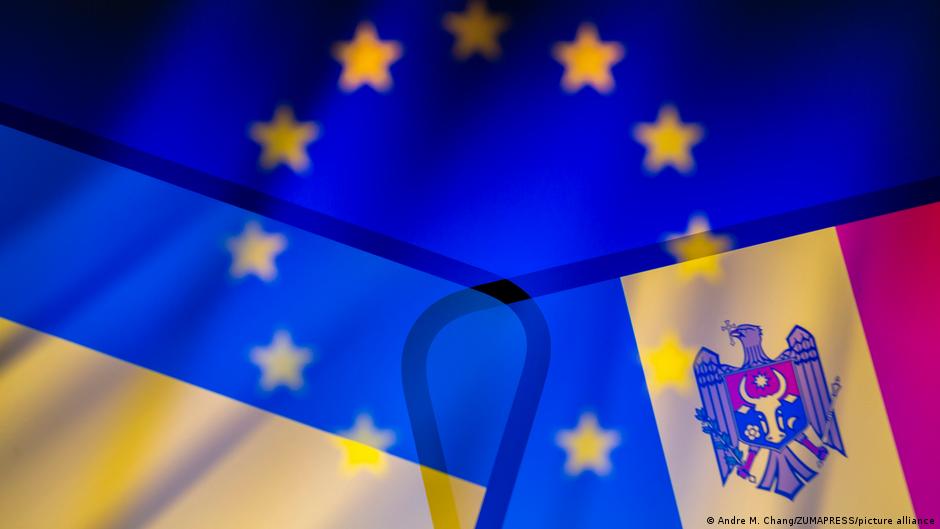
The European Union has officially launched the first negotiation cluster for the accession talks with Ukraine and Moldova, signaling a transition from preparatory discussions to substantive negotiations on the conditions for future membership.
On Monday, June 15, EU foreign ministers convened in Luxembourg to inaugurate the initial negotiation cluster focused on Ukraine and Moldova’s integration into the EU. The Republic of Cyprus, currently holding the EU Council presidency, confirmed the launch.
“We have all been waiting for this day, and today we can finally celebrate,” said Marilena Raouna, Deputy Minister for European Affairs of Cyprus. “The future of Ukraine and its citizens is firmly tied to the European Union.”
Implications for UK and EU Business Ties and Sterling
The commencement of formal accession talks with Ukraine and Moldova represents a pivotal development for the EU’s eastern enlargement strategy. For the UK, which maintains significant trade and investment relationships with both countries, this progression may influence bilateral economic dynamics, especially given London’s role as a global financial center.
Financial markets in London have already begun assessing the potential impact on sterling and related asset classes, as closer EU integration for Ukraine and Moldova could strengthen regional stability and trade flows within the European continent. British businesses with interests in Eastern Europe may see new opportunities as regulatory frameworks align more closely with EU standards.
The negotiation process is structured into six major thematic clusters, each covering distinct sectors of legislation and public policy. The EU’s assessment focuses on the candidate countries’ readiness to adopt and implement EU rules and standards, with the first cluster covering areas where legislative alignment and reforms are critical.
Progressing to this stage underscores a shift from preliminary dialogues toward detailed evaluation of Ukraine and Moldova’s national laws against EU norms. It also necessitates comprehensive reforms within specific sectors, a process that will be closely monitored by EU institutions and member states alike.
For businesses and investors in the UK and Europe, the deepening EU ties with these Eastern European nations could translate into enhanced regional integration, potentially affecting supply chains, regulatory compliance costs, and investment climates.
Overall, the launch of the first negotiation cluster marks a milestone in EU enlargement policy amidst a complex geopolitical landscape. It demonstrates the bloc’s commitment to supporting Ukraine and Moldova’s European aspirations, while also offering potential avenues for the UK to recalibrate its economic engagement with these emerging markets.