North Korean Ballistic Missile Used by Russia in Ukraine Escalates Security Concerns in Europe
Ukraine reports Russia’s first use of North Korean ballistic missile, urging stronger Western support amid rising tensions.
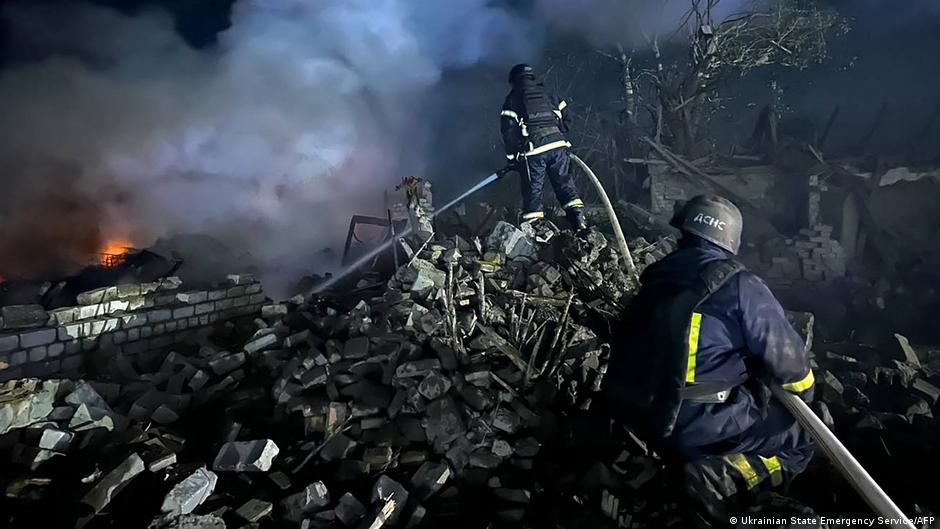
In a significant escalation of the ongoing conflict in Ukraine, President Volodymyr Zelensky has confirmed that Russian forces employed a ballistic missile of North Korean origin during a recent attack near Kryvyi Rih. This marks the first verified use of such weaponry by Russia in the conflict, raising alarm across Europe and the United Kingdom over the potential broadening of military alliances and the implications for regional security.
Impact on UK and European Security Dynamics
The attack, which targeted the village of Radushne in the Dnipropetrovsk region, tragically resulted in the deaths of six members of a large family, including three children aged 6, 11, and 17. Ukrainian authorities have identified the missile used as a North Korean ballistic missile, a claim President Zelensky emphasized while calling for urgent action from Western allies.
"At this moment, the missile is identified as North Korean ballistic weaponry," Zelensky stated, urging allies to move beyond condemnation and provide enhanced anti-aircraft missile systems to Ukraine.
This development not only underlines the deepening military cooperation between Moscow and Pyongyang but also poses new challenges for European and British security policy. The UK and EU have already been heavily involved in supporting Ukraine through sanctions and military aid. The introduction of North Korean ballistic missiles into the conflict zone could exacerbate tensions and destabilize security in the broader European region.
From a financial perspective, London markets have shown heightened sensitivity to geopolitical risks stemming from the war, with sterling experiencing fluctuations as investors factor in the potential for increased instability. The UK government faces rising pressure to reinforce its support to Ukraine, including supplying advanced missile defense systems and coordinating with European partners to intensify diplomatic and economic pressure on Russia.
Strategic Implications of Moscow-Pyongyang Military Cooperation
Earlier in July, President Zelensky disclosed that Russia aims to recruit an additional 30,000 military personnel from North Korea and that Pyongyang is preparing to transfer new ballistic missile launchers to Moscow. This strategic partnership, formalized in 2024 as a "comprehensive strategic partnership," signals a concerning escalation in Russia’s military capabilities supplied through international cooperation.
Ukraine’s leadership warns that Russian assistance is effectively enabling North Korea to enhance its warfighting expertise, creating a dual threat to Asian security and the European theatre. The collaboration complicates the geopolitical landscape, as it may facilitate further missile proliferation and destabilise efforts to contain North Korean missile advancements.
European leaders and British officials are now called upon to carefully monitor developments and calibrate their response to this multifaceted security challenge. Enhanced intelligence sharing, tighter export controls, and increased support to Kyiv’s air defense capabilities are among the measures under consideration to mitigate the emerging threats.
As the war persists, the incident underscores the urgency for the UK and EU to reinforce solidarity with Ukraine not only through humanitarian aid and sanctions but also by strengthening military support to counteract evolving Russian tactics and alliances.
In summary, the confirmed use of a North Korean ballistic missile by Russia in Ukraine represents a disturbing new chapter in the conflict, with significant repercussions for European security, UK interests, and global non-proliferation efforts.