Ukraine Pauses Russian Refinery Strikes as Energy Markets Watch
The reported halt highlights Kyiv’s dependence on Washington as Britain and Europe assess the implications for fuel prices and energy security.
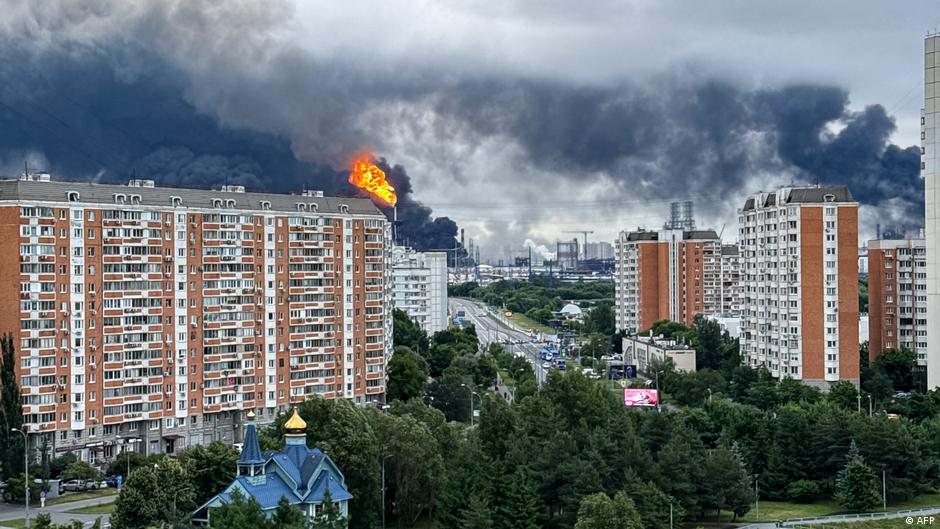
Ukraine has reportedly suspended strikes on Russian oil refineries after weeks of pressure from US President Donald Trump, a move with potential consequences for European energy security, fuel costs and market sentiment in London.
The Wall Street Journal reported, citing unnamed sources, that an informal pause began at the start of last week, when tensions between Kyiv and Washington were at their highest. The halt is expected to remain in place until the US midterm elections on 3 November and could continue for part of November.
Ukraine has made no official announcement that attacks on Russian refineries have stopped. President Volodymyr Zelensky said in Kyiv on 28 October that Ukrainian forces had recently exercised greater caution but had not received an order prohibiting such strikes.
“Our guys have tried to be more careful in recent days. But they have no order” not to strike refineries, Zelensky said, according to the report.
European energy interests come into focus
For Britain and the European Union, any sustained reduction in attacks on Russian refining capacity could affect expectations for diesel supplies and broader petroleum-product markets. London traders will be watching whether the pause eases concern over disruptions to Russian output and transport, while also weighing continued geopolitical risks from the war and the wider conflict involving the United States, Israel and Iran.
The report said Trump had blamed Ukraine’s attacks for high global fuel prices. Energy experts cited by the publication, however, linked those prices primarily to the US-Israeli war against Iran. Republican candidates were said to fear that expensive fuel could damage them in the 3 November elections, prompting Trump to ease sanctions on Russian diesel to reduce pressure on American farmers and other consumers.
Any shift in global fuel prices would also matter for sterling-sensitive British assets. Lower wholesale energy costs can reduce inflation pressure and strengthen expectations of easier conditions for UK consumers and businesses, although the effect on the pound and London-listed energy companies would depend on the scale and duration of any price movement. The source article did not provide a specific sterling move or London market figures.
European governments face a more complicated calculation. A pause might reduce immediate pressure on fuel markets, but it could also preserve a source of Russian refining capacity while Moscow continues attacking Ukraine’s power system, cities and civilian population with missiles and drones.
Washington’s leverage over Kyiv
According to two unnamed US officials cited by the Journal, Jared Kushner, Trump’s son-in-law, joined talks in Oslo by video link on 20 October. The meeting involved US special envoy Steve Witkoff, Zelensky and European delegations.
Kushner reportedly said that he and Witkoff were spending substantial time, energy and jet fuel negotiating with Moscow over conditions for ending the war. He suggested that a 30-day Ukrainian pause in refinery attacks could demonstrate Kyiv’s gratitude.
The following day, Trump called SpaceX chief Elon Musk and asked him to restore Starlink satellite communications service for Ukraine, according to the report. Its sources said the Starlink issue and the refinery-strike pause were not connected.
Nevertheless, Ukraine’s reliance on Starlink, US intelligence and Patriot air-defence interceptor missiles leaves Kyiv exposed to American pressure. That vulnerability has persisted even after Trump, following his return to the White House last year, ended most US military and financial assistance to Ukraine.
Strained rhetoric between Trump and Zelensky, combined with disruptions to Starlink service, reportedly alarmed some of Ukraine’s strongest European supporters. One European official told the Journal that European representatives had also advised Zelensky to refrain from striking Russian refineries until the US elections were over.
Kyiv retains the option to resume attacks
Two unnamed military officials said Ukrainian units responsible for long-range operations were told in mid-October that the refinery campaign was effectively paused once missions already under way had been completed.
One source said Ukrainian Defence Minister Yevhen Khmara told Zelensky that the military had concluded it would be preferable to avoid refinery attacks because of the sensitive diplomatic situation. Zelensky agreed but stressed that Ukrainian forces could resume such strikes if commanders considered them necessary, according to that account.
Kyiv is seeking greater protection for Ukraine’s energy infrastructure in return for restraint, Zelensky was reported as saying. That request is likely to resonate in European capitals, where governments must balance efforts to maintain US engagement with the need to protect Ukraine as Russia intensifies attacks on its energy network.
For UK and EU policymakers, the reported pause offers no simple reduction in risk. It could calm part of the oil-products market in the short term, yet the underlying threats to European supply, inflation and regional security remain tied to decisions in Washington, Moscow and Kyiv.