Stalin-Era Victims Remembered in 101 Cities Across Russia and Europe
The international Return of the Names commemorations continued across Europe as private memorial events re-emerged inside Russia.
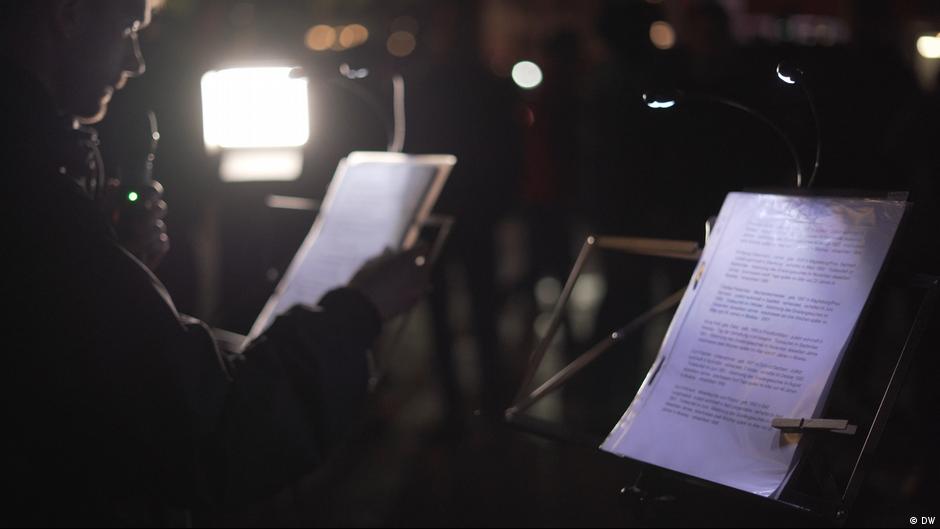
Annual commemorations for victims of Stalin-era repression took place in 101 cities around the world on Thursday, October 29, or earlier, extending a remembrance campaign that has continued internationally despite restrictions and growing pressure on independent historical initiatives inside Russia.
The Return of the Names campaign was held on the eve of Russia’s Day of Remembrance for Victims of Political Repression. Participants traditionally read aloud the names of people executed or persecuted by the Soviet state, with events conducted both in person and remotely and accompanied by an online broadcast.
The campaign’s website listed 101 participating cities this year. Germany accounted for 15 of them, including Berlin, Munich, Hamburg, Cologne, Bonn, Düsseldorf, Bremen and Bielefeld. The geographic spread underscores the prominent role that European communities and civil-society organisations now play in sustaining the initiative.
In Paris, the commemoration was organised by Memorial France and held beside a monument to Parisians killed in the First World War on Boulevard de Ménilmontant, according to RFI.
European capitals sustain remembrance campaign
Return of the Names was first organised by the international Memorial society in 2007. On October 29 of that year, people gathered beside the Solovetsky Stone on Moscow’s Lubyanka Square and read the names of individuals shot or otherwise subjected to repression by the Soviet authorities.
Russia has not authorised the campaign since 2020, initially citing measures intended to combat the coronavirus. Memorial was liquidated in 2021, after which pressure on independent initiatives dedicated to preserving historical memory intensified, RFI reported.
“However, the campaign did not disappear: it continued in other countries, while people in Russia still find ways to honour those who died,” RFI said.
The participation of numerous German cities and the gathering in Paris place continental Europe at the centre of this year’s international programme. The source material did not identify a UK event, involvement by British institutions or any direct response from the British government.
Nor did it report any movement in sterling, reaction among London-listed companies or broader response in European financial markets. The commemorations are primarily a human-rights and historical-memory event rather than a development with an identified immediate effect on currencies, equities or trade. Their European significance instead lies in the continuing activity of civic organisations and diaspora communities at a time when independent remembrance work faces restrictions in Russia.
Private events return inside Russia
Independent commemorations were also reported within Russia for the first time since Memorial was banned. Investigative online publication The Insider said privately organised events honouring victims of repression took place in the Irkutsk region, Kirov and Veliky Novgorod.
Similar events were scheduled for October 30 in St Petersburg, Kopeysk in the Chelyabinsk region and Tolyatti in the Samara region, according to the publication. These local gatherings indicate that participants continue to seek alternative ways to commemorate victims even without approval for the established public campaign.
In Moscow, diplomats from Sweden, the Czech Republic, the Netherlands, Poland and other countries visited the Solovetsky Stone on Lubyanka Square. RusNews reported that nobody from the United States embassy attended this year.
The presence of diplomats from Sweden and several EU member states gave the Moscow commemoration a visible European dimension. It also highlighted continued engagement by European representatives with remembrance initiatives in Russia, although the reports cited no new diplomatic measures, commercial policy changes or sanctions connected with the event.
The campaign has expanded beyond its original Moscow gathering through local ceremonies, remote readings and online transmissions. Organisers said Return of the Names was held in 150 cities in 2025, compared with the 101 cities listed for this year’s programme.
Despite the smaller city count reported this year, the commemorations remained geographically broad. Events across Germany and France, diplomatic participation in Moscow and the emergence of private gatherings in several Russian regions showed that the reading of victims’ names continues both within Russia and abroad, nearly two decades after the campaign began.