G7 Nations Pledge New Sanctions on Russian Energy and Enhanced Military Aid to Ukraine
Following the Evian summit, G7 leaders commit to tougher sanctions on Russia’s gas and oil sectors and increased weapons support for Ukraine.
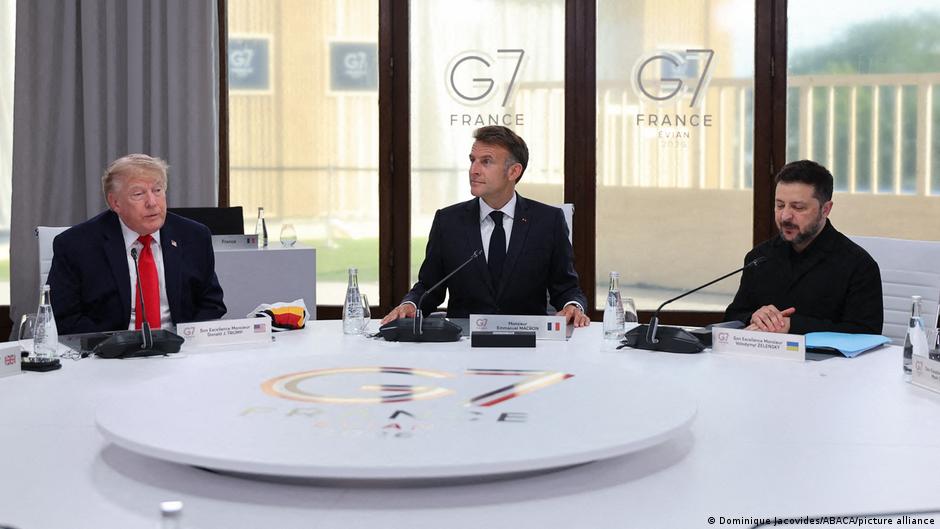
The Group of Seven (G7) nations held a pivotal summit in Evian-les-Bains, France, culminating in a firm commitment to intensify sanctions against Russia, particularly targeting its oil and gas industries. This development carries significant implications for UK and European markets, especially London’s financial and energy sectors.
Strengthening Sanctions Amid New Geopolitical Dynamics
In the final communiqué released late on June 17, G7 leaders—including the United Kingdom, Germany, France, Italy, Japan, the United States, and Canada—announced plans to reinforce economic pressures on Russia’s military-industrial complex. The statement emphasized the timeliness of these measures, citing recent geopolitical shifts such as the reopening of the Strait of Hormuz following an agreement brokered by former US President Donald Trump with Iran. This development is critical because the Strait is a major transit route for oil and gas exports, affecting global energy supply chains.
“We commit to increasing pressure on Russia’s military economy, including enhanced sanctions on the oil and gas sector,” the declaration stated.
The renewed sanctions signal a strategic effort by the G7 to curtail Russia’s revenues derived from energy exports, a move that could reverberate through European energy markets. For the UK, which has been diversifying its energy sources and strengthening ties with European partners, the sanctions present both challenges in energy supply stability and opportunities for firms engaged in alternative energy and defense sectors.
Supporting Ukraine: Military Aid and Energy Security
Beyond sanctions, the G7 pledged to bolster Ukraine’s defense capabilities, including supplying advanced air defence systems, interceptors, and long-range weaponry. Importantly, the group also committed to exploring ways to expand Ukraine’s domestic military production through licensing agreements, a move that could increase Ukraine’s self-sufficiency and reduce reliance on external arms imports.
The leaders underscored their united support for Ukraine’s sovereignty and territorial integrity, highlighting ongoing resilience despite infrastructure and cultural heritage attacks. The statement noted a "new dynamic" on the battlefield, suggesting recent tactical gains and increased Ukrainian resistance against Russian advances.
Energy support was another key focus, with the G7 agreeing to assist Ukraine in managing the forthcoming winter energy demands. This includes ensuring continued access to energy resources and investment in infrastructure, which is crucial for Ukraine’s stability and by extension, European energy security.
Implications for London and European Markets
The UK’s role in the G7 and its financial hub in London will be central to implementing and managing these sanctions and support mechanisms. British financial institutions may see an increased mandate to enforce sanctions protocols, while the defense and energy sectors could witness heightened government and private sector activity.
Moreover, the impact on oil and gas markets could contribute to volatility in sterling exchange rates and commodity-linked assets. The UK government’s commitment to the collective G7 stance reinforces London’s position as a key player in coordinating Western strategic economic responses.
Overall, the Evian summit outcomes reinforce the G7’s unified approach to countering Russian aggression while supporting Ukraine, with direct consequences for UK and European economic landscapes.