German CDU/CSU Leader Calls for Transfer of Ukrainian Drone Technology to Strengthen EU Defense
Bavarian CSU faction head urges a UK-Germany-style agreement for Ukraine to share advanced UAV tech amid ongoing conflict.
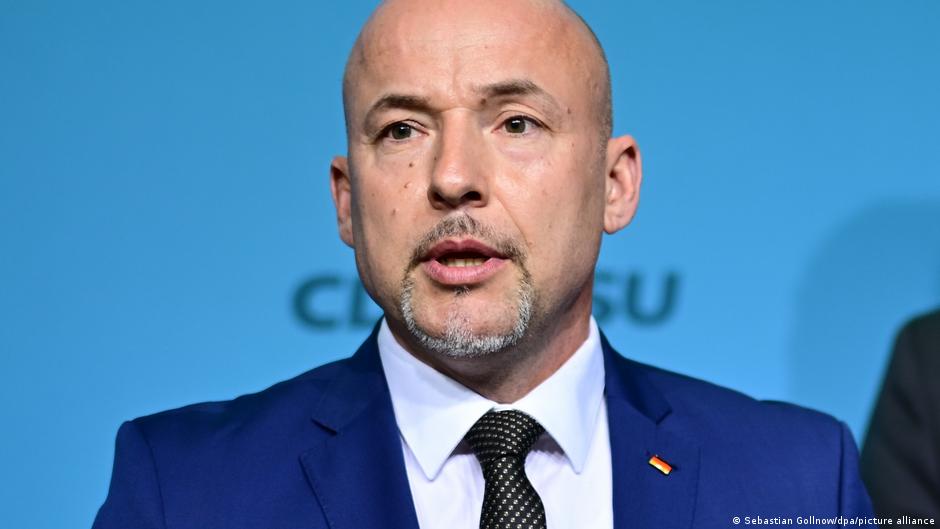
Alexander Hoffmann, chairman of the Bavarian Christian Social Union (CSU) parliamentary group in the German Bundestag, has proposed that Ukraine transfer its cutting-edge combat drone technologies to Germany. This call comes amid ongoing efforts to bolster European defense capabilities and maintain strategic advantages in unmanned aerial vehicle (UAV) technology.
Strengthening German and European Defense Through Ukrainian Innovation
In an interview published by a major German newspaper on July 25, Hoffmann emphasized the necessity of a bilateral government agreement between Germany and Ukraine to facilitate the handover of newly developed Ukrainian UAV technologies to the Bundeswehr (German armed forces). The CSU forms part of Germany's ruling conservative bloc alongside the Christian Democratic Union (CDU), which, together with the Social Democratic Party, currently leads the federal government.
"We want to make sure Ukraine shares this expertise with us so that we can become stronger together," Hoffmann said.
Hoffmann stressed that while Berlin remains committed to supporting Kyiv unconditionally, it is also crucial that Ukraine provide tangible returns for this assistance. He highlighted Ukraine's remarkable advancements in drone technology, including combat drones, drone defense systems, and cruise missiles, positioning the country as a significant innovator in this sphere.
By integrating Ukrainian technology, Germany aims to enhance its own defense and deterrence capabilities amid evolving security challenges in Europe. Hoffmann warned that rapid scaling of drone production could be necessary in the near future, underscoring the strategic value of such cooperation.
Implications for the UK and European Markets
The proposal has potential ramifications beyond Germany, especially for the UK and the wider European business landscape, as enhanced German drone capabilities could shift defense procurement and technology development dynamics within the EU. London financial markets and British defense firms may closely monitor these developments, given the increasing role of unmanned systems in modern warfare and the ongoing UK-EU cooperation in defense.
The UK's interests could align with efforts to deepen collaboration on drone technologies, given shared security concerns and the intertwined nature of defense industries across Europe. Moreover, any technological transfer and production scaling in Germany could influence sterling valuations and investment flows related to defense sectors.
Overall, Hoffmann’s call reflects a broader trend of leveraging Ukraine's battlefield innovations to strengthen European military-industrial capabilities while reinforcing transnational partnerships amidst geopolitical tensions.