US Lifts 50% Tariffs on Select Canadian Goods in Trade Reset
The tariff reshuffle offers selective relief for North American suppliers while creating fresh uncertainty for British and European businesses.
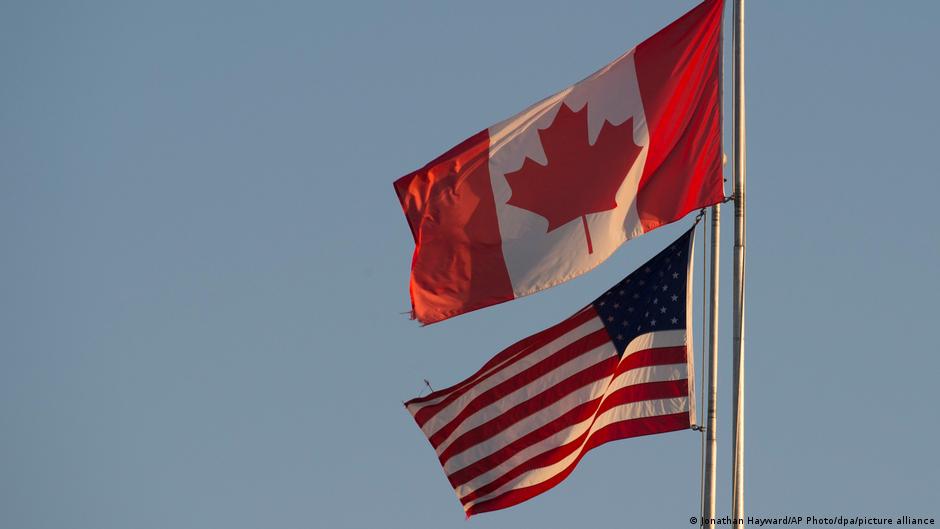
US President Donald Trump has signed an order removing 50% customs duties from a range of Canadian goods from 30 October, while imposing tariffs on other product categories in a recalibration of Washington’s trade measures against its northern neighbour.
The decision, signed on Friday, 23 October, lifts the elevated duties from products including plywood, certain paper goods, machinery used by the pulp and paper industry, packing cases, cardboard boxes, and fresh and dried seaweed.
At the same time, the White House added a disparate group of Canadian products to the list of goods subject to tariffs. The newly affected categories include carpets, paints, shampoos, cocoa powder, wooden coffins, ice-cream sticks, air conditioners, freezers, archery equipment and canoes.
The combination of tariff relief and fresh levies stops short of a broad settlement between Washington and Ottawa. Instead, it shifts the commercial pressure between sectors, giving some manufacturers and importers greater certainty while exposing others to higher costs.
British and European businesses assess supply-chain effects
For companies in Britain and the European Union, the immediate significance lies in the potential effects on North American supply chains and competitive conditions. European producers selling machinery, packaging materials, paper products or consumer goods into the United States may face a changed pricing environment as Canadian rivals gain relief in some categories and encounter new barriers in others.
The removal of the 50% duties could improve the position of Canadian plywood, paper and packaging suppliers serving US customers. That may influence procurement decisions by multinational companies with operations spanning Europe and North America, particularly where Canadian materials compete with British or EU exports.
Conversely, the addition of tariffs on Canadian carpets, paints, personal-care products, cocoa powder and cooling appliances could create openings for alternative suppliers. British and European exporters may find that their relative competitiveness improves in selected US market segments, although the benefit would depend on the duties they already face and on transport, regulatory and currency costs.
The measures also matter to European industrial groups that use Canada as part of an integrated regional production network. Machinery, packaging, refrigeration products and processed materials frequently move through several stages before reaching the end customer, meaning a tariff aimed at a Canadian product can affect investment and sourcing decisions beyond Canada itself.
Sterling and London investors face policy uncertainty
For sterling and London-listed companies, the announcement is primarily a trade-policy signal rather than a clear one-way market catalyst. The pound’s exposure would be indirect, through changes in risk appetite, expectations for global growth and the earnings outlook for British companies with substantial North American operations.
Investors in London are likely to distinguish between companies that could benefit from reduced duties on Canadian inputs and those competing directly with newly advantaged Canadian suppliers. Packaging groups, paper businesses, industrial-equipment makers, consumer-products companies and manufacturers of cooling appliances are among the sectors with potential exposure to the tariff reshuffle.
The order does not provide enough information to establish a definitive earnings effect for individual British or European companies. Its broader importance is that Washington continues to use tariffs on a product-by-product basis, complicating planning for international businesses and leaving exchange-rate and equity-market implications dependent on subsequent measures.
Ottawa reviews Washington’s decision
Canadian Intergovernmental Affairs Minister Dominic LeBlanc, who is also responsible for trade with the United States, said Ottawa was assessing the US action.
Ottawa is ready to work constructively and in good faith toward a more mutually beneficial trading relationship that takes Canada’s interests into account, LeBlanc said.
The dispute over the US-Canada trade arrangement, including reciprocal tariffs of 50%, has become one of the signs of deteriorating relations between Washington and Ottawa since Trump returned to the presidency. Trump has also repeatedly spoken about the possibility of incorporating Canada into the United States as its 51st state.
At the end of September, the United States suspended imports of several Canadian product categories for an indefinite period. The affected goods included alcoholic beverages, beer, sparkling wine and whey, some dairy products, and motorcycles.
Washington took that step after Ottawa decided to respond in kind to higher US customs duties introduced in August. The latest order therefore eases only part of a wider trade confrontation and simultaneously extends tariff exposure to a new set of Canadian industries.
For UK and EU businesses, the central question is whether the selective changes develop into a more stable trade framework or precede further revisions. Until that becomes clearer, companies with transatlantic operations may need to keep reassessing sourcing, pricing and investment plans, while London markets and sterling remain more sensitive to the cumulative direction of US trade policy than to this limited adjustment alone.