Germany Approves Arms Exports to Israel Amid Middle East Conflict Impacting UK and EU Markets
Berlin has authorized millions in arms exports to Israel during ongoing hostilities, raising concerns in European business circles and affecting London’s market sentiment.
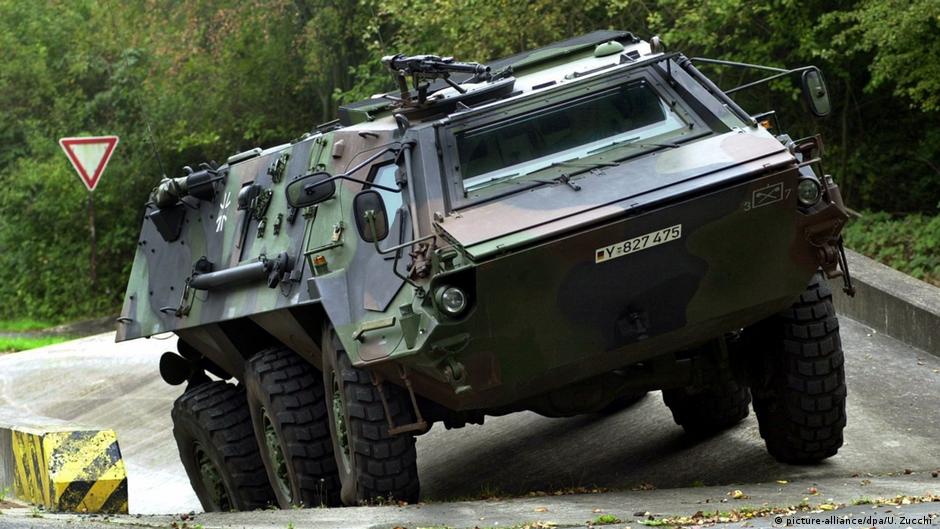
Despite the escalating conflict involving Israel and Iran, Germany has continued to approve arms exports to Israel, totaling millions of euros in recent weeks. This development has drawn attention across European and British business communities for its potential ramifications on regional stability, sterling, and financial markets, particularly in London.
German Arms Exports Amid Conflict
The German government approved arms deliveries to Israel worth €6.6 million between February 28 and March 27, shortly after the commencement of hostilities involving Israeli and US forces against Iran. These approvals came despite longstanding German export rules established in 2000 that generally prohibit arms sales to conflict zones.
However, exceptions exist within these regulations, notably for supporting Ukraine in its defense against Russia and for Israel, which is treated as a special case. Following Hamas’ terrorist attack on Israel on October 7, 2023, Germany initially escalated arms shipments as a demonstration of solidarity. At the time, the federal government under Chancellor Olaf Scholz authorized export licenses nearing €500 million.
Recently, under Chancellor Friedrich Merz, a partial embargo on arms exports to Israel was introduced in August 2025, aimed at preventing weapons from fueling the Gaza conflict. Merz emphasized that solidarity does not imply unconditional support for every Israeli government action, especially military aid. This partial embargo frustrated both Israeli officials and Merz’s Christian Democratic Union allies.
After three and a half months, the restrictions were lifted following a ceasefire agreement between Israel and Hamas. Yet, even during the embargo, arms export licenses worth €10.44 million were issued, indicating ongoing German involvement in arms trade with Israel.
“The interests of the military-industrial complex never serve peace — they fuel wars that claim countless lives and undermine economic well-being,” stated Ulrich Thoden, a Left Party member of the German parliament.
Implications for UK and European Markets
The continuation of German arms exports to Israel amid volatile Middle Eastern hostilities carries significant implications for British and European businesses. London’s financial markets have shown sensitivity to geopolitical tensions, with sterling experiencing fluctuations linked to risk perceptions and investor confidence.
European companies with defense and technology ties face uncertainties related to supply chain risks and regulatory scrutiny. Moreover, the political debate surrounding arms exports influences investor sentiment, with ethical considerations increasingly shaping portfolio decisions in the City of London.
Germany’s balancing act between supporting allies and adhering to export controls underscores the complexities European governments face in managing geopolitical crises. For the UK, maintaining a measured approach to arms trade and diplomatic relations will be key to safeguarding economic interests and market stability.
As tensions in the Middle East continue, the interplay between defense exports, political decisions in Berlin, and market reactions in London remains a critical area for business stakeholders across the UK and Europe to monitor closely.