US Senate Rejects Resolution to End War with Iran, Raising Concerns for UK and EU Markets
US Senate declines to restrict presidential war powers against Iran, affecting international business and London financial markets.
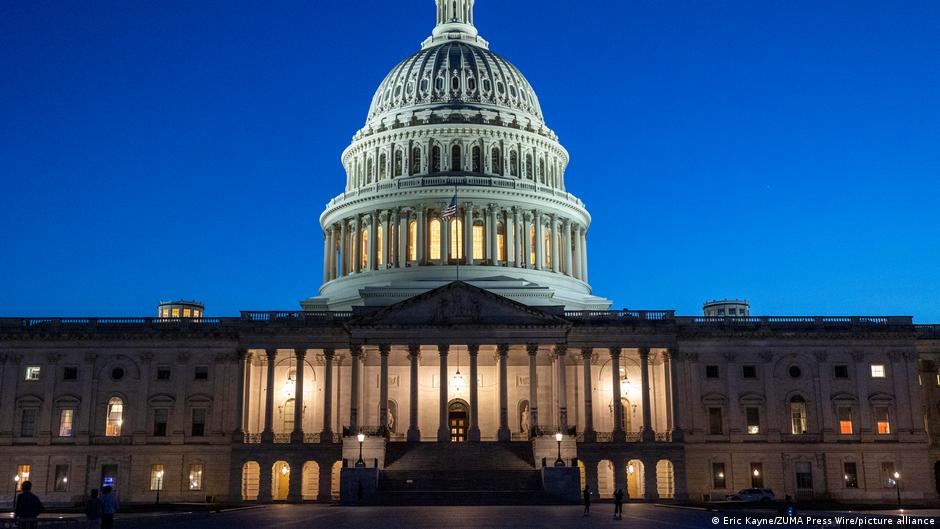
On April 15, the US Senate voted against a resolution that sought to compel the Trump administration to cease military operations against Iran and withdraw American troops from the conflict zone unless Congress formally approved further use of force. The measure, pushed by Democratic lawmakers, was rejected by a 52-47 vote, reflecting the Republican majority's influence in the chamber.
Implications for UK and European Business Interests
This decision not only highlights continued tensions in US-Iran relations but also reverberates strongly across British and European economic landscapes. With London being a major global financial centre, uncertainty surrounding Middle East conflicts can sway sterling valuations and investor confidence. The extended military engagement risk heightening geopolitical instability that European businesses closely monitor, especially those with trade and energy ties to the region.
The ongoing conflict raises concerns about global oil supply disruptions, which directly impact European energy markets and inflation rates. Sterling and other European currencies often react to US foreign policy shifts, given the UK's integrated financial markets and significant exposure to global geopolitical risk.
Democrats in the Senate insist that the war with Iran is unlawful and have vowed to continue pushing resolutions to end the hostilities. This marks the fourth time since early 2026 that the Senate has declined to impose congressional limits on the president's war powers, underlining deep partisan divides over military authority.
"The Senate's refusal to assert its constitutional role in war decisions extends the uncertainty that businesses and markets dread," analysts note.
The 1973 War Powers Act mandates that Congress must declare war or authorize the use of military force within 60 days of armed conflict commencement. This deadline approaches at the end of April, with a possible 30-day extension allowed. However, the reluctance to act signals congressional deference to executive power in this arena.
UK and European market watchers will be closely observing how the Trump administration responds, particularly in terms of diplomatic efforts or potential escalation. A clear plan from Washington on de-escalation could stabilize markets, while continued military action without congressional backing might increase volatility.
Overall, the Senate's decision adds another layer of complexity to the transatlantic relationship and its economic ties, highlighting how US domestic politics can have far-reaching consequences for European business environments and currency markets.