Moscow’s May 9 Victory Day Parade to Exclude Military Vehicles Amid Security Concerns
Russia cancels military vehicles in Moscow’s Victory Day parade, raising questions for UK-EU interests and London markets.
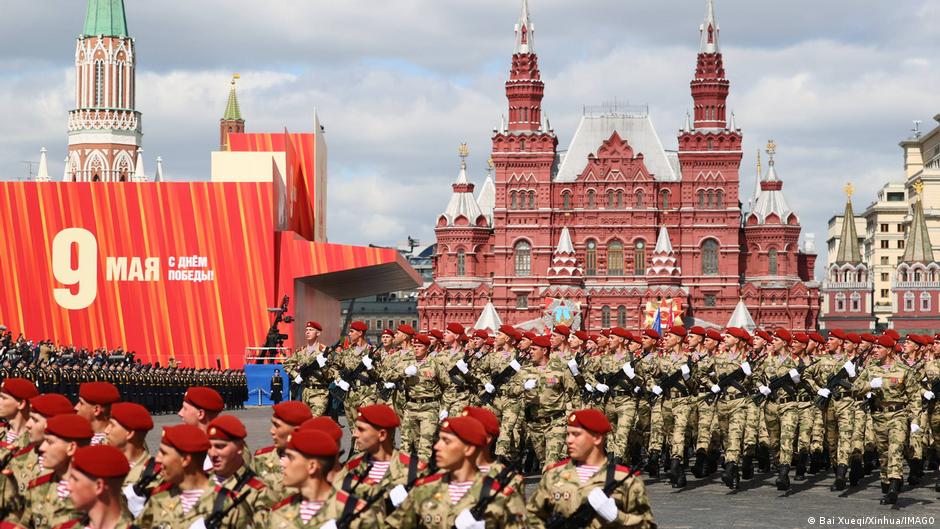
For the first time in years, Moscow’s traditional Victory Day parade on May 9, 2026, will proceed without the inclusion of military vehicles. The Russian Ministry of Defence cited the "current operational situation" as the reason for the change, signaling a significant shift in the annual event that typically underscores Russia’s military strength.
On April 28, the Ministry announced that while military vehicles will be absent from Red Square, combat aircraft will still participate. This decision follows reports from political analysts and journalists who anticipated a "scaled-down" parade format due to heightened security concerns and the absence of rehearsals involving military hardware.
Regional Cancellations and Security Implications
Beyond Moscow, several Russian regions have canceled mass Victory Day events. Cities including Nizhny Novgorod, Saratov, Chuvashia, and Kaluga Oblast will not hold their parades, and traditional celebratory fireworks have been called off in Voronezh, Kursk, Bryansk, and Belgorod regions. Local authorities have uniformly cited safety considerations for these cancellations.
“The absence of military vehicles and widespread cancellations reflect escalating security concerns amid ongoing conflict conditions,” experts note.
Recent months have seen Ukraine target Russian infrastructure, including Baltic Sea ports vital for oil exports and an oil refinery in Tuapse, escalating security risks around the country.
Implications for UK-EU Business and the London Financial Market
The move to limit military displays during Victory Day celebrations comes amid ongoing geopolitical tensions affecting European energy markets and global commodity flows. The Baltic ports under threat serve as key export routes for Russian oil, impacting supply chains and prices relevant to UK and EU markets.
London, as a global financial centre closely monitoring geopolitical risks, may interpret the parade’s scaled-back format as indicative of mounting internal pressures in Russia. Sterling and London-based investors tracking energy stocks and commodities will likely remain cautious as the conflict influences oil supply stability.
Moreover, the diminished display of military hardware could signal shifts in Russia’s domestic messaging and military posture, factors that European policymakers and business leaders observe for indications of future conflict trajectories and sanctions impacts.
Historically, the Victory Day parade has been a showcase of Russian military might, with over 200 units of military equipment featured in the 2025 event marking the 80th anniversary of the end of World War II. That year’s parade also hosted international leaders from China, North Korea, and other select countries, with limited representation from EU and NATO states.
The absence of military vehicles this year is a notable deviation from the tradition established since 2008 and reflects the evolving security landscape that has direct consequences for European energy interests and financial markets.


