Russian Drone and Missile Strikes on Ukraine Drop in June, Prompting Cautious Market Watch in London
Russian strikes on Ukraine decreased by up to 29% in June compared to May, raising questions about military supply strains and implications for European security.
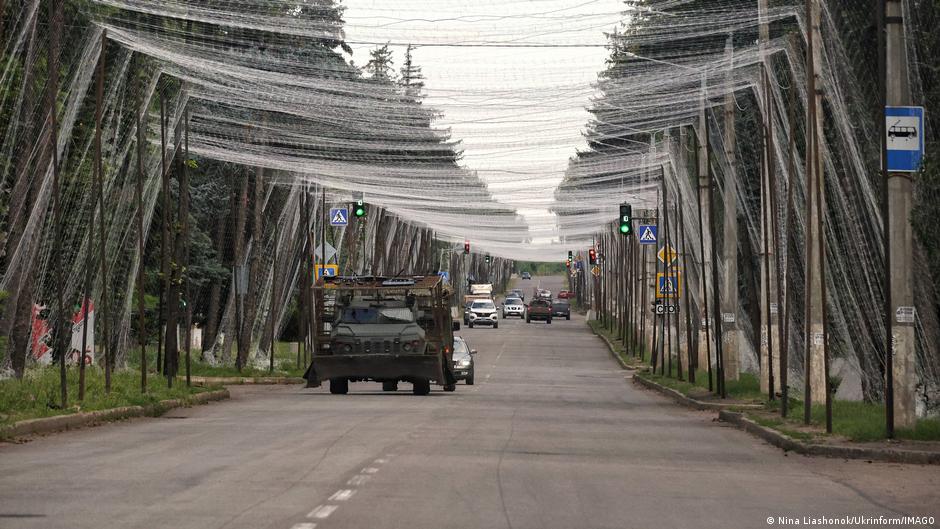
New data analysis reveals a significant decrease in Russian drone and missile strikes against Ukraine during June 2023, a development closely observed by UK and European markets for its potential impact on regional stability and economic confidence.
Decline in Strikes Highlights Possible Strains in Russian Military Logistics
According to figures derived from Ukrainian Air Force data and reported by AFP, Russia conducted approximately 5,749 drone attacks and launched 180 missiles against Ukraine in June. This marks a 29% reduction in drone strikes and a 15% reduction in missile attacks compared to May, when Russia executed a record high of 8,150 drone assaults and 211 missile launches.
Experts from Ukraine and France consulted by AFP caution against interpreting this decline as a definitive new trend. Instead, the reduction may reflect a strategic pause or logistical challenges, including possible depletion in Russia’s military-industrial capacity or disruptions in drone supplies, notably the Iranian-made Shahed drones amid recent geopolitical tensions involving the US and Israel.
“The current dip in strike numbers could be temporary, with preparations underway for renewed offensives later in the year,” noted one defense analyst.
Amid these dynamics, Ukraine has reportedly intensified its retaliatory strikes on Russian infrastructure, focusing on oil refineries, fuel depots, and ports. This campaign has contributed to a significant fuel shortage within Russia, further complicating Moscow’s operational capabilities.
Ukrainian forces have also targeted defense industry facilities, striking assets such as the Voronezh semiconductor plant, which produces electronics used in Russia’s Iskander missile systems. These developments underscore the evolving nature of the conflict and its ramifications for industrial sectors critical to military hardware production.
Implications for UK and European Markets
The reduction in Russian offensive operations, while cautiously welcomed, has been met with measured optimism in London’s financial and commodities markets. Investors remain vigilant, as a sustained diminution in hostilities could ease energy supply disruptions and reduce geopolitical risk premiums affecting sterling and European currencies.
However, uncertainties persist given the potential for renewed escalations in the autumn and the unpredictable trajectory of Russian military strategy. British businesses with interests in the energy sector and defense industries closely monitor these developments, aware that shifts in the conflict’s intensity could influence supply chains and market stability.
Furthermore, the impact on European energy security is particularly critical. The Ukrainian counterattacks targeting Russian fuel infrastructure may exacerbate energy shortages in Russia, potentially affecting gas supplies to Europe amid existing tensions. London-based traders and policymakers are thus watching for how these military dynamics translate into energy market volatility.
In summary, while June’s decline in Russian strikes offers a tentative sign of changing conditions on the battlefield, UK and EU stakeholders remain cautious. The evolving conflict continues to bear significant implications for regional security, economic resilience, and market sentiment.