US Extends Sanctions Waiver for Serbia’s NIS Amid Gazprom Share Sale Delay
Temporary US license allows Serbia's NIS to operate despite sanctions linked to Gazprom stake, as London market watches EU energy shifts.
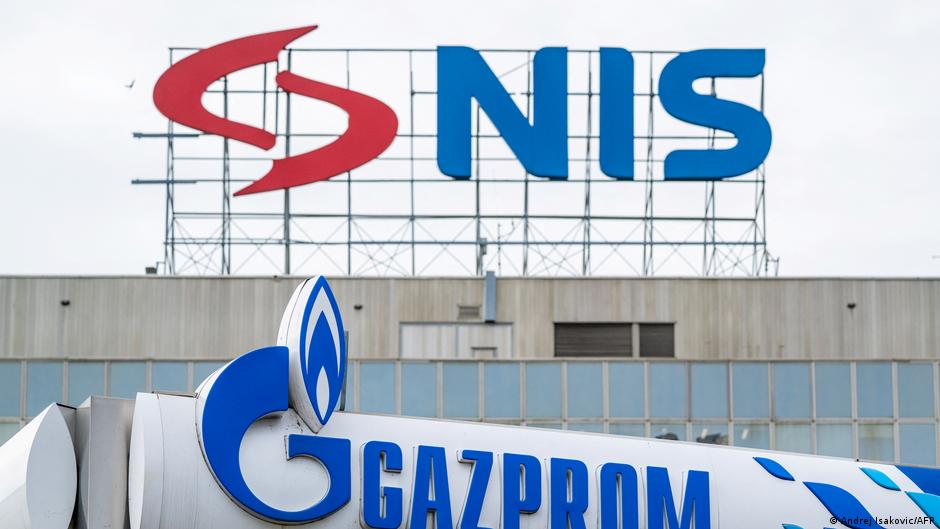
The United States has granted a 30-day extension of the temporary license enabling Serbia's state-influenced oil company Naftna Industrija Srbije (NIS) to continue operations under existing American sanctions. This latest extension, announced on June 30, 2026, reflects ongoing delays in the mandated sale of Gazprom's stake in the company.
The US sanctions, which took effect in October 2025, were imposed after NIS was added to the sanction list due to Gazprom's 56% combined ownership via Gazprom Neft and its investment arm. Washington demands the sale of these shares, citing geopolitical concerns and energy security implications for Europe.
Impact on European Energy and Market Reactions
Serbia’s Ministry of Energy confirmed that the NIS refinery in Pančevo continues processing crude oil, a critical operational point given Serbia’s dependency on NIS for fuel supplies. NIS meets approximately 80% of Serbia's petrol and diesel needs, and over 90% of its jet fuel and heavy fuel oil consumption.
“The continued operation of the Pančevo refinery is essential for Serbia’s energy stability, particularly as sanctions-related disruptions persist,” said a Serbian energy official.
The sanctions have already disrupted oil flows via the Adriatic Pipeline (JANAF) through Croatia, complicating regional supply chains. This interruption has European energy markets, including London’s trading hubs, closely monitoring the developments due to their potential impact on fuel prices and supply security across the continent.
In a significant move, Hungary’s leading oil and gas company MOL signed an agreement to acquire Gazprom's stake in NIS on January 19, 2026. The US Office of Foreign Assets Control (OFAC) initially set a May 22 deadline for completing this transaction but has since extended the deadline multiple times, allowing MOL and associated parties additional time to navigate the complex regulatory and political landscape.
The extension creates a window for the deal to proceed without immediate operational disruption, which has been welcomed by European energy stakeholders concerned about the stability and integration of Serbia’s fuel supply into the wider EU market.
For the UK and European businesses, the ongoing saga underscores the delicate balance between enforcing sanctions and maintaining energy security amid geopolitical tensions. Sterling and London-based energy markets have reacted cautiously, factoring in the prolonged uncertainty around NIS's ownership and operational continuity.
As the sanction deadline looms, industry observers expect further negotiations and possible EU coordination to manage the potential fallout. The resolution of the Gazprom stake sale will be a critical milestone for European energy markets, impacting regional supply chains and pricing dynamics.