EU Cuts Duty-Free Steel Import Quota by Nearly Half, Impacting UK and London Markets
The EU reduces duty-free steel imports by 47%, imposing a 50% tariff on excess imports, affecting British and European steel industries and market dynamics.
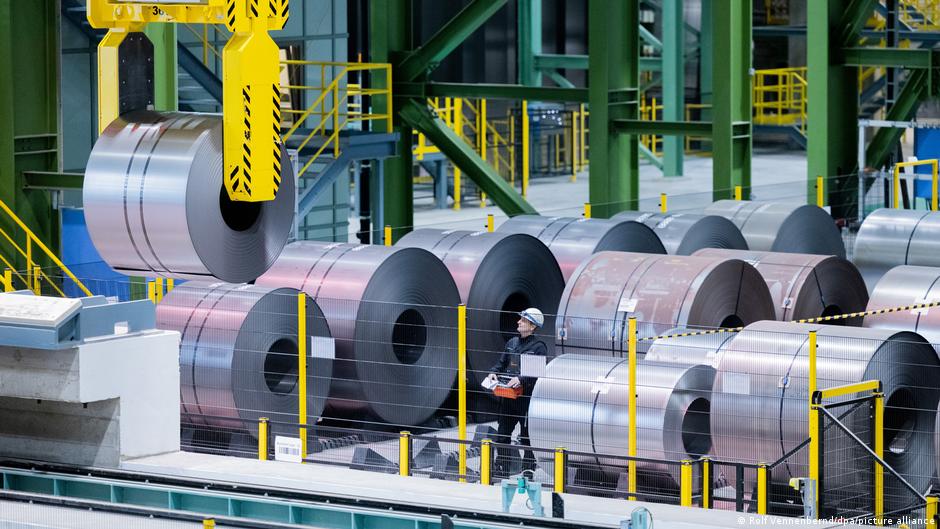
On July 1, the European Union enacted new regulations significantly tightening steel import restrictions to safeguard its domestic steel industry. Duty-free steel import quotas have been reduced by approximately 47%, limiting annual imports to 18.3 million tonnes. Imports exceeding this quota will now face a 50% tariff, double the previous rate.
Implications for UK and European Steel Markets
While the UK is no longer an EU member, the new EU steel import rules are expected to reverberate strongly across British and European steel markets, influencing supply chains, pricing, and international trade flows. The EU's steel industry, led by Germany with an annual production of around 34 million tonnes, aims to curb the influx of low-cost steel, particularly from China, which produced approximately 961 million tonnes of steel in 2025—more than half of global steel output.
"The EU's stricter import quotas and higher tariffs are designed to prevent a flood of cheap steel undermining European producers," industry experts note.
The UK's steel sector, intertwined with European supply chains, could face both challenges and opportunities as EU tariffs reshape market dynamics. British importers may experience changes in raw material costs, while exporters could see shifts in demand as EU producers adjust to the new regime.
Additionally, London's financial markets, which play a pivotal role in commodity trading and futures contracts, are closely monitoring the potential pricing volatility in steel markets arising from these regulatory changes. Sterling may also be impacted due to shifts in trade balances and investor sentiment linked to industrial sectors.
Unused steel import quotas in the EU can be carried over to subsequent quarters, offering some flexibility to importers. However, the move underscores the EU's commitment to addressing what it describes as unfair trade practices, particularly accusing China of state-supported steel production that floods global markets with excess supply.
These developments come amid ongoing efforts to protect European industries from market distortions and to support the green transition within the steel sector. UK businesses engaged in steel production, construction, and manufacturing will need to adapt strategies to navigate the evolving landscape shaped by EU policy and global trade tensions.