Poland Expels 11 Suspected Russian-Funded Agents Amid Rising Tensions Over Ukraine Protests
Polish security forces deport Ukrainian and Belarusian nationals accused of organizing protests among refugees with Russian financial backing.
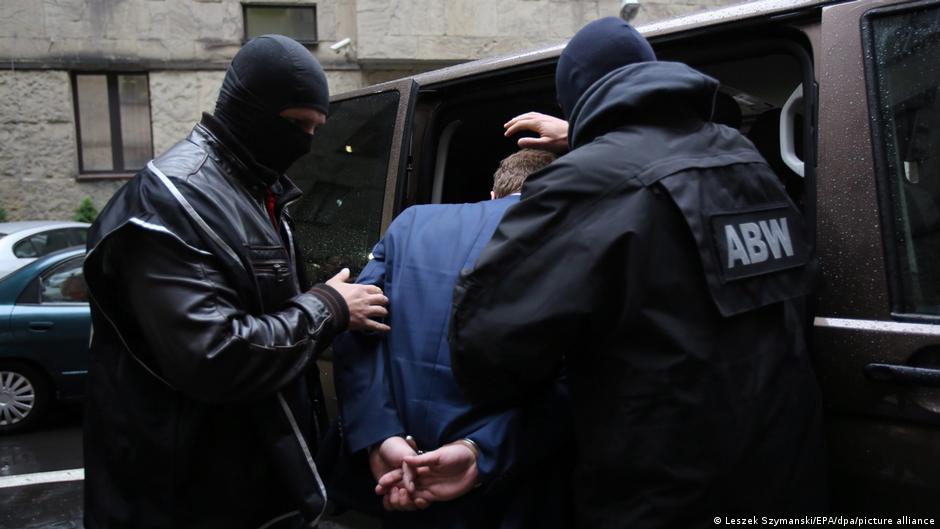
Poland has recently expelled 11 individuals—nine Ukrainians and two Belarusians—accused by the country's Internal Security Agency (ABW) of recruiting participants for protests among Ukrainian refugees, activities allegedly funded by Russian sources. This move reflects increasing concerns within the European Union and the United Kingdom about Russian influence operations targeting Eastern European diaspora communities and their potential repercussions on regional stability and markets.
Background and Security Concerns
According to official statements released on June 29, Polish border services detained the suspects in multiple cities including Warsaw, Wrocław, Kraków, Zakopane, and Bydgoszcz prior to their deportation. The ABW reported that since late 2025, these individuals have been actively identifying and incentivizing people—mainly Ukrainian refugees residing in Poland—to participate in protests. The financing for these activities is purportedly linked directly to Russian interests.
"The organizers aimed to gradually influence the Ukrainian refugee community in Poland and use this group to promote political slogans," ABW officials noted, highlighting that the protests often centered on emotionally charged issues such as corruption scandals in Ukraine and other domestic political matters.
This development comes amid broader European concerns about Russian disinformation and covert efforts to destabilize NATO partners and EU member states. In February 2024, Poland's Ministry of Foreign Affairs warned of possible infiltration of Russian agents into agricultural protest movements, noting attempts to insert anti-Ukrainian rhetoric into demonstrations.
Furthermore, investigations by the "Dossier" research center, linked to Russian oligarch and opposition figure Mikhail Khodorkovsky, revealed in May 2023 that Russian authorities orchestrated disinformation campaigns within the European Union. These campaigns sought to sow discord among NATO allies—particularly between France and Turkey—and foster anti-Ukrainian sentiment across EU member states.
Implications for UK and European Markets
The expulsion highlights persistent security challenges that UK and EU governments face in managing the complex geopolitical ramifications of the Ukraine conflict. For London’s financial markets, which remain deeply interconnected with both Eastern European economies and global political developments, such tensions can increase market volatility, particularly for sterling and European currencies.
Investors and policymakers are closely monitoring how Russia’s covert operations might influence political stability in Poland and beyond, impacting investor confidence. Given London’s role as a major financial hub for trading Eastern European assets and managing geopolitical risk, the city may see heightened demand for risk assessment services and defensive investment strategies.
Moreover, the incident underscores the need for enhanced intelligence cooperation between the UK and EU nations to counteract foreign interference. Strengthening these ties could help safeguard democratic institutions and market integrity across Europe.
As Europe continues to navigate the ongoing fallout from the war in Ukraine, instances like these serve as reminders of the multifaceted nature of the conflict, extending beyond traditional battlefields into political, social, and economic arenas that directly impact British and European interests.