Ukraine's Zelensky Proposes National Pantheon and New European Order Amid EU-Poland Strains
President Zelensky calls for a Ukrainian National Pantheon and the Order of Europe, highlighting ongoing diplomatic tensions with Poland and implications for EU relations.
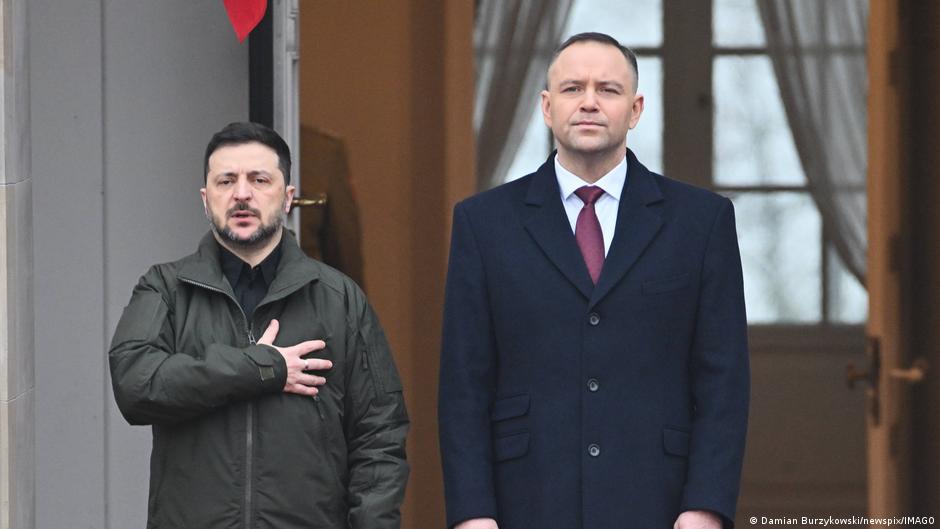
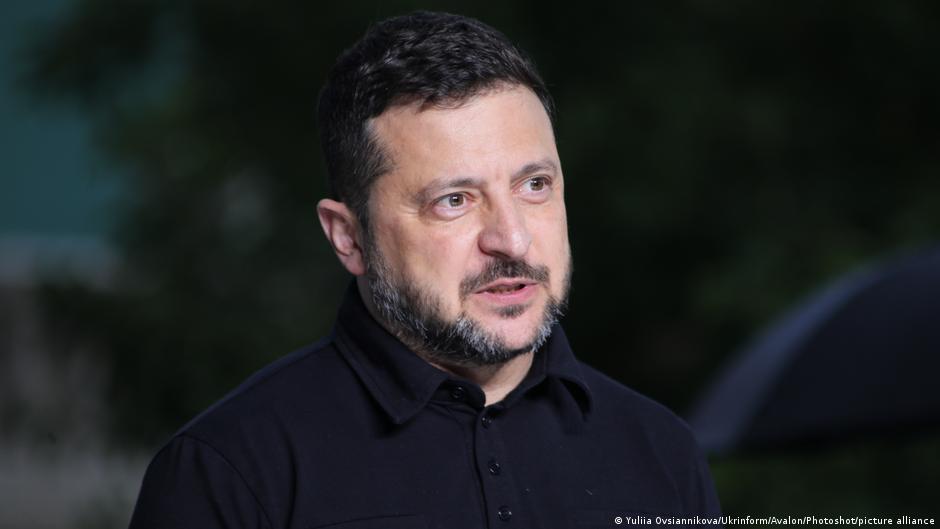
Ukrainian President Volodymyr Zelensky has initiated the creation of a Ukrainian National Pantheon dedicated to honoring heroes who have fought for Ukraine across centuries, alongside proposing a new state award called the Order of Europe.
Zelensky's Vision for Ukrainian National Recognition
During a speech marking Ukraine's Constitution Day on June 28, Zelensky urged the Ukrainian parliament to establish this pantheon, which will unite the names of heroes who inspired Ukraine throughout history. "The names of all heroes who fought for Ukraine in different centuries and epochs will be united and forever inscribed in our history with great respect and attention from the state," Zelensky said. He emphasized Ukraine's sovereignty in determining its historical legacy, stating, "No one will ever tell us how to live, what to say, whom to love, whom to be grateful to, and which heroes to honor."
"No one will ever tell us how to live or which heroes to honor," said President Zelensky, underscoring Ukraine's cultural and historical independence.
This announcement comes amid heightened diplomatic tensions between Kyiv and Warsaw, triggered by Zelensky’s decision to name a Ukrainian military unit after the fighters of the Ukrainian Insurgent Army (UPA). Poland, a key ally supporting Ukraine’s defense against Russian aggression, strongly criticizes the UPA designation due to the army’s association with the Volhynia massacre, an episode recognized by Poland as genocide against its citizens during World War II.
In response, Polish President Karol Nawrocki rescinded Ukraine’s highest Polish honor, the Order of the White Eagle, previously awarded to Zelensky. Zelensky responded with irony, noting that the award had not been revoked from historical figures such as Catherine the Great, Benito Mussolini, or former German Chancellor Gerhard Schröder, and declared Ukraine would not contest the decision. However, Warsaw clarified that the award is not revoked posthumously and emphasized that Schröder had not offended the Polish nation.
Following Zelensky, several Ukrainian officials returned Polish honors, while Polish politicians, including Jarosław Kaczyński, leader of the nationalist Law and Justice party (PiS), returned Ukrainian awards to Kyiv. Kaczyński has also called on the Polish government to block Ukraine’s EU accession talks, a stance seen by analysts, including Financial Times, as a strategy to galvanize voters ahead of Poland’s 2027 parliamentary elections.
Polling in mid-June shows 58.3% of Poles hold a negative view of Zelensky’s attitude toward Poland, while 30.1% hold the opposite. President Nawrocki enjoys a record approval rating of 54.8%, with Poles largely supporting his decision to revoke Zelensky’s award.
Implications for UK and EU Interests
Zelensky’s proposal for the Order of Europe aims to recognize Ukrainians and foreign nationals who "defend the security and future of all Europe" and support Ukraine’s EU integration. Currently, the European Union has no award titled "Order of Europe," although it does confer the European Order of Merit, established in 2025, of which Zelensky is among the first recipients.
From a British and wider European business perspective, these developments signal ongoing challenges in the EU-Ukraine alliance and could influence perceptions in London and Brussels regarding the stability and unity of the EU’s eastern flank. The diplomatic strain with Poland, a significant EU member state and NATO ally, could impact the pace of Ukraine’s accession talks—a matter closely watched by UK businesses engaged in European markets, especially given sterling's sensitivity to geopolitical shifts affecting the EU economy.
The UK government and financial markets in London are likely to monitor these tensions carefully. A protracted dispute between Ukraine and Poland risks complicating EU enlargement strategies and may generate volatility in sterling and European equities, particularly in sectors linked to defense, energy, and regional trade.
Moreover, Zelensky’s emphasis on a new European order reflecting Ukraine’s role in defending the continent aligns with broader UK and EU geopolitical interests in countering Russian aggression, but the diplomatic fallout with Poland underscores complexities in coalition-building within Europe.
As Ukraine pushes forward with symbolic and legislative measures like the National Pantheon and the Order of Europe, British and European stakeholders will be assessing how these initiatives affect Ukraine’s political integration and economic trajectory, with direct implications for London’s role as a financial hub connected to continental security and growth.