US Strikes Iranian Military Sites Amid Tensions in Strait of Hormuz Impacting Global Oil Trade
US airstrikes on Iranian military infrastructure mark an escalation following attacks on commercial tankers near the crucial Strait of Hormuz.
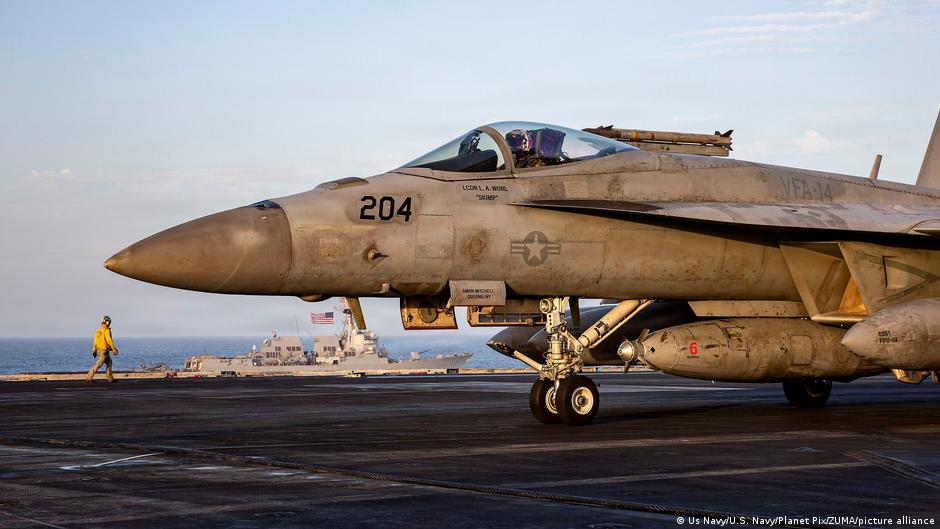
On 27 June, the United States military launched airstrikes against Iranian military infrastructure including surveillance systems, communication networks, air defense installations, drone storage, and mine-laying equipment. The Central Command of the US Armed Forces (CENTCOM) described these actions as retaliation against Iran's ongoing aggression toward commercial shipping in the strategic Strait of Hormuz.
Implications for UK and European Energy Interests
The Strait of Hormuz is a vital chokepoint for global oil shipments, with a significant volume of crude oil destined for European and British markets transiting this narrow passage. The recent attacks, including a drone strike on the Panama-flagged tanker Kiku carrying over two million barrels of crude oil and a prior assault on the Ever Lovely, have heightened concerns about the security of energy supplies and the stability of global oil prices.
London's financial markets responded cautiously to the escalation, with sterling experiencing slight volatility amid growing geopolitical risks. European energy companies are monitoring the situation closely, as disruptions at the Strait of Hormuz could exacerbate supply constraints and affect oil price dynamics, influencing inflationary pressures across the UK and EU economies.
“The US strikes are a direct response to Iran’s breach of the ceasefire agreement, underscoring the fragile security environment in a region critical to British and European energy security.”
The US strikes followed Iran's deployment of a kamikaze drone targeting the Kiku tanker near the Strait. Iran's Islamic Revolutionary Guard Corps (IRGC) has claimed responsibility for subsequent missile and drone attacks on US military sites in Kuwait and Bahrain, intensifying the risk of wider regional conflict.
Both Tehran and Washington accuse each other of violating the ceasefire agreement signed on 17 June aimed at halting hostilities and ensuring unimpeded maritime navigation. However, Iran’s insistence on controlling safe passage routes has already led to renewed clashes, raising questions about the durability of diplomatic efforts.
From a UK and EU perspective, the situation demands vigilant monitoring of energy supply chains and contingency planning to mitigate potential disruptions. The London Stock Exchange and European energy markets have factored in increased geopolitical premiums into oil prices, reflecting the persistent threat to commercial shipping lanes.
US President Donald Trump warned of escalating military responses if Iran continues its aggressive actions, signaling a potential for further instability. This ongoing volatility underscores the strategic importance of the Strait of Hormuz and the critical need for international cooperation to safeguard vital energy flows that underpin European economies.