Russia Quadruples Aviation Fuel Imports from Belarus Amid Domestic Production Decline
Moscow's reliance on Belarusian jet fuel rises sharply as Russian refineries face operational setbacks and export bans.
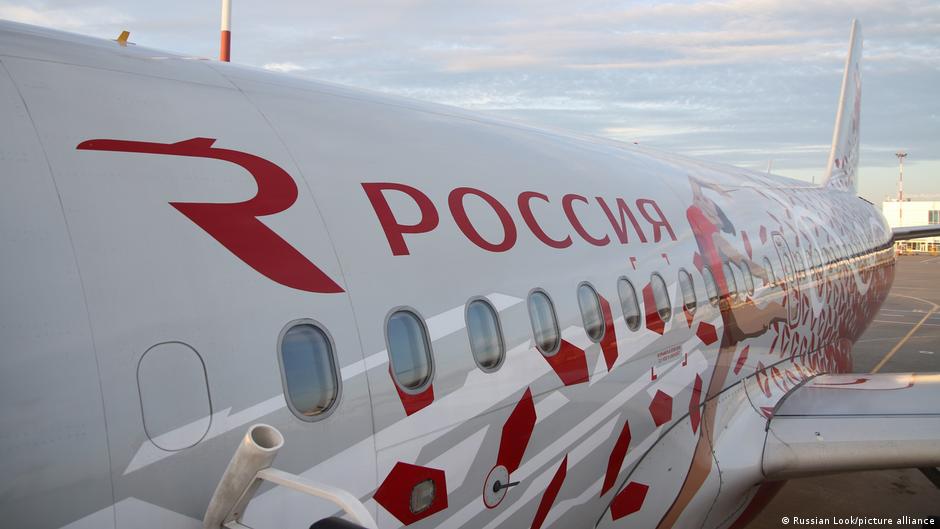
In a significant development affecting European energy and aviation markets, Russia has dramatically increased its imports of aviation kerosene from neighboring Belarus. In May 2026, Russia imported 5,170 tonnes of jet fuel from Belarus, nearly four times the volume imported in the same month last year, according to recent data from the Center for Price Indices.
This surge continued into early June, with Russia bringing in an additional 2,600 tonnes of aviation kerosene during the first ten days of the month. Industry analysts attribute this rise primarily to a decline in domestic production of aviation fuel, which has strained Russia’s fuel supply chain and raised concerns across European markets.
Production Challenges and Market Implications
Russian authorities have not publicly disclosed current domestic production figures for aviation fuel. However, estimates place the total output in 2025 at approximately 11.4 million tonnes. A key contributor, the Moscow Oil Refinery in Kapotnya, which accounts for roughly 1.4 million tonnes of this total, halted operations in mid-June following attacks by unmanned aerial vehicles (UAVs). Reports indicate that the refinery is unlikely to resume production before winter, exacerbating supply shortages.
“The increase in imports reflects a domestic production shortfall, highlighting vulnerabilities in Russia’s refining infrastructure,” industry observers note.
Further complicating the situation, Russian authorities implemented a historic ban on aviation kerosene exports starting June 1, effective until November 30. This unprecedented move aims to secure domestic fuel supplies but has led to operational restrictions at Russian airports, where limitations on aircraft refueling have been reported since mid-June.
According to investigative reports, Russia is exploring the import of foreign aviation fuel grades, such as JET A-1, through maritime ports for blending with local products. This strategy signals a shift in the traditionally self-reliant Russian fuel market and may have ripple effects on European energy logistics.
Broader Fuel Supply Disruptions and European Impact
The aviation fuel challenges are part of wider disruptions affecting Russia’s fuel sector. More than 30 Russian regions have imposed restrictions on automotive fuel sales amid supply difficulties. These shortages partly stem from continued Ukrainian military strikes targeting Russian oil infrastructure, including refineries and logistics networks in occupied territories like Crimea.
By late June, gasoline production in Russia had reportedly fallen by 25% year-over-year, intensifying pressure on domestic markets. In response, Russia has solicited gasoline imports from Kazakhstan, requesting up to 50,000 tonnes to mitigate shortfalls.
For the UK and broader European business communities, these developments warrant close attention. The increased reliance on Belarusian fuel imports may alter trade dynamics and impact sterling-sensitive energy markets. London-based commodity traders and aviation firms are monitoring these supply chain shifts, which could influence fuel pricing, availability, and logistical strategies across Europe.
As Europe continues to navigate post-pandemic recovery and geopolitical challenges, the resilience of energy and aviation fuel supplies remains critical. The evolving situation in Russia underscores potential vulnerabilities and the interconnectedness of regional markets.