Finland Lifts Ban on Nuclear Weapons Import Amid NATO Security Shift
Finland's repeal of nuclear weapons prohibition marks a major security policy change with implications for UK and EU defence interests.
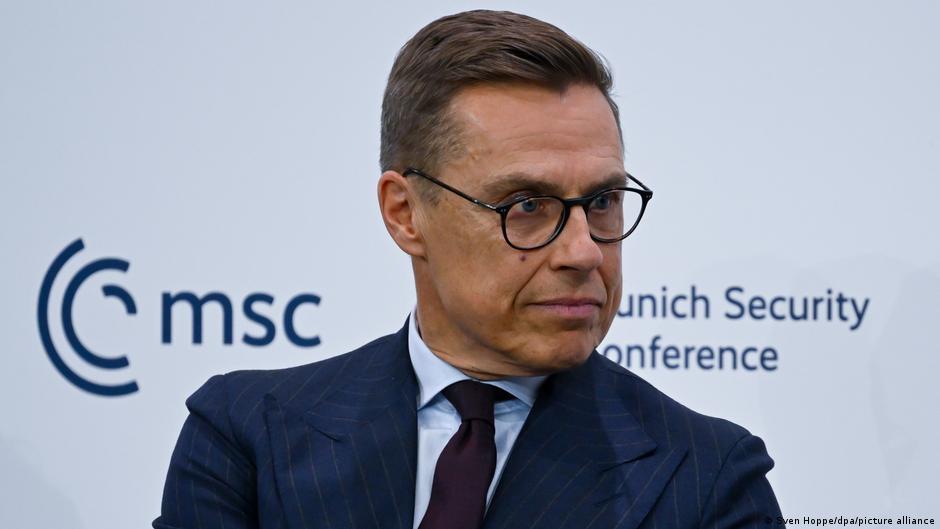
Finland has officially lifted its ban on the import and storage of nuclear weapons, a move signaling a significant shift in its national defence policy in the context of heightened NATO security concerns. The Finnish President Alexander Stubb signed amendments to the Atomic Energy Act on June 26, with the changes coming into force on July 1.
The Finnish parliament approved the legislative amendments on March 17 with a vote of 125 to 61. Finnish Defence Minister Antti Häkkänen described the reform as "historic," emphasizing that it strengthens the security of Finland and the entire NATO alliance.
Strategic Implications for the UK and European Security
While President Stubb has stated that Finland does not intend to station nuclear weapons on its soil during peacetime, the legal removal of the prohibition introduces the possibility of nuclear deterrence as a strategic option. This development comes amid ongoing tensions with Russia and follows Finland's accession to NATO in April 2023, which has already prompted significant recalibrations in European security dynamics.
"This concerns nuclear deterrence — a deterrent factor designed to guarantee that nuclear weapons will never have to be used," explained President Stubb.
For the UK and broader EU, Finland's legislative shift underscores the evolving security landscape on Europe's northeastern frontier. London's defence and diplomatic circles are likely monitoring how this affects NATO's posture against Russian aggression, especially given Finland's 1,300-kilometre border with Russia.
Russia warned of "countermeasures" if nuclear weapons are deployed in Finland, reflecting Moscow's sensitivity to NATO's expanding presence near its borders. Häkkänen responded firmly that Helsinki is fully prepared to address any Russian reaction and suggested that legal reforms reduce the risk of Finland becoming a target of Russian military actions.
Finland's decision to leave the Ottawa Convention, which bans the use and stockpiling of anti-personnel mines, earlier in 2025 also reflects a broader trend of Helsinki reassessing its defence policies amid regional security challenges. President Stubb justified the departure by citing Russia's non-participation in the treaty and the use of landmines by Russian forces in conflict zones.
The UK government may view Finland's actions as reinforcing NATO's collective deterrence capabilities, particularly as London continues to support enhanced defence cooperation and readiness across Northern Europe. Additionally, the London financial markets could perceive shifts in regional stability as factors influencing sterling valuations, given the UK's vested interest in European security and trade routes.
In May 2026, President Stubb urged Europe to engage in direct dialogue with Russia, signalling a nuanced approach to security that balances deterrence with diplomacy. This dual strategy may influence the EU's collective foreign policy and defence planning, areas where the UK retains substantial strategic interests despite Brexit.
Finland's legislative changes mark a notable development in the European security environment, with tangible implications for UK and EU defence strategies, NATO's deterrence posture, and the broader geopolitical balance in Northern Europe.