German Government Grants Asylum to Russian Anti-War Activist After Initial Rejections
Ilya Shkolny, a Russian anti-war activist, has been granted asylum in Germany following a prolonged legal battle and last-minute intervention.
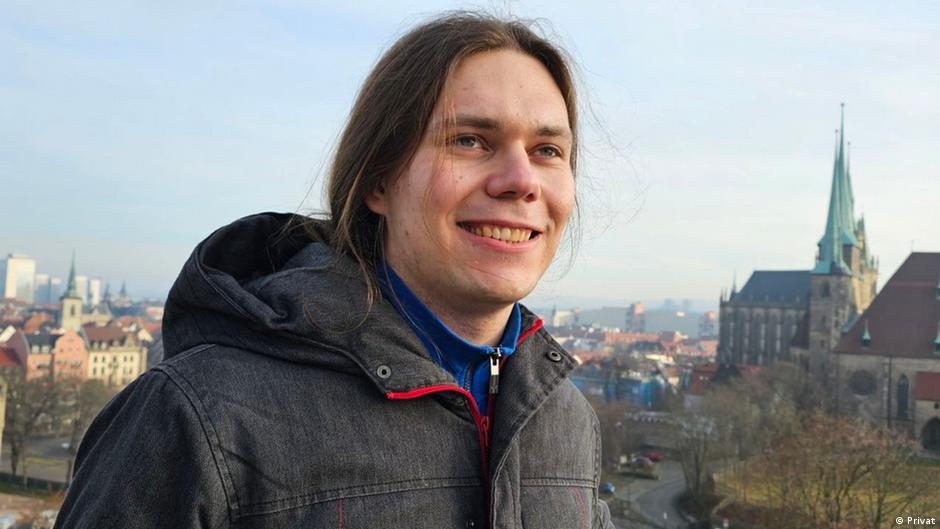
The German authorities have reversed their previous decisions and granted asylum to Russian anti-war activist Ilya Shkolny, who narrowly avoided deportation from Germany back to Russia in early April 2026. The decision marks a significant development after years of legal struggle, amplified by the intervention of human rights advocates.
Legal Struggles and Political Context
Over the past three years, Ilya Shkolny fought to secure political asylum in Germany. His case gained public attention after he was detained in a deportation facility in Hof, Bavaria, in March 2026. A human rights advocacy project called inTransit played a pivotal role in preventing his expulsion.
Shkolny’s political activism dates back to his volunteer work with Alexei Navalny’s headquarters in 2017-2018 and participation in the “Smart Voting” campaign in 2021. He also served multiple times as an election observer for the Russian pro-democracy movement “Golos” between 2018 and 2021 and was a member of the Libertarian Party’s Moscow leadership.
In June 2022, Shkolny arrived in Germany on a 90-day visa intended for binational couples, joining his German girlfriend, Ansuela Baldemair, with whom he decided to marry. His reluctance to return to Russia intensified following the country’s full-scale invasion of Ukraine, motivating him to seek protection in Germany.
“The worsening political climate in Russia and increased risks of persecution due to my past activism made seeking asylum a necessary step,” Shkolny stated.
Despite multiple interviews with Germany’s Federal Office for Migration and Refugees (BAMF), Shkolny initially received two asylum refusals. Authorities argued that potential conscription into the Russian army did not constitute grounds for asylum and that political risks related to his activism were not severe enough to warrant protection.
Shkolny appealed the rejections citing new developments: enhanced repressive laws in Russia, risks of retroactive prosecution for political activities, the introduction of electronic summons, and changes in conscription legislation. However, BAMF again denied his application, claiming no new circumstances justified asylum.
After exhausting administrative appeals, Shkolny took his case to court, filing an urgent request to suspend the asylum denial, which was rejected in November 2025.
Implications for UK and European Markets
From a UK and European business perspective, Shkolny’s case underscores the broader geopolitical tensions stemming from Russia’s actions and their ripple effects across the continent. The UK and EU have been monitoring migration and asylum patterns linked to the ongoing conflict in Ukraine and Russia’s internal political repression.
London’s financial markets have shown sensitivity to geopolitical risks involving Russia, with sterling occasionally benefiting as investors seek safe havens amid instability. Germany’s ultimate decision to grant asylum signals a firm stance on human rights and political refugees, reinforcing the EU’s commitment to protecting dissidents.
For UK and European businesses, such developments may influence regulatory environments, cross-border workforce dynamics, and diplomatic relations, all factors that indirectly affect market confidence and sterling’s performance.
Shkolny’s prolonged struggle and eventual asylum acceptance demonstrate the complex interplay between political activism, migration law, and international relations—areas closely watched by policymakers and markets alike.
The German Foreign Ministry has not commented publicly on the specifics of this case, but the decision aligns with the EU’s broader approach to protecting individuals at risk due to authoritarian crackdowns.
Support for Shkolny came from diverse quarters, including members of the Bundestag, students and faculty at Bayreuth University where he studied, and thousands of petition signatories. This coalition highlights the European civil society’s increasing engagement with issues affecting Russian activists.