EU Faces Division Over Russian Combatant Entry Ban Amid Concerns from Rome and Paris
Italy and France express doubts that an EU ban on Russian combatants could inadvertently bar all Russian nationals, complicating enforcement.
The European Union is encountering internal divisions as Italy and France voice reservations about a proposed ban on Russian combatants entering the EU, part of the bloc’s 21st sanctions package against Russia amid the ongoing conflict in Ukraine.
Concerns Over Enforcement and Broader Impact
According to sources, both Rome and Paris support restricting entry for Russian military personnel engaged in the war against Ukraine. However, they are apprehensive that the language of the ban could lead to a blanket restriction on all Russian citizens attempting to enter EU member states.
These concerns arise in part because individual EU countries would be responsible for determining who qualifies as a combatant. As one source explains, this would place a heavy administrative burden on national governments and risks inconsistent application across the bloc.
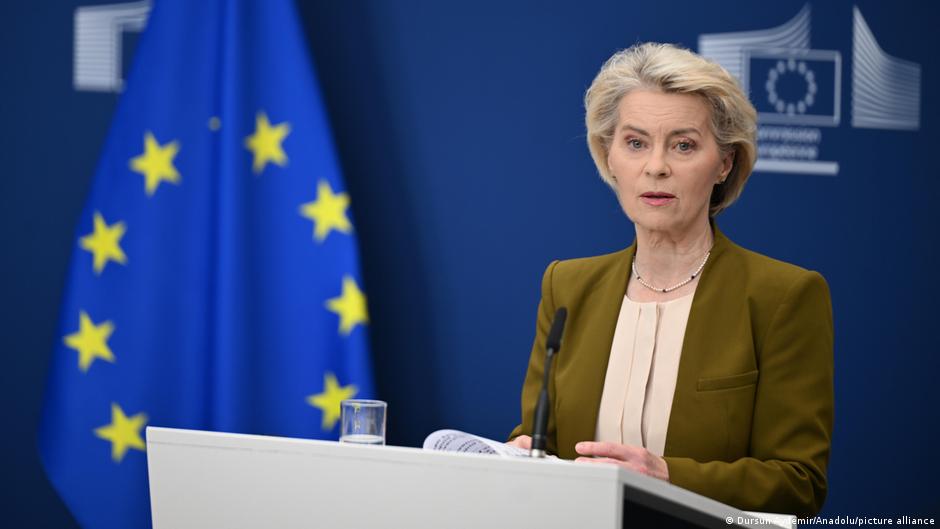
“Europe remains closed to all who participated in the invasion of Ukraine,” EU Commission President Ursula von der Leyen stated when presenting the sanctions package, underscoring the political motivation behind the measures.
The ban on Russian combatants is intended to increase pressure on Moscow by limiting movements of individuals directly involved with the military effort, complementing measures targeting Russian energy, finance, trade, and fishing sectors.
However, this enforcement challenge has prompted hesitancy from two of the EU’s key players, Italy and France, both of which maintain significant economic and diplomatic ties with Russia. Their caution highlights a balancing act between firm sanctions and practical implementation concerns.
Implications for the UK and London Markets
While the United Kingdom is not an EU member, the bloc’s decisions inevitably ripple through European and global markets, including London’s financial sector. The sanctions package, particularly restrictions on individuals tied to the Russian military, may influence sterling’s strength due to shifts in geopolitical risk perception and investor confidence.
London, as a major hub for global finance and a gateway for European investments, closely monitors developments in EU sanctions regimes. Potential ambiguities in enforcement could lead to volatility in markets sensitive to Russian exposure and sanctions compliance.
Moreover, uncertainty around the scope and application of bans on Russian nationals might affect UK businesses engaged in trade or finance linked to Russia, prompting firms to reassess risk and compliance frameworks.
Broader Challenges Within the 21st Sanctions Package
Beyond the entry ban, the EU is also grappling with difficulties in enforcing the proposed price cap on Russian oil amid soaring global energy prices. Observers warn that ensuring adherence to the cap could prove problematic, potentially undermining the sanctions’ effectiveness.
The 21st sanctions package, unveiled by Ursula von der Leyen on June 9, aims to tighten the EU’s economic squeeze on Russia by closing loopholes and expanding restrictions. The unanimous approval by all 27 member states is required for the measures to take effect after discussions scheduled for June 26.
The package reflects the EU’s strategic goal to curtail Russia’s revenue streams that sustain its military campaign in Ukraine while signalling the bloc’s readiness to escalate economic pressure as Ukraine’s position improves on the battlefield.
As the EU balances political resolve with pragmatic concerns voiced by member states like Italy and France, the final composition and enforcement mechanisms of the sanctions will be closely watched by UK policymakers and market participants seeking to anticipate the broader European economic landscape.