US and Iran Agree to Temporary Ceasefire Ahead of Strait of Hormuz Talks Impacting Oil Markets
Washington and Tehran agree to halt attacks until June 30 as crucial negotiations on Strait of Hormuz shipping resume, affecting global oil prices and London markets.
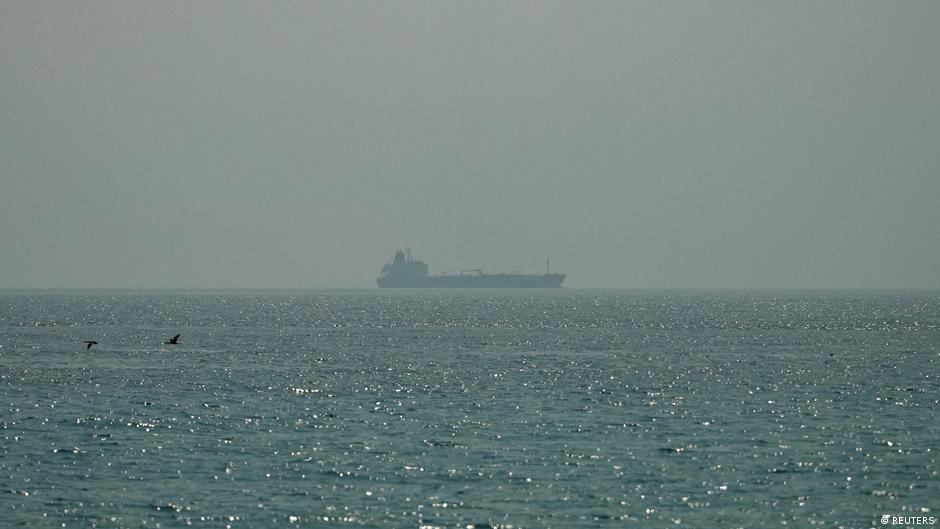
The United States and Iran have agreed to a temporary cessation of hostilities until a scheduled meeting on June 30 in Qatar, where discussions will focus on reopening shipping routes through the strategically vital Strait of Hormuz. This development comes after a recent exchange of attacks and signals a cautious step towards de-escalation amid ongoing tensions.
Implications for UK and European Business and Markets
The Strait of Hormuz is a critical maritime passage for the global oil supply, with approximately 20% of the world's petroleum passing through it. As such, disruptions there have significant implications for European energy security and the sterling currency, given the UK's role as a global financial center and its close economic ties with the European Union.
Despite US President Donald Trump’s assertions regarding the full reopening of the strait, the passage remains only partially accessible under Iranian demands that ships coordinate their routes with Iran's military authorities. Tehran has yet to authorize comprehensive mine clearance, limiting vessels to two narrow shipping lanes. This limitation has kept oil transport volumes through the strait at less than half their pre-conflict levels.
"The temporary truce and the upcoming talks represent a delicate balancing act that bears directly on global energy markets and investor confidence in London and European financial hubs," said an energy market analyst.
Following the June 17 announcement of a memorandum of understanding between the US and Iran, Brent crude oil futures fell, reflecting market optimism about reduced conflict risks. On June 24, Brent crude prices dropped to $73.22 per barrel, their lowest since late February prior to the escalation of US and Israeli military actions against Iran. West Texas Intermediate (WTI) crude similarly declined to $69.87 per barrel on the same day.
However, recent hostilities between the US and Iran from June 26-27—consisting of US strikes on Iranian coastal bases in response to attacks on commercial vessels, and retaliatory Iranian strikes on US military facilities in Kuwait and Bahrain—have underscored the fragility of the ceasefire, which has been in place officially since April 8 but repeatedly violated.
The ceasefire’s continuation is not guaranteed. The memorandum requires both parties to negotiate over the next 60 days on critical issues, including Iran’s nuclear program, US troop withdrawal from neighboring countries, and transit fees Iran intends to impose on ships passing through the strait. Progress reports from these talks have yet to emerge.
For UK and European businesses, the outcome of these negotiations and the stability of the Strait of Hormuz will influence energy prices, supply chain costs, and financial market dynamics. The sterling has shown sensitivity to oil price fluctuations and geopolitical risk, with London’s energy and commodity markets closely monitoring developments.
As London markets respond, investor caution persists, balancing hopes for peaceful resolution against the potential for renewed conflict that could elevate energy prices and disrupt trade flows.