Russian Drone Attacks Over Kyiv Highlight Rising Security Concerns Amid UK-EU Diplomatic Efforts
Multiple Russian drone incursions over Kyiv prompt air raid alerts as UK, Germany, and France prepare to discuss Ukraine conflict resolution.
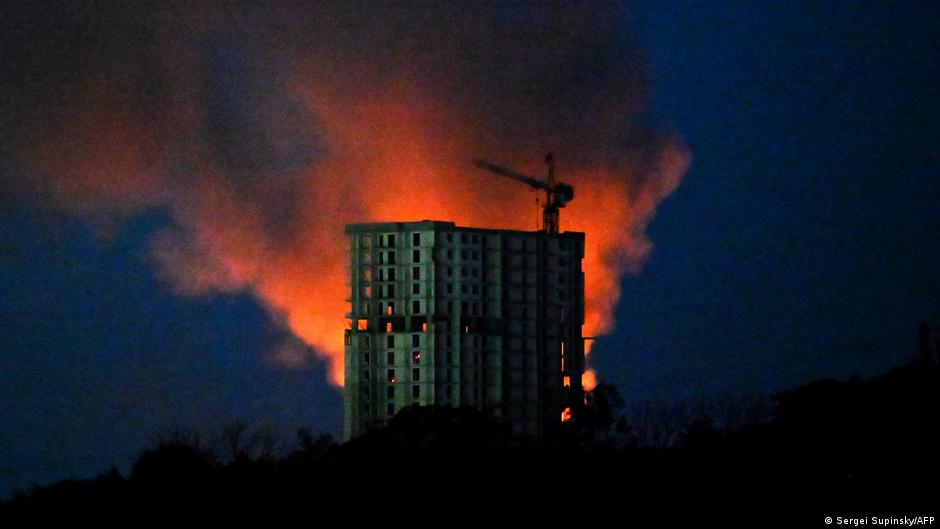
In the early hours of June 7, Ukrainian air defenses recorded at least two separate drone incursions targeting the Kyiv region, signaling an escalation in Russian unmanned aerial vehicle (UAV) activity. The attacks, originating from Russia’s Chernihiv and eastern border areas, triggered air raid alarms and heightened security tensions in Ukraine’s capital and surrounding provinces.
Implications for UK and European Security and Markets
The drone threats come as British Prime Minister Keir Starmer prepares to meet in London with German Chancellor Friedrich Merz and French President Emmanuel Macron alongside Ukrainian President Volodymyr Zelensky. The summit aims to energize efforts to end the ongoing conflict and explore prospects for renewed negotiations with Russia.
These developments bear significant weight for the UK and European Union, both politically and economically. The persistent Russian drone attacks threaten regional stability and could impact sterling and European financial markets, especially London’s key role as a global financial center focused on geopolitical risk assessments.
"The importance of targeting Ukraine’s logistics network is not lost on us," noted Ukrainian defense advisor Sergey Beskrestnov, reflecting Moscow’s strategic focus on disrupting transport links between Kharkiv and Sumy regions.
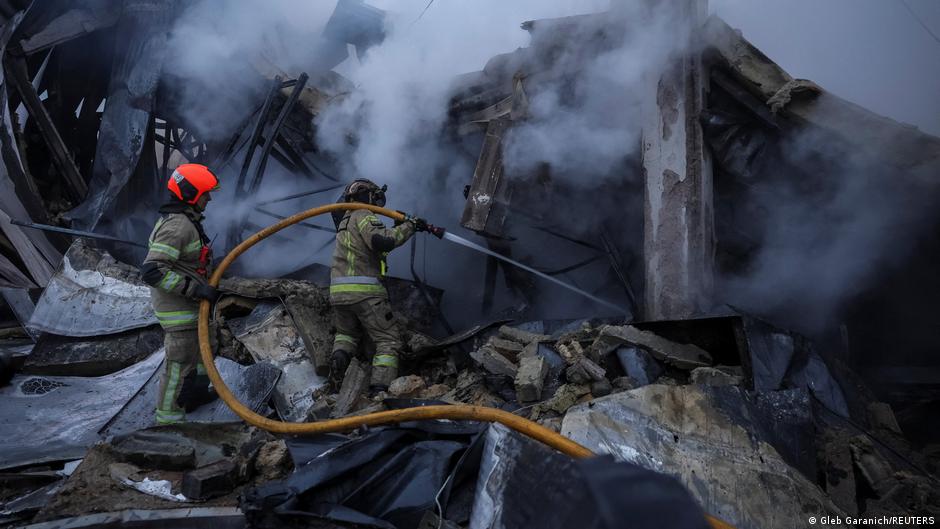
On June 6, Russian forces launched a coordinated assault using 272 strike drones, including Shahed, Gerbera, Italmas, and Banderol loitering munitions, alongside imitation drones dubbed Parodia. Ukrainian air defenses successfully intercepted 249 drones across northern, southern, and eastern fronts by 8:00 a.m., though 19 drones inflicted damage in 11 locations.
Air raid alerts were also active early Sunday in Chernihiv, Sumy, Kharkiv, and Zaporizhzhia provinces, underscoring the broad geographic scope of the attacks and the sustained pressure on Ukrainian airspace.
The threat of ballistic missile strikes from Russia’s Bryansk region adds an additional layer of concern for European capitals monitoring escalating military tensions near the EU’s eastern borders.
These military dynamics intersect with diplomatic initiatives in London, where the UK’s government is positioning itself as a mediator alongside its European partners. The trilateral talks with Zelensky are expected to address new pathways for dialogue with Russia, potentially influencing geopolitical risk premiums and investor sentiment in London and broader EU markets.
For investors and businesses in the UK and Europe, the unfolding situation underscores the intertwined nature of security and economic stability. With London remaining a pivotal hub for geopolitical risk assessment and financial flows, developments in Ukraine will continue to be closely monitored for their potential to sway market confidence and sterling valuations.