Ukraine Apologises to Greece over Explosive Sea Drone Incident Near Ionian Island
Kyiv expresses regret for drone incident off Lefkada, citing impact of Russian aggression on regional security and maritime safety.
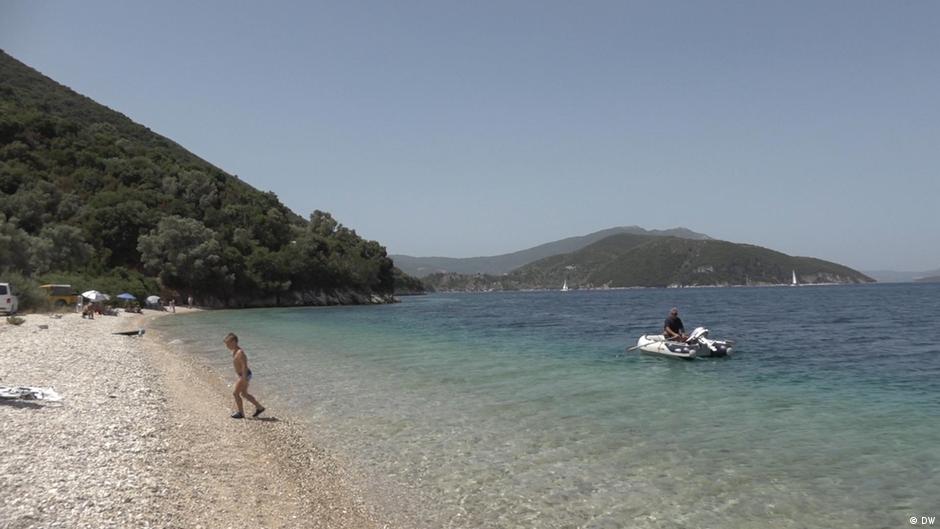
Ukraine has formally apologised to Greece following the discovery of an explosive-laden sea drone near the Ionian island of Lefkada. The incident, which stirred diplomatic tensions, was confirmed in a statement posted on social media by Georgiy Tykhyi, a spokesperson for the Ukrainian Foreign Ministry, on 5 June.
Tykhyi explained that the drone’s presence was a "result of circumstances caused by the ongoing Russian aggression against Ukraine." Kyiv emphasised its commitment to international law and the safety of civilian shipping, expressing regret for the incident and an intention to prevent similar occurrences in the future.
Implications for Regional Security and European Interests
The drone, reportedly carrying around 100 kilograms of explosives, was found in May by local fishermen off Lefkada, a Greek island over 1,000 kilometres from Ukraine’s Black Sea coast. According to reports, the drone’s remote control system malfunctioned, leading to its unintended presence in Greek territorial waters.
"This incident, like others in various regions, shows that Russia’s ongoing aggression against Ukraine poses a threat not only to our country but also to neighbouring friendly states, Europe, and the world at large," the Ukrainian Foreign Ministry stated.
Greece issued a diplomatic protest on 3 June, warning that it would not allow the Mediterranean Sea to become a theatre for military conflict. The Greek government’s firm response highlights the delicate balance of security in the Mediterranean, a region critical to European trade and energy routes.
While Ukraine lacks direct access to the Mediterranean and Ionian seas, intelligence suggests that Ukrainian forces have deployed maritime drones from bases in western Libya to target Russian "shadow fleet" vessels operating in the Mediterranean. Earlier in March, Ukrainian sea drones reportedly attacked a Russian liquefied gas tanker en route to Egypt east of Malta.
For London and European markets, the incident underscores the broader geopolitical risks affecting regional stability and energy security. The Mediterranean is a vital corridor for British and EU energy supplies, and escalating tensions could exacerbate volatility in oil and gas prices, potentially impacting sterling and financial markets in London.
Ukraine expressed gratitude to Greece and its people for their consistent support since the full-scale Russian invasion began, reaffirming its commitment to deepening friendly relations and constructive dialogue with Athens across mutually important areas.
As Europe continues to navigate the ramifications of the Russia-Ukraine conflict, the incident serves as a reminder of the conflict's far-reaching consequences beyond Eastern Europe, affecting maritime security, diplomatic relations, and economic interests across the continent.


