Ukraine Warns of Russia’s Planned Mobilisation Expansion in Autumn 2026 and North Korean Military Aid
Ukraine’s president signals Moscow’s intent to intensify military recruitment and receive tens of thousands of North Korean troops, raising concerns in European and UK markets.
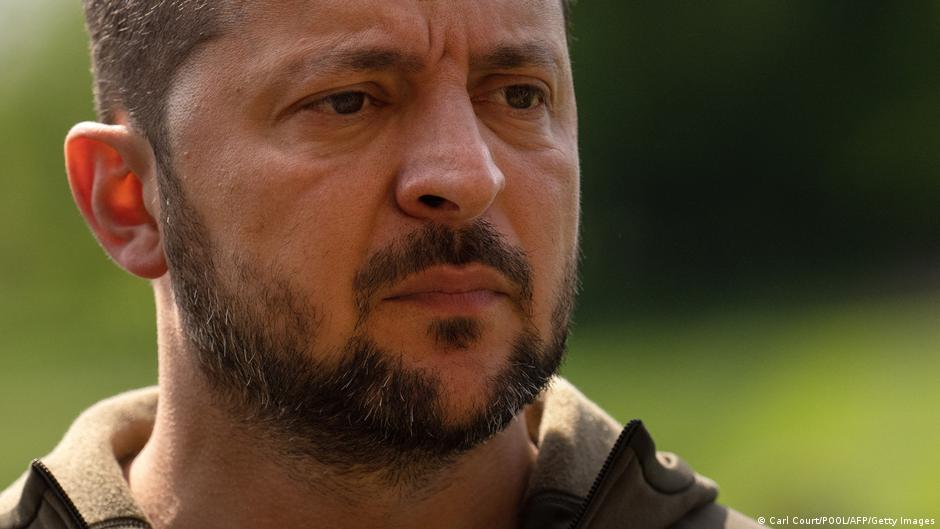
Ukrainian President Volodymyr Zelensky has revealed that Russia intends to significantly expand its military mobilisation efforts in the autumn of 2026. According to Zelensky, Moscow also plans to bolster its forces by deploying an additional 30,000 soldiers from North Korea, a move that could have profound implications for European security and the London financial markets.
Impact on UK and European Business Landscape
The announcement of Russia’s proposed mobilisation expansion comes amid ongoing tensions in Eastern Europe, with the conflict already influencing energy supplies, commodity prices, and investor confidence across the continent. The prospect of a larger Russian military commitment and increased foreign troop involvement raises uncertainty around geopolitical stability, which is closely monitored by UK and European investors.
London markets have historically responded sensitively to escalations in the Russia-Ukraine conflict, often triggering fluctuations in the sterling exchange rate and affecting British companies with exposure to Eastern Europe and energy sectors. This latest intelligence confirming Russia’s plans could prompt renewed volatility.
"It is crucial for partners, including the UK and EU, to exert sufficient pressure on Russia to shift the focus from military aggression to peace," Zelensky stated, highlighting the need for coordinated international response.
Russia’s previous partial mobilisation occurred between late September and early October 2022. The current statements suggest a continuation and enlargement of these efforts, though details on the exact scope of the mobilisation remain unspecified.
Moreover, Zelensky disclosed that North Korea is preparing to transfer new ballistic missile launch systems to Russia, further deepening the military cooperation between the two countries. This alliance poses a strategic challenge not only to Ukraine but also to Asian nations within reach of North Korean missile capabilities, potentially affecting broader European security calculations.
For the UK, which remains a leading voice in European security and sanctions enforcement, these developments underline the importance of maintaining strong diplomatic and economic measures to counteract Russia's military ambitions. Financial markets and policymakers alike must weigh the potential consequences of an expanded conflict zone and any disruptions to supply chains or energy routes.
President Zelensky emphasized that Russia is reportedly "simply preparing to conscript more Russians for war," masking mobilisation under different terms, which complicates efforts to assess the true scale and intent behind Moscow's military preparations.
As a result, London-based investors and businesses with interests in Eastern Europe should remain vigilant about risks tied to escalating conflict dynamics, including the possibility of new sanctions or countermeasures that could affect cross-border trade and investment flows.