US and Iran Agree on Communication Channel to Secure Strait of Hormuz Amid Ongoing Talks
Diplomatic progress between Washington and Tehran to prevent incidents in the strategic Strait of Hormuz raises implications for UK and European trade and financial markets.
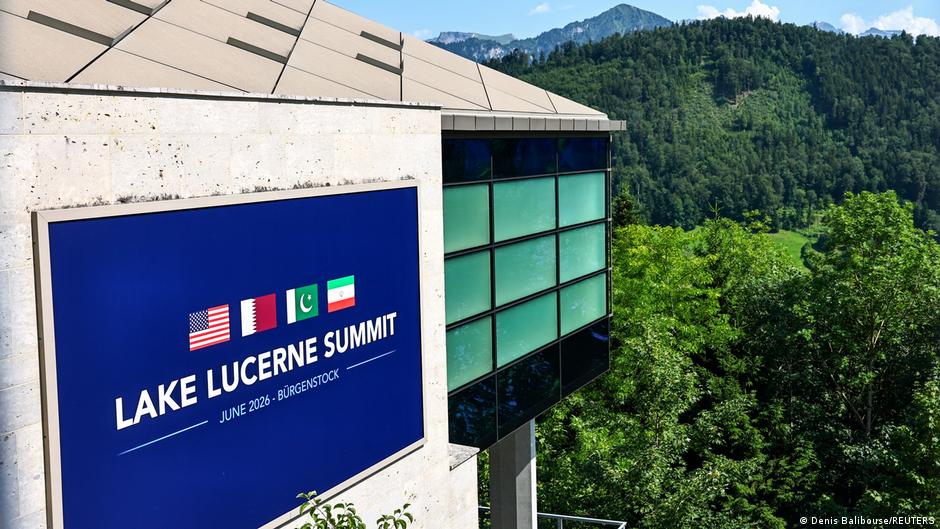
The United States and Iran have reached an agreement to establish a direct communication channel aimed at preventing incidents in the Strait of Hormuz, a key maritime route for global energy supplies. This development comes as part of a broader diplomatic initiative with the goal of finalizing comprehensive agreements within 60 days, following a recent round of talks held at the Bürgenstock resort in Switzerland.
Implications for British and European Interests
The Strait of Hormuz is vital for the transit of oil and gas shipments that significantly affect European energy security and the sterling exchange rate. The creation of this communication line is designed to reduce the risk of misunderstandings and military confrontations that could disrupt the safe passage of commercial vessels through the waterway.
"A communication line between the parties was established to prevent incidents and misunderstandings, ensuring the secure transit of trade ships through the Strait of Hormuz," stated the Qatari Ministry of Foreign Affairs, which mediated the talks.
The agreement is expected to have a stabilizing effect on global oil markets, which in turn influences the London financial markets and the British pound. Reduced tension in this strategic chokepoint may help mitigate price volatility that has previously led to spikes in energy costs across Europe.
The high-level committee overseeing the mediation has endorsed a roadmap to achieve a final settlement within two months. The next phase will involve technical discussions to implement the agreed measures immediately.
Additionally, a dispute resolution group involving representatives from Iran, the United States, and Lebanon has been formed with the assistance of mediators. This group aims to support the cessation of hostilities in Lebanon, further contributing to regional stability.
Qatar and Pakistan, key mediators in the process, expressed strong appreciation for the commitment of Washington and Tehran to pursue diplomacy and peaceful conflict resolution. They highlighted the constructive atmosphere of the summit held near Lake Lucerne, describing the progress as encouraging.
Iranian Foreign Minister Abbas Araghchi described the agreements as a "major success" toward ending combat operations in Lebanon. This diplomatic progress follows Iran’s previous announcement of a temporary closure of the Strait of Hormuz, citing ongoing military operations by Israel in Lebanon and accusing the United States of failing to end hostilities.
Earlier, on June 15, US President Donald Trump and Iranian President Masoud Pezeshkian signed a framework extending a ceasefire declared in April. This framework includes provisions for reopening the previously blocked Strait of Hormuz, with a 60-day timeline established for further negotiations.
For the UK and the broader European Union, where reliable energy imports and trade routes are critical, these diplomatic strides could ease immediate geopolitical risks. Financial markets in London are closely monitoring developments, as any reduction in regional tension typically supports sterling and market confidence.