Russia Extends Sale of Lower-Grade Fuels Until 2027 Amid Energy Crisis
Moscow permits production and sale of Euro-2 to Euro-4 fuels until July 2027 as part of temporary crisis measures impacting European energy markets.
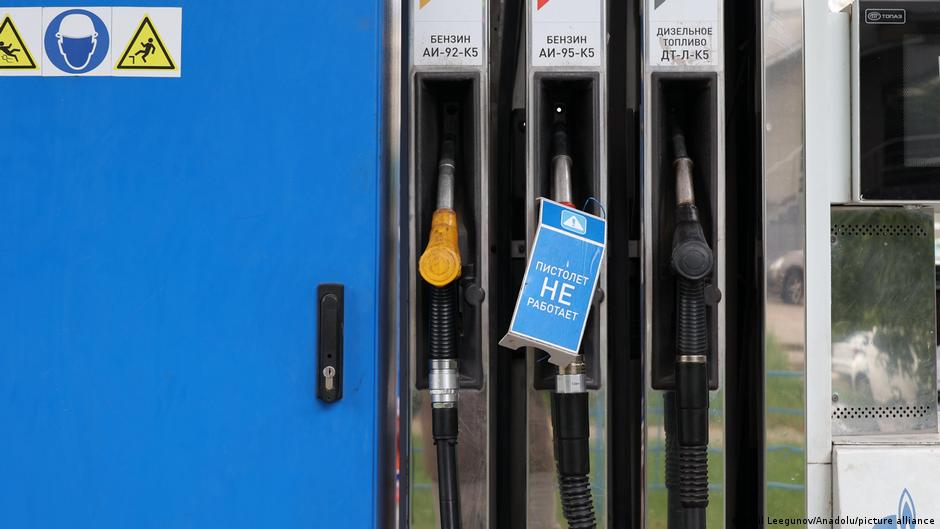
The Russian government has authorized the continued production and sale of lower environmental standard fuels, specifically Euro-2, Euro-3, and Euro-4 grades, until July 1, 2027. This decision, announced by the Ministry of Energy on August 5, 2024, is described as a temporary, anti-crisis measure aimed at balancing fuel quality requirements with consumer availability amid ongoing supply disruptions.
Implications for UK and European Markets
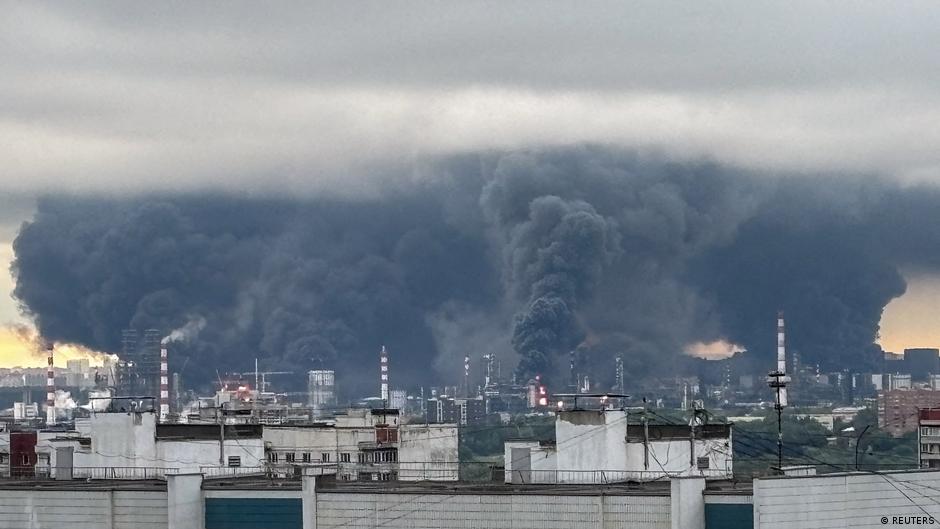
The extension allows the use of fuels with higher sulfur content and lower processing standards, reversing previous plans to limit sales to higher-grade fuels. This adjustment comes in response to a deepening fuel supply crisis in Russia caused by repeated attacks on oil refineries and energy infrastructure by Ukrainian forces. Notably, Moscow's Kapotnya refinery, which supplies approximately 40% of the capital's fuel, was hit twice in late May and is now expected to remain offline until late 2026 or early 2027.
According to Reuters, Russia’s gasoline production fell by 25% in June 2024 compared to the same month in 2023, declining to 85,000 tonnes per day against a summer demand of 110,000 tonnes. Restrictions on fuel sales have been implemented in more than 40 Russian regions due to these shortages.
"This measure will increase gasoline output by hundreds of thousands of tonnes per month but will unlikely fully offset lost volumes," stated Dmitry Prokofiev, Communications Director at NEFT Research.
From a UK and European perspective, this prolonged Russian shift to lower fuel standards could have mixed consequences. On one hand, the availability of cheaper, lower-quality fuel from Russia might ease some global supply pressures, potentially influencing oil and refined product prices on international markets, including in London’s energy trading hubs. On the other hand, concerns over environmental standards and vehicle compatibility persist, especially as many modern European vehicles are not designed to operate efficiently or safely on fuels below Euro-5 standards.
The London market may experience volatility as traders adjust to the extended presence of lower-grade Russian fuels, which complicates the landscape for fuel quality assurance and regulatory compliance within the EU and the UK. Additionally, sterling may respond to shifts in energy commodity prices arising from these developments, with implications for inflation and consumer costs in Britain.
Energy analysts warn that while this temporary policy offers short-term relief for Russia’s strained fuel supply, the broader European energy security situation remains fragile, particularly given ongoing geopolitical tensions and infrastructural vulnerabilities in the region.
The Russian Ministry of Energy also announced that petrol stations will clearly label fuel ecological classes to inform consumers, acknowledging the health and environmental concerns linked to lower-grade fuels. However, the long-term environmental impact of extended use of such fuels could pose challenges for regional pollution and emissions targets, a key consideration for UK and EU policymakers.
In summary, Russia's extension of lower environmental standard fuel sales represents a pragmatic response to a deepening energy crisis at home but introduces complexities and uncertainties for the European fuel market, regulatory frameworks, and sustainability commitments.