Trump signs Graham sanctions bill with direct stakes for UK and EU markets
The US measure targets major buyers of Russian energy and could sharpen pressure on European supply chains, sterling and London-listed firms.
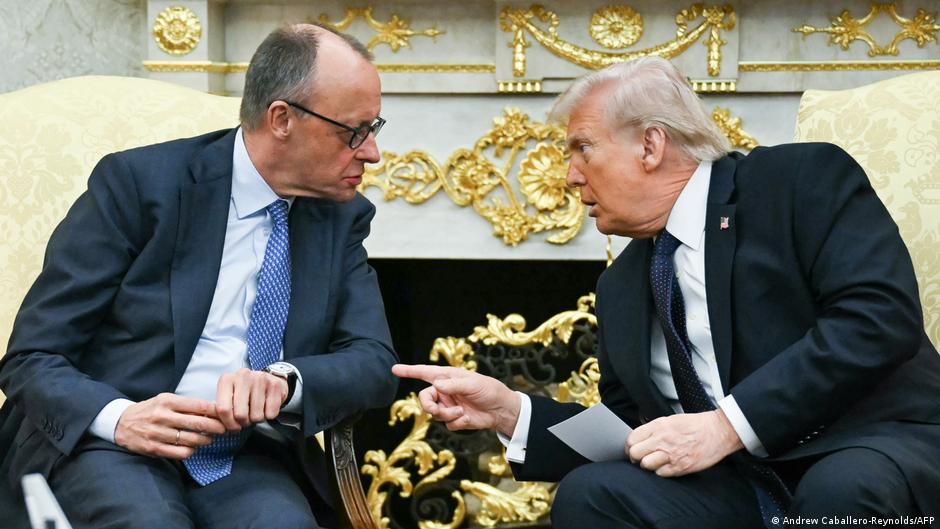
US President Donald Trump has signed into law a sweeping new sanctions bill aimed at Russia over its continuing war against Ukraine, giving the White House broad discretion to impose steep tariffs and financial restrictions with potentially significant consequences for Britain, the European Union and global energy markets.
The legislation, widely known as the Lindsey Graham sanctions bill, was signed on Friday, September 18, after roughly a year and a half of lobbying. It authorises the US president to impose 100 percent tariffs on the five largest buyers of Russian oil and gas, as well as on five countries accused of helping Moscow circumvent energy sanctions.
For UK and European businesses, the measure adds another layer of uncertainty to an already fragile energy and trade landscape. London markets are likely to focus on whether the new US powers disrupt commodity flows, shipping insurance, banking compliance and investor appetite for companies exposed to emerging-market energy trade. Sterling could also face pressure if investors see the sanctions as inflationary for Europe or as a trigger for renewed volatility in oil and gas prices.
The bill includes exemptions for countries that receive less than 15 percent of their natural gas consumption from Russia and are taking steps to reduce those imports. That provision will be closely watched in European capitals, where energy security remains linked to both sanctions policy and domestic price stability.
Energy, banking and shipping risks
The law also provides for sanctions against Russian officials, banks, business figures and the so-called shadow fleet used to move Russian energy exports outside conventional channels. Those provisions are particularly relevant for London, a major hub for maritime insurance, legal services, finance and commodities trading.
Any expansion of sanctions on Russian banks or shipping networks would raise compliance demands for UK and EU financial institutions, especially those handling trade finance, marine insurance and payments connected to energy cargoes. The bill also extends US sanctions on Iran until 2031, further entrenching Washington’s use of economic pressure in global energy and security policy.
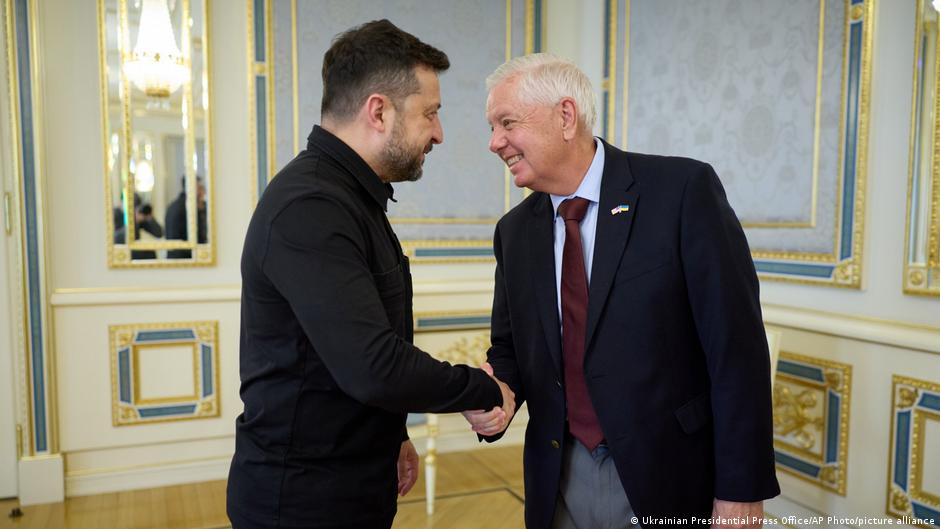
Ukrainian President Volodymyr Zelensky thanked Trump for signing the measure and praised lawmakers in both chambers of Congress who supported it. Writing on Telegram, Zelensky said the law was an important step in increasing pressure on Moscow to end the war.
“Senator Graham never doubted for a moment that America had enough strength to fight dictators and achieve results if it acted correctly,” Zelensky wrote.
The legislation, HR 5334, was introduced in April 2025 by Republican Senator Lindsey Graham and Democratic Senator Richard Blumenthal. Over time, Graham’s name became closely associated with the package, partly because Trump preferred to discuss the initiative with his fellow Republican. Media and the public came to refer to it as the Graham bill, and its measures as Graham sanctions.
The original proposal envisaged customs duties of up to 500 percent on Russian products while Moscow continued the war against Ukraine and refused peace dialogue. Under that version, the US president would periodically assess whether Russia was ready for talks and, if not, impose sanctions. The scale of the proposed duties led supporters and commentators to call them “hellish” sanctions.
The measures were also intended to affect products from countries buying Russian oil. But the tariff ceiling for importers of Russian oil was later reduced to 100 percent, a change that may still prove severe enough to affect supply chains and pricing assumptions across Europe.
Broad powers for the White House
Trump alternated during the debate between supporting and opposing the Graham-Blumenthal initiative. By the time he signed it, the bill had been substantially revised and had expanded presidential authority. Graham himself did not live to see its passage; the senator died on July 11, 2026.
In its final form, the law gives Trump the power to decide whether to impose or lift the measures set out in the bill. That differs from the usual practice under which similar actions would require coordination with the US Congress. The legislation also allows Trump to use its provisions in the continuation of his trade war against China.
That concentration of authority has drawn criticism from Democrats. House Democratic minority leader Hakeem Jeffries warned that tariffs imposed around the world could raise costs for American households.
“Life in the United States is too expensive. Why should Congress or the House of Representatives give the president unlimited authority to impose new tariffs around the world that will have negative economic consequences for the American people? I cannot do that,” Jeffries said.
For European policymakers, the key question is how aggressively Trump will use the new authority. A targeted approach against sanctions evasion networks could strengthen Western pressure on Moscow while limiting collateral damage. A broader tariff campaign, especially if linked to China or major energy buyers, could unsettle markets, complicate EU trade diplomacy and feed through to currency moves, including sterling.
Supporters of the bill argue that it sends an important signal of support for Ukraine at a time when the intensity of fighting is increasing. For Britain and the EU, that signal comes with commercial consequences: higher compliance burdens, possible energy price swings and renewed market attention on the cost of sustaining pressure on Russia.