Merz Says Era of Unconditional Transatlantic Friendship May Be Over
The German chancellor framed strains with Washington as a strategic opening for Europe, with implications for UK firms, sterling and London investors.
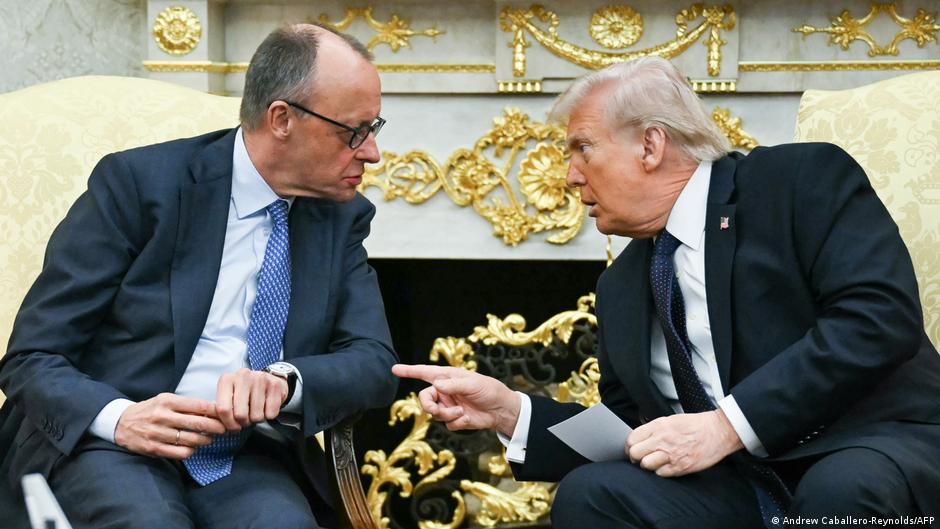
German Chancellor Friedrich Merz has warned that the era of “unconditional transatlantic friendship” may be over for the long term, a signal that will be closely watched in London and across European markets as companies assess the cost of a more uncertain US-European relationship.
Speaking at a Christian Democratic Union election event in Berlin on Thursday, September 17, Merz said political attitudes in the United States toward the transatlantic alliance had changed in ways Europe might once have found hard to imagine. The remarks, reported by dpa, came against the backdrop of a sharp deterioration in relations between Berlin and Washington under US President Donald Trump.
“We are observing on the other side of the Atlantic a change in political approaches and in the assessment of the transatlantic alliance that we perhaps could not have imagined,” Merz said.
For British and European business, the comments add to an already complex outlook. Companies with supply chains, energy exposures and defence interests across the UK, Germany and the wider European Union are operating in an environment shaped by trade tensions, higher security spending and geopolitical risks stretching from Ukraine to the Strait of Hormuz and the Red Sea.
The statement also lands in a market context in which sterling-sensitive investors typically pay close attention to signs of division between Washington and Europe. No specific London market moves were cited in the source account, but the political message from Berlin is relevant for the City because Germany remains central to European industrial output, EU fiscal debates and the region’s defence procurement cycle.
Trade, Defence and Sterling Sensitivities
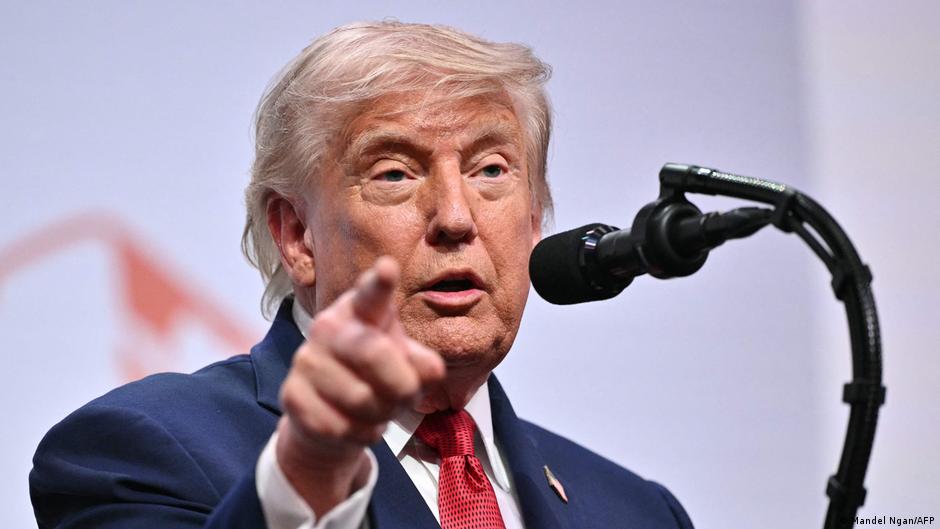
The deterioration in relations has been linked to disagreements over the US and Israeli war against Iran and to trade wars launched by the White House. At the start of Trump’s second presidential term, he had treated Merz favourably, according to the account. Relations worsened after Merz refused to support the United States in the war with Iran. Trump subsequently criticised the German authorities, including by attributing false statements to Merz.
For the UK, which sits outside the EU but remains deeply exposed to European demand, the tone from Berlin matters. A weaker transatlantic consensus can affect expectations around tariffs, export orders, defence collaboration and investment flows. Sterling often reacts not only to domestic UK data but also to shifts in the broader European growth and security outlook, particularly when they affect risk appetite and expectations for cross-border capital allocation.
Earlier in September, Trump congratulated the far-right Alternative for Germany party on its victory in regional elections in Saxony-Anhalt. That was described as another gesture of support from Washington for German right-wing populists, support that had previously drawn criticism in Berlin. German officials reacted with irritation after Trump praised the AfD following its convincing victory in the state parliament election.
Metin Hakverdi, the German government’s coordinator for transatlantic cooperation, said Germans were capable of deciding for themselves how to handle migration and whom to elect. “We do not need advice from the White House on this,” he said.
Such political friction has business consequences. For European corporates, it raises questions about policy continuity, US market access and the dependability of Washington as a security partner. For UK investors, it also sharpens the distinction between short-term market pricing and longer-term strategic positioning, particularly in sectors such as aerospace, defence, shipping, energy and industrial manufacturing.
Germany Sees Opportunity in the Strain
Merz did not present the strain with Washington only as a risk. He argued that the tensions now visible between Europe, including Germany, and the United States create opportunities Germany should not miss. Berlin, he said, must use the moment to take greater responsibility for its own security and development. He pointed in particular to the federal government’s significant increase in defence spending.
That message will resonate beyond Germany. The UK government and British defence companies are already operating in a European environment where higher military spending has become a core policy issue. If Germany continues to expand defence commitments, London-listed suppliers, contractors and investors will be watching for procurement decisions, industrial partnerships and EU-level coordination that may shape the sector’s commercial outlook.
Merz also said he saw signs of economic recovery in Germany after several years of stagnation. According to forecasts he cited, Germany’s economy is expected to grow by about 1.3 percent in 2026. “We have emerged from this valley of a shrinking or stagnating economy,” the chancellor said, while adding that the country still needs reforms.
That forecast is significant for the UK and Europe because Germany’s economic performance remains a benchmark for the region’s manufacturing and export health. A recovery in German output could support demand across European supply chains, including British firms that sell into EU markets or depend on German industrial customers. At the same time, the need for reforms suggests Berlin does not view the rebound as secure without further policy changes.
Later on Thursday, German government spokesman Stefan Kornelius said Merz and Trump had held a telephone call that Berlin had earlier postponed. According to Kornelius, Merz discussed the “next steps to end” Russia’s war against Ukraine, welcomed the US Congress’s adoption of a sanctions package against Russia initiated by Senator Lindsey Graham, and addressed shipping problems in the Strait of Hormuz and the Red Sea caused by the war in Iran.
The chancellor also recalled the September 11, 2001, terrorist attacks, whose anniversary had originally been the occasion for the call between the two leaders. Berlin had postponed the conversation the day before it was due to take place, without giving reasons and without setting a new date at the time.
For businesses and investors, the episode underlines the practical challenge of planning around a transatlantic relationship that is no longer assumed to be stable by default. Merz’s remarks suggest Berlin is preparing for a Europe that carries more of its own security burden, manages greater friction with Washington and tries to turn geopolitical pressure into domestic economic renewal. For London, that makes German policy not merely a continental issue, but a factor in sterling sentiment, sector rotation and the broader investment case for Europe.