Fed Raises Rates for First Time in Three Years as London Watches Sterling
The US central bank lifted its benchmark rate to 3.75-4%, adding pressure to UK and European markets already exposed to dollar strength and energy-driven inflation.
The US Federal Reserve has raised its benchmark federal funds rate for the first time in three years, a move that is set to reverberate through London and European markets as investors reassess the path of borrowing costs, inflation and sterling against the dollar.
The Federal Open Market Committee voted unanimously to increase the rate by 25 basis points, taking the target range to 3.75-4% annually. The decision was announced on Wednesday evening, September 16, and was justified by the central bank as a necessary response to persistent inflation in the United States.
For UK and European businesses, the shift matters well beyond Wall Street. A higher US rate typically supports the dollar, raising the cost of dollar-denominated imports, commodities and funding for companies across Britain and the European Union. Sterling-sensitive sectors in London, including retailers, airlines and manufacturers exposed to imported energy and raw materials, will be watching closely for any further upward pressure on the US currency.
The rate rise marks a turning point after a period of monetary easing. Before this move, the Fed had cut rates three times in 2024 and three times in 2025, according to Interfax. All 12 members of the Federal Open Market Committee backed the increase, underscoring the breadth of concern inside the US central bank over inflation that has remained above target.
Inflation Fight Returns to the Foreground
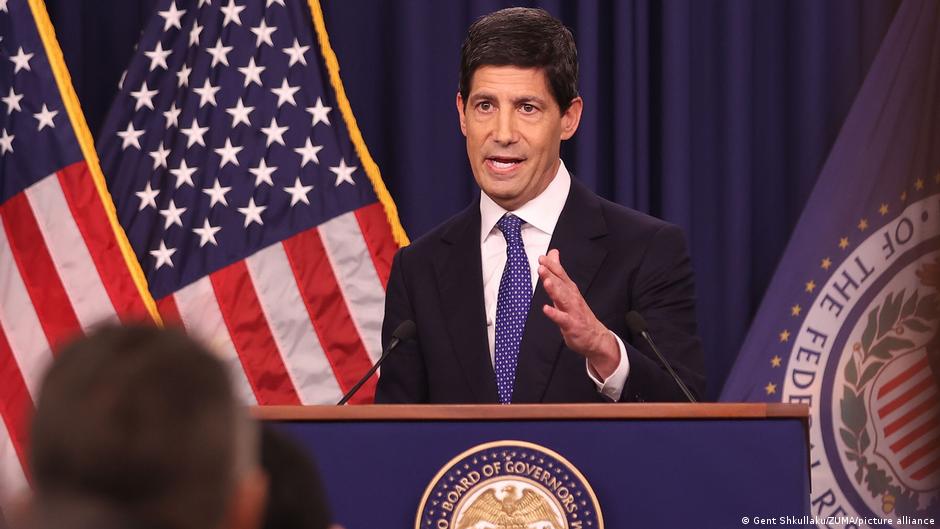
Fed chair Kevin Warsh said the decision reflected the central bank’s core obligation to restore price stability. Speaking at a press conference, he made clear that policymakers viewed inflation as too persistent to ignore.
“Our main focus within our mandate is directed at ensuring price stability. Quite simply, inflation is too high, and this has continued for too long. That is a fact.”
Unlike the European Central Bank in Frankfurt am Main, the US Federal Reserve has a dual mandate: to ensure price stability and support a strong labour market, as AFP explained. That distinction is important for European investors trying to compare the response functions of the world’s largest central banks. While the ECB’s mandate is centred on price stability, the Fed must weigh inflation against employment conditions, making its shift toward tightening a notable signal.
Warsh said at the September 16 press conference that US inflation had exceeded the 2.0% target for five years. In July and August of this year, it stood at 3.4%. For British firms, that figure feeds into broader expectations for global rates and currency moves. If US inflation remains sticky, markets may price in a longer period of elevated American borrowing costs, potentially keeping pressure on sterling and European currencies.
The implications for the City of London are immediate. UK-listed multinationals with significant dollar revenues may benefit from currency translation effects if the dollar strengthens, but domestic-facing businesses can face higher input costs. Banks and insurers will also be attentive to changes in yield curves, while property and infrastructure investors may see renewed scrutiny of financing costs.
Political Pressure in Washington
The decision also comes with a sharp political edge. Kevin Warsh was nominated as Fed chair by US President Donald Trump and took up the role in mid-May. From 2006 to 2011, Warsh served on the Fed’s Board of Governors. He previously worked as a banker at Morgan Stanley, specialising in mergers and acquisitions, and advised Trump on economic policy.
AFP noted that Trump had expected Warsh, as Fed chair, to keep interest rates low. Lower rates would, among other effects, make real estate loans more affordable. Instead, the Fed has now moved in the opposite direction, citing inflation risks that have been intensified by the US and Israeli war against Iran, which has been under way since late February. The conflict has led to a sharp increase in energy prices and, in turn, has fuelled inflation, according to the source account.
That energy link is especially relevant for Europe. UK and EU businesses have spent recent years adapting to volatile gas, electricity and oil prices. Any escalation in global energy costs caused by geopolitical conflict can quickly pass through to transport, production and household bills. A firmer dollar can compound the effect because many energy contracts and commodity benchmarks are priced in dollars.
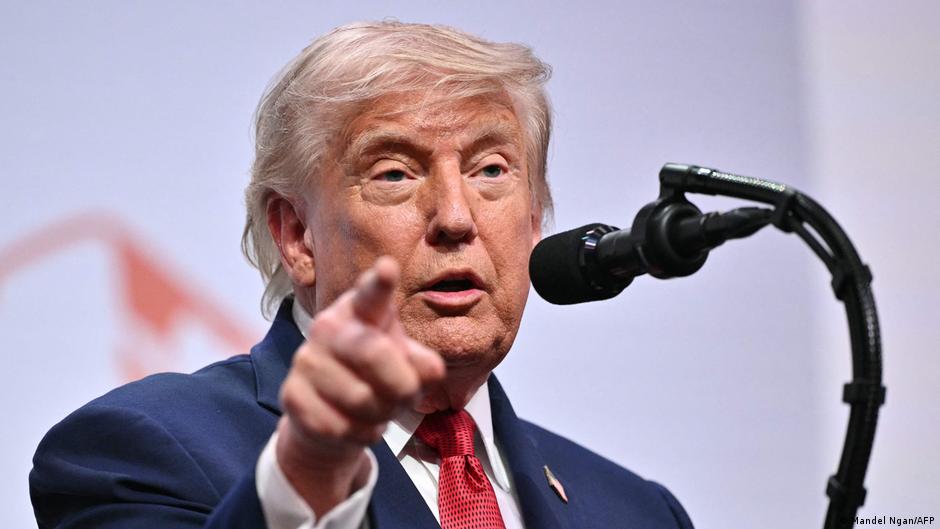
Trump reacted angrily to the FOMC decision, saying it had been driven by “political motives”. Speaking to reporters in North Carolina on September 16, he said Warsh was “a good man” but argued that, however well he performed, he had to deal with hostile leadership.
Trump added that FOMC members were raising the key rate to cause him as much harm as possible, and said they were doing so for political reasons. The accusation places Warsh in a difficult position: appointed by Trump, yet now leading a unanimous committee decision that the president has publicly denounced.
For European policymakers and market participants, the political dispute adds another layer of uncertainty. Central bank independence is closely watched in the UK and EU because credibility over inflation can shape bond markets, currency stability and corporate investment decisions. Any perception that US monetary policy is becoming more politicised may increase volatility in global markets.
London investors will now look for signs of whether the Fed regards this as a single corrective step or the beginning of a tighter policy cycle. For sterling, the immediate question is whether the Bank of England and the European Central Bank will face renewed pressure if a stronger dollar and higher energy costs feed into domestic inflation. For companies planning capital expenditure, acquisitions or refinancing, the message from Washington is clear: the era of easier US money has paused, and global markets must adjust.