Russian Strikes on Kyiv, Odesa and Sumy Add to Europe’s War-Risk Watch
The overnight attacks injured children in Kyiv and Odesa and killed one person in Sumy, keeping Ukraine risk in focus for UK and EU investors.
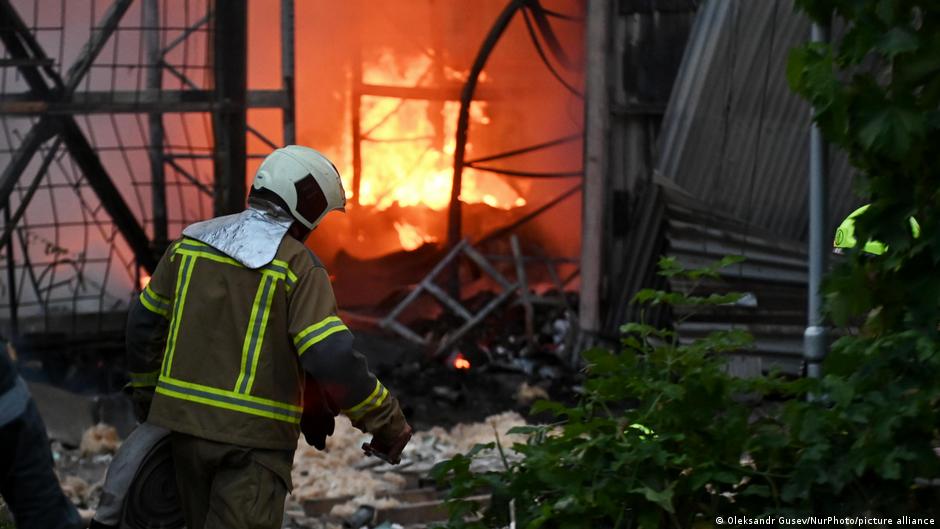
Russia launched an overnight missile attack on Kyiv and struck other Ukrainian cities, injuring children and damaging civilian and commercial buildings in incidents that will keep the war’s direct economic and security risks high on the agenda for British and European policymakers, investors and companies exposed to the region.
In Kyiv, at least 12 people were injured as a result of Russian strikes in the early hours of Thursday, 17 September, according to the city’s mayor, Vitali Klitschko, who reported the toll on Telegram. The injured included children aged 10 and 12. Klitschko said nine of the injured were in hospital.
Kyiv’s city military administration had earlier said on Telegram that the 10-year-old child injured in the Russian attack was a girl. The city authorities also reported damage by morning to warehouse premises in the Solomianskyi and Dniprovskyi districts of the Ukrainian capital. In the Dniprovskyi district, a residential building was also damaged, according to the city administration.
The reports came as Ukraine’s air force said on Telegram during the night of 17 September that missiles were moving towards Kyiv. For London and EU capitals, the attack was another reminder that the conflict continues to threaten not only Ukraine’s civilian infrastructure but also the wider European risk environment in which energy, defence, insurance and currency markets operate.
London and European investors keep Ukraine risk in view
The source reports did not provide financial market figures or direct statements from UK or EU officials. Even so, attacks on Kyiv, Odesa and Sumy are closely watched in European business circles because the war remains a core geopolitical variable for the region. UK companies and investors track such developments for their implications for energy security, defence spending, logistics, insurance exposure and the broader risk premium attached to European assets.
Sterling-sensitive investors in London typically assess Ukraine-related escalations through several channels: the potential impact on European gas and power markets, the outlook for government borrowing and defence procurement, and shifts in risk appetite that can affect the pound against major currencies. The latest reports from Ukraine contained no explicit market reaction, but the incidents add to the context in which London desks and EU policymakers evaluate regional stability.
Kyiv’s Dniprovskyi district saw damage to the glazing and facade of a three-storey office building, according to Klitschko. Windows were blown out in several residential buildings. In the Sviatoshynskyi district, Klitschko said a non-residential building was damaged.
Ukraine’s State Emergency Service also reported damage in Kyiv’s Holosiivskyi district, where the facade and glazing of a four-storey university building were affected. The educational institution was not named. According to the emergency service statement, there were no deaths or injuries as a result of that incident.
“Nine of the injured are in hospitals,” Klitschko said in his Telegram post, according to the Russian-language source account.
The damage profile described by Ukrainian officials included warehouses, offices, residential buildings, a non-residential structure and a university building. That mix matters for European business readers because it illustrates the recurring exposure of civilian and commercial infrastructure in Ukraine’s major cities. Such attacks can disrupt local supply chains, raise reconstruction needs and shape the priorities of international financial support for Ukraine.
Odesa and Sumy report child casualties
In Odesa, the head of the city military administration, Serhiy Lysak, said at least three people were injured as a result of a Russian attack on the city. The injured included a four-year-old child. “All are receiving the necessary medical assistance,” the post said, according to the source text.
Lysak had earlier reported that a multi-storey building in Odesa was damaged in the Russian attack. Odesa remains significant for European audiences because of its role as a Black Sea city and its broader connection to trade, ports and regional logistics, although the source article did not provide details on port infrastructure or commercial disruption from this specific attack.
In Sumy, the toll was more severe. The previous evening, Ukraine’s State Emergency Service reported that Russian air strikes killed one person and injured nine others, including two children. The emergency service said private residential houses, outbuildings and civilian cars were destroyed and damaged as a result of attacks using guided aerial bombs.
The reported casualties across the three cities included children in each affected area: two in Kyiv, one in Odesa and two in Sumy. The source article did not name the victims or provide further details about their conditions beyond the statements that medical assistance was being provided and that nine injured people in Kyiv were in hospital.
For the UK and the European Union, the attacks land against a backdrop of continued support for Ukraine and persistent concern about the wider costs of Russia’s war. European businesses have had to adapt to sanctions, energy-market volatility, altered trade routes and heightened defence and cybersecurity spending since the full-scale invasion began. Fresh strikes on Ukrainian cities reinforce the sense that those pressures remain live rather than historical.
The overnight attack on Kyiv, together with the strikes on Odesa and Sumy, also underscores the humanitarian dimension behind the economic and market calculations. Civilian buildings were reported damaged, children were among the wounded, and one person was killed in Sumy. For London markets and European boardrooms, the immediate figures may not yet translate into a quoted market move in the source material, but they add to the risk landscape shaping decisions on investment, supply resilience and public spending across the region.