US Charges Russians Over Alleged Terror Financing Network Targeting Ukraine Allies
The indictment alleges a Russian-linked network funded attacks in Europe and plotted assassinations, raising security concerns for Britain and EU markets.
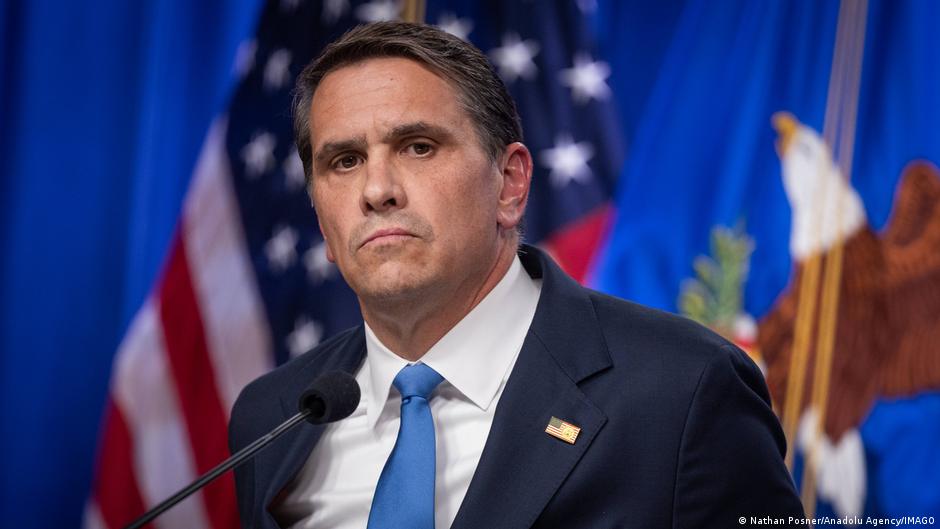
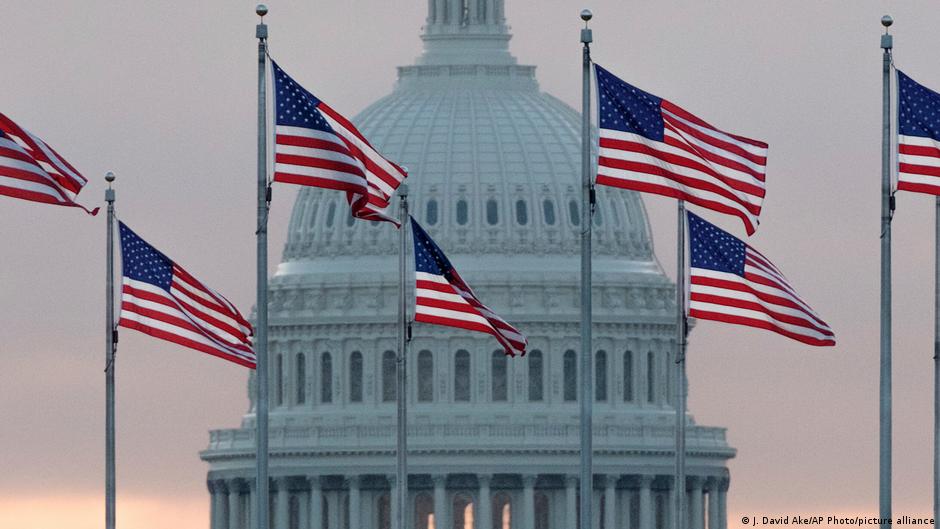
US prosecutors have charged several Russian citizens and alleged associates with financing terrorism and conspiring to carry out contract killings around the world, including in the United States, in a case likely to sharpen concerns in London and across Europe over Russian covert activity aimed at countries supporting Ukraine.
According to the US Department of Justice, the charges were filed in the Southern District of New York and announced in a press release on Tuesday, September 15. Prosecutors allege that the defendants worked for Russian intelligence services through a global assassination network known as RIS Network.
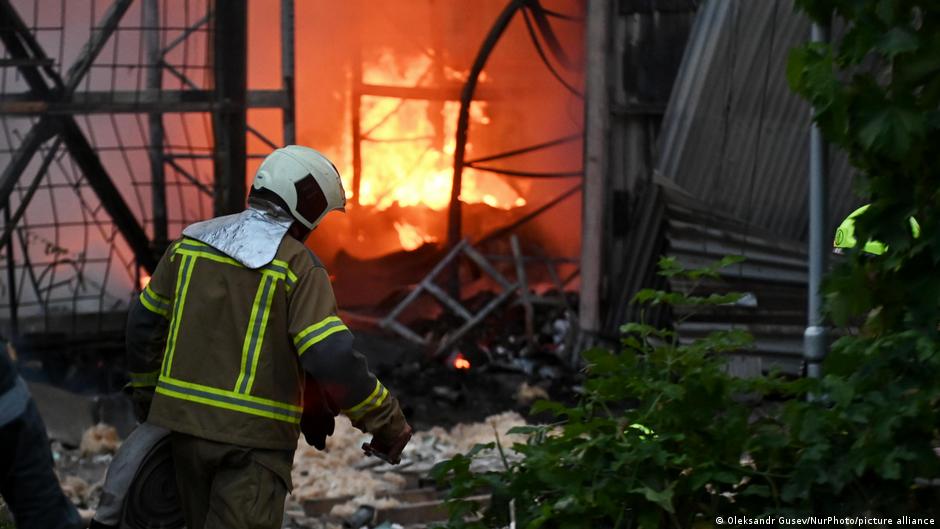
The allegations are significant for Britain and the European Union because US authorities say the network instructed accomplices to carry out, or attempt to carry out, terrorist attacks against civilian and military infrastructure in European countries that support Ukraine or are regarded as supporting it. The case therefore points directly to the security risk facing Ukraine’s Western allies, including states whose financial, military and diplomatic backing for Kyiv has made them potential targets of Russian-linked operations.
The indictment, as described by US prosecutors, alleges that the accused paid people in the US and other countries to conduct preliminary surveillance and carry out targeted killings. The Federal Bureau of Investigation took part in the inquiry.
US prosecutors allege the defendants sought to recruit US citizens and foreign nationals to commit killings on behalf of the Kremlin.
John Eisenberg, the assistant attorney general for national security, said the defendants tried to recruit both Americans and foreigners for killings ordered on behalf of the Kremlin. US authorities also allege that RIS Network operated on American territory as well as internationally.
European Security Risk Comes Into Focus
For UK and EU policymakers, the case is likely to reinforce existing worries that Russia’s confrontation with Ukraine’s allies is not confined to the battlefield or to cyber operations. The Justice Department’s description of alleged plans targeting civilian and military infrastructure in European countries puts the issue squarely in the realm of national resilience, transport, energy, defence supply chains and public safety.
London has a particular interest in the case because of the UK’s long-running exposure to Russian intelligence activity and its role as a financial centre whose markets are sensitive to geopolitical risk. While the US announcement did not cite Britain as a target, the broader allegation that Ukraine-supporting European countries were in focus is likely to be read closely by British security officials, investors and companies with operations across the continent.
The case also lands against a backdrop of heightened scrutiny of Russian assets, sanctions enforcement and the financing of hostile activity. Any evidence, tested in court, that a Russian-linked network used payments to support terrorism or assassinations would add pressure on Western governments to tighten monitoring of cross-border financial flows. For the City of London, that can translate into renewed attention on compliance costs, sanctions exposure and reputational risk for institutions handling clients with links to Russia or high-risk jurisdictions.
Sterling’s reaction to geopolitical security cases is usually indirect rather than immediate, but the allegations touch several channels watched by currency traders: European security risk, defence spending expectations, energy infrastructure vulnerability and the durability of Western support for Ukraine. A perception of higher risk in Europe can weigh on regional assets, while any sign of firmer transatlantic coordination on sanctions and security may support safe-haven positioning rather than risk appetite.
Defendants Named By US Authorities
The Justice Department identified three of the accused as senior figures inside RIS Network. They include Yuri Khrameev, also known by the nickname “Colonel Yuri”, described by US authorities as a former colonel in Russian intelligence services who participated in recruiting people to carry out killings of Russian dissidents.
His son, Kirill Khrameev, is described by US prosecutors as an officer of Russia’s Federal Security Service, the FSB. The source article says US authorities allege that Yuri and Kirill Khrameev worked for RIS Network, which, acting on instructions from Russian intelligence services, financed terrorist attacks against countries allied with Ukraine and prepared murders of Russian dissidents.
Another defendant is Oemis Romagoza Durruti, a Cuban living in Russia, who is suspected of coordinating attacks by the network. Also named among those suspected of recruiting people for network assignments are Cuban national Yaidel Delgado Suarez, known as “Viking”, and Venezuelan citizen Angel Eduardo Castro.
According to the Justice Department, RIS Network is a unit of the Russian state apparatus involved in attacks abroad, including killings. US authorities say the network focused on Russian dissidents and defectors and, more recently, on countries regarded as allies of Ukraine.
ABC News, citing US Attorney General Todd Blanche, reported that the charges also concern alleged attempts to murder an unnamed Russian dissident whom the defendants believed to be in Washington, DC. That allegation, if proven, would demonstrate the reach prosecutors attribute to the network, extending from European infrastructure targets to possible operations inside the US capital.
The named defendants face up to 20 years in prison on the terrorism financing charge, according to US authorities. Yuri Khrameev, Suarez and Castro are also charged with conspiracy to commit murder for hire, an offence carrying a potential sentence of up to 10 years. The defendants are currently wanted.
The case remains at the allegation stage, and the charges will need to be tested in court. Even so, the indictment is likely to intensify discussion among British and European officials about the protection of infrastructure, the policing of transnational networks and the financial channels that may enable hostile activity. For markets in London, the immediate question is less about a single court filing than about whether the case signals a broader campaign against Ukraine’s allies, and how forcefully Western governments respond.