EU Says Russia Gave No Peace Signal as Business Risks Persist
Kaja Kallas called for greater pressure on Moscow, leaving British and European businesses facing prolonged geopolitical uncertainty.
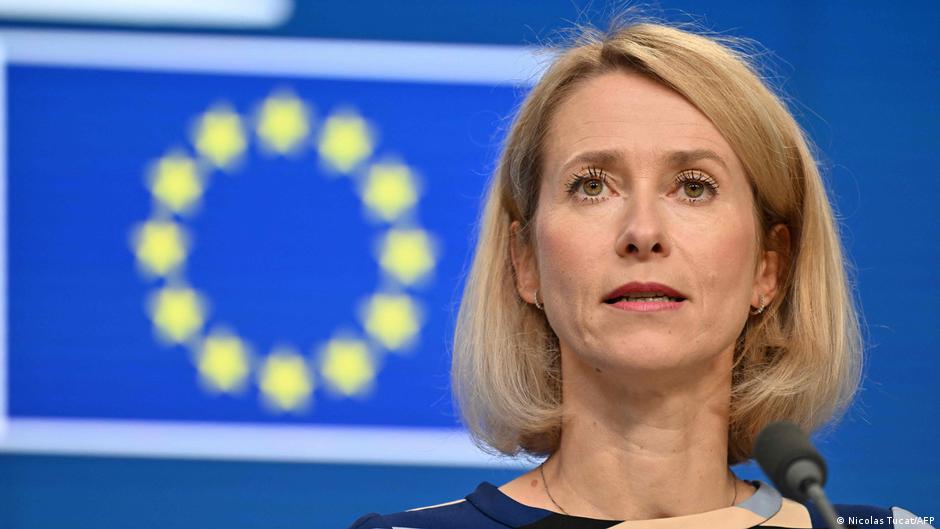
Russia gave no indication that it was prepared to enter meaningful peace negotiations over Ukraine during a meeting of G20 foreign ministers in Atlanta, according to Kaja Kallas, the European Union’s high representative for foreign affairs and security policy.
Kallas said on Friday, October 30, that Russian Foreign Minister Sergei Lavrov had failed to demonstrate Moscow’s readiness to make concessions aimed at ending the war. Her assessment points to continued geopolitical uncertainty for Britain and the European Union, where companies and investors remain exposed to the economic consequences of the conflict and the sanctions imposed on Russia.
Asked by an AFP journalist whether Lavrov had signalled any willingness to compromise, Kallas answered in the negative. She argued that the conduct of the Russian authorities carried more weight than their public statements.
“Even if they claimed the opposite in words, their actions say otherwise,” Kallas said.
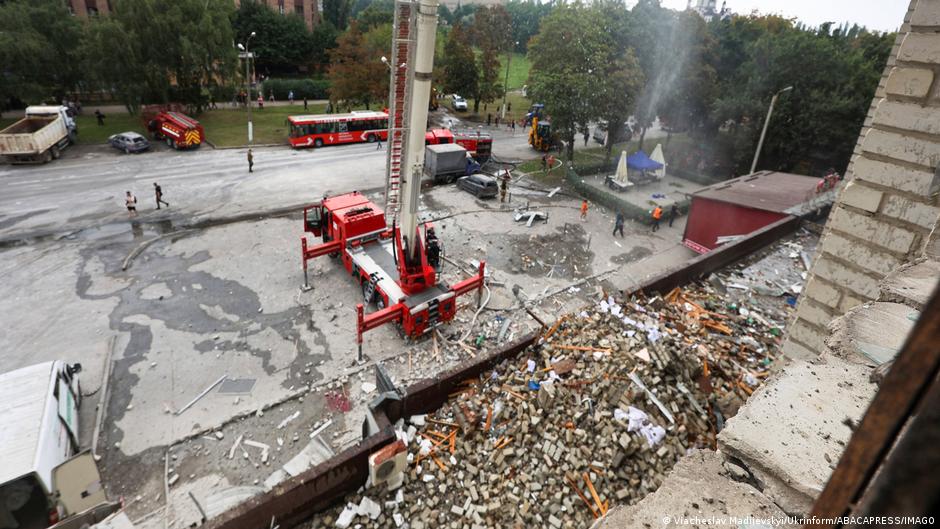
Russia must prove through its actions that it is prepared to negotiate, she added. Kallas also noted that July, August and September had been the deadliest months for Ukrainian civilians, citing the human cost of the continuing conflict as evidence that Moscow’s position had not materially changed.
Pressure campaign remains central to European policy
Kallas accused Lavrov of presenting false and distorted information at the meeting, saying European representatives had subsequently been able to rebut his claims. “Of course, he voiced many lies, many distorted facts, which we were later able to refute,” she said.
The EU foreign policy chief also called for increased pressure on Moscow. Her remarks indicate that European policy is likely to remain focused on coercive measures rather than an early normalisation of economic relations with Russia, unless the Kremlin demonstrates a concrete change in its approach to negotiations.
For British and EU businesses, that position keeps sanctions compliance, supply-chain planning and geopolitical risk firmly on the corporate agenda. Companies operating across European markets have had to account for restrictions involving Russia and for the broader disruption caused by the war. Kallas’s comments offered no sign that those conditions are approaching a rapid resolution.
The diplomatic message is also relevant to London’s financial markets and sterling-sensitive investors, although Kallas did not address currencies, equities or monetary policy directly. The absence of a negotiating breakthrough leaves investors to assess the possibility of a prolonged conflict and continued policy pressure on Moscow. Rather than providing a clear catalyst for a change in market direction, the meeting reinforced the political uncertainty already surrounding European trade, energy security and defence spending.
Britain is outside the EU but remains closely connected to the bloc through trade, finance and security cooperation. A sustained confrontation with Russia therefore carries implications on both sides of the Channel. London-listed companies with European operations may continue to face overlapping sanctions rules and heightened scrutiny of commercial relationships, while movements in sterling will remain sensitive to the wider economic outlook and shifts in investor risk appetite.
European ministers reject return to normal diplomacy
The political distance between Russia and European governments was also reflected in the conduct of other participants at the G20 meeting. German Foreign Minister Johann Wadephul said European foreign ministers had refused to join a group photograph with Lavrov because of the continuing war in Ukraine.
“There are no normal relations with Russia,” Wadephul said.
The German minister acknowledged that contact with Russian representatives remained necessary in order to discuss areas of disagreement. He stressed, however, that such engagement should not create the impression that relations had returned to their customary format.
That distinction is important for European businesses seeking clarity about the future of commercial ties. Diplomatic contact may continue, but European officials are signalling that dialogue alone does not amount to political or economic normalisation. The refusal to participate in the photograph was symbolic, yet it reinforced the same message delivered by Kallas: Russia must demonstrate a change through actions before Europe considers a different course.
For policymakers in Brussels and London, the immediate challenge is to maintain pressure while managing the economic effects of a conflict with no visible negotiating breakthrough. For companies, the practical conclusion is similarly cautious. The G20 discussions did not produce evidence of an easing in tensions, and the outlook for sanctions, investment risk and cross-border commerce remains tied to developments on the ground in Ukraine.
Kallas’s account of the meeting therefore leaves British and European markets without a diplomatic signal that would justify expectations of a near-term settlement. Investors may continue to treat the war as a persistent source of uncertainty, while governments maintain that engagement with Moscow cannot be mistaken for a return to business as usual.