Yaroslavl Refinery Halt Adds Fresh Risk for UK and European Fuel Markets
Damage at one of Russia’s largest refineries has stopped processing and fuel shipments, sharpening concerns over regional supply stress and energy risk.
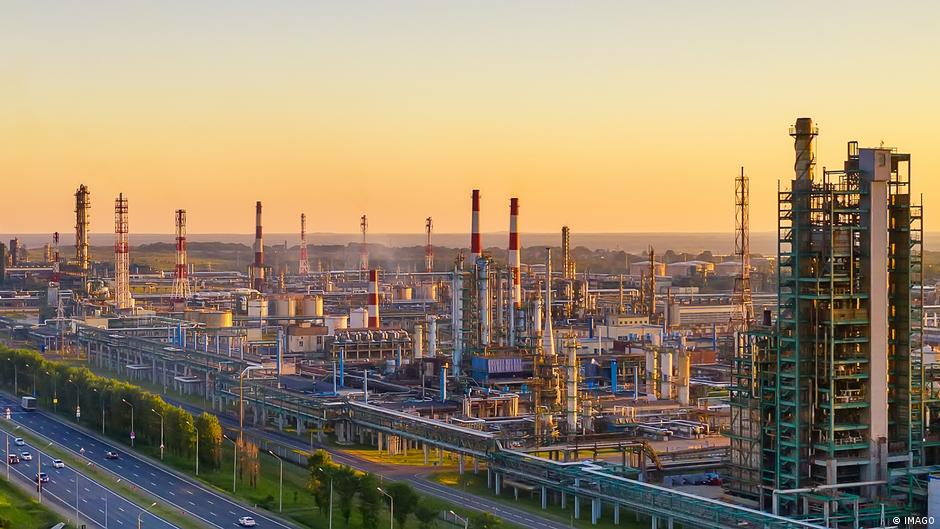
A major Russian oil refinery in Yaroslavl has halted crude processing and fuel shipments after drone attacks damaged key production units, adding another source of uncertainty for European energy traders, London-listed oil names and currency markets already sensitive to supply shocks.
The Slavneft-Yaroslavnefteorgsintez refinery, known as YANOS, is among Russia’s largest refining plants and has supplied fuel to the Moscow region. Reuters reported that the plant stopped processing oil and shipping fuel after another Ukrainian drone attack, citing four industry sources. The incident was reported on Thursday, September 17.
According to the sources cited by the agency, a drone attack overnight on September 17 damaged the AVT-3 crude processing unit, which accounted for 40 percent of the refinery’s capacity. Yaroslavl region governor Mikhail Yevrayev confirmed damage and a fire at the plant, with the blaze taking several hours to extinguish.
YANOS has stopped exchange fuel shipments after the attacks, according to media reports citing industry sources.
The latest disruption follows earlier damage at the same site. Media reports said that overnight on August 28, another unit, AVT-4, was knocked out of service. That unit provided about 33 percent of YANOS capacity and had not resumed operations. After the attacks, the refinery stopped exchange-traded fuel shipments.
Why the outage matters for Europe
For UK and European markets, the immediate issue is not direct dependence on Russian refined products, which has been heavily restricted since Russia’s full-scale invasion of Ukraine. The wider risk is market tightness. Russian domestic shortages can change export behaviour, complicate regional flows and influence expectations in diesel, petrol and crude-linked products. Those expectations matter for European wholesale fuel pricing, inflation assumptions and sterling’s sensitivity to energy costs.
London market participants typically watch refinery outages because they can affect crack spreads, shipping demand and the pricing of substitute barrels. Any sustained disruption at large Russian plants can ripple through global product balances even when sanctions and trade restrictions mean flows are indirect. For the UK, where energy import costs feed into household bills, transport expenses and inflation forecasts, renewed stress in regional fuel markets can become a currency story as well as a commodities story.
YANOS is described in media reports as one of Russia’s top 10 refineries and, by crude-processing volumes, among the five largest Russian refining enterprises. The AVT-3 unit alone was able to process around 17,000 metric tonnes of crude per day. The refinery annually supplied markets with more than 2.6 million tonnes of gasoline and 4 million tonnes of diesel, while also supplying fuel to the Moscow region.
The Yaroslavl refinery has been hit repeatedly by Ukrainian drones since the start of Russia’s full-scale war against Ukraine. In 2026, fires occurred at the facility at least eight times. The plant’s stated capacity is 15 million tonnes of crude oil per year.
Second major refinery disruption in September
YANOS is the second major refinery in the region to suspend operations in September because of the consequences of drone attacks. Since September 6, fuel has not been shipped from Rosneft’s refinery in Ryazan, which has capacity of 17 million tonnes of crude per year.
The repeated strikes on Russian refining infrastructure have already contributed to a summer fuel crisis inside Russia. The Kremlin and President Vladimir Putin have acknowledged the problem only reluctantly. Putin has described fuel difficulties as “temporary” and said attacks on refineries were not capable of influencing events on the front.
Data from Gdebenzin, a service aggregating websites and services linked to fuel searches in Russia, indicated that in mid-September AI-92 and AI-95 gasoline was absent from roughly half of the country’s filling stations. The figures fluctuated from day to day, but a chart cited by Novaya Gazeta Europe showed that acute fuel shortages in Russia had continued since mid-August.
Against that backdrop, Dmitry Peskov, spokesman for the Russian president, spoke positively in mid-September about U.S. President Donald Trump’s idea of an “energy truce” that would involve an end to Ukrainian attacks on Russian refineries. Asked whether Russia would in return be ready to stop strikes on Ukrainian infrastructure, Peskov did not answer.
For European policymakers, the pattern reinforces a difficult balance. Ukraine’s strikes are targeting infrastructure central to Russia’s war economy, while Europe remains exposed to the secondary market effects of refinery outages, shipping disruption and energy price volatility. For the UK, the financial-market channel is especially relevant: sterling can come under pressure when energy-driven inflation risks rise, and London-listed energy stocks can move as traders reassess supply risk and refining margins.
The Yaroslavl halt does not by itself establish a new European supply shock. But it adds to a sequence of refinery disruptions that have already strained Russian fuel availability and made energy risk harder to price. With another large refinery offline and no clear timetable for full restoration at YANOS, traders in London and across Europe will be watching whether Russia’s domestic shortages deepen and whether the pressure begins to show up more visibly in regional fuel benchmarks.