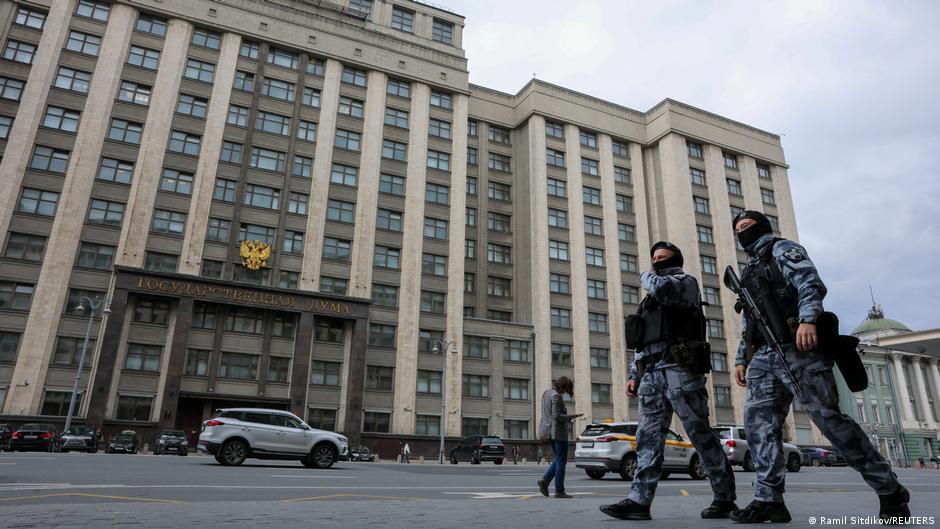
Russian Strikes Kill Four in Ukraine as UK and EU Watch War Risk
Attacks in Kherson, Sumy, Odesa and Kyiv regions underscored the security risk that continues to shape European business sentiment.
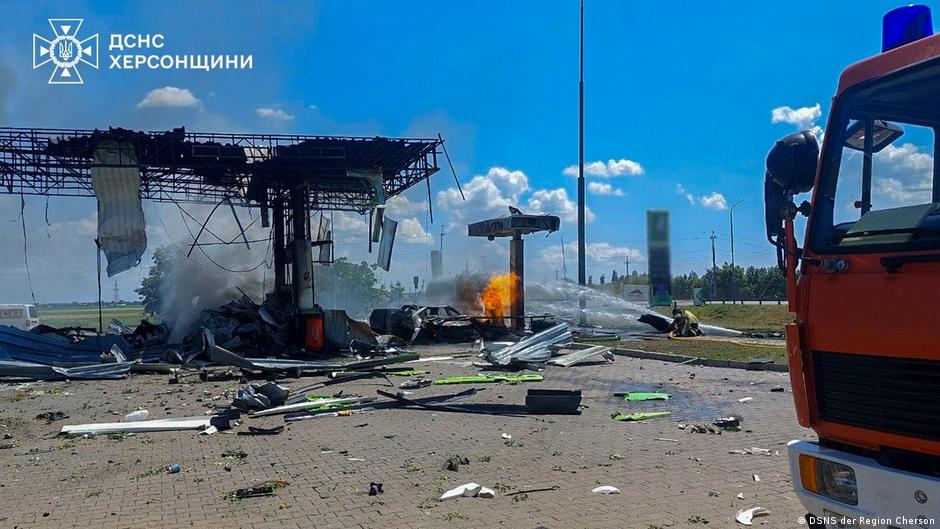
Four people were killed in Ukraine after a new wave of Russian attacks hit southern, northern and central regions, adding to the conflict risks closely watched by UK and European businesses with exposure to energy, logistics, insurance and emerging-market assets.
Two people died in the Kherson region after a Russian drone strike, while at least two more were killed in Sumy after what local reports described as a guided aerial bomb strike on a residential building. Odesa was also hit repeatedly, including a second strike on the same administrative building after emergency crews had arrived at the scene.
The attacks, reported by regional authorities and emergency services, took place on Friday, September 18, and overnight into Saturday, September 19. They came against a backdrop in which the war remains a persistent factor for European corporate planning, from Black Sea trade flows to defence spending, energy security and currency risk. For London markets, the immediate relevance lies less in a single incident and more in the cumulative pressure created by repeated strikes on civilian and administrative infrastructure in Ukraine.
Deaths Reported in Kherson and Sumy
In the Kherson region, two people were killed in the village of Tekstylne after a Russian unmanned aerial vehicle struck on Friday evening. Oleksandr Prokudin, the head of the regional military administration, said the incident occurred at around 6 p.m.
“As a result of the enemy drone strike, two men sustained injuries incompatible with life,” Prokudin wrote on Telegram.
Throughout the evening, Prokudin repeatedly reported air-raid alerts in the region, including warnings linked to suspected Russian launches of guided aerial bombs. Kherson city also saw an attack on one of its hospitals on September 18, when a drone dropped explosives on the grounds of the facility. No casualties were reported in that incident.
Later on Friday, the city of Sumy came under Russian attack. One projectile hit a multi-storey residential building, with reports indicating it was a guided aerial bomb. The blast damaged several apartments, and the building partially collapsed. According to preliminary data from local authorities, at least two people were killed and seven others were injured.
Odesa Hit Twice as Emergency Services Respond
Ukraine’s State Emergency Service in the Odesa region also reported the consequences of Russian attacks on September 18. A strike hit an 11-storey administrative building, triggering a fire. After some time, while emergency services were working at the scene, the same building was attacked again.
Ten people were reported injured in the Odesa incident, including two rescuers. The reported second strike on a site where emergency personnel were already operating will draw particular attention among European policymakers and risk analysts, given its implications for civilian protection, emergency response and the resilience of urban infrastructure.
Odesa was attacked again overnight into September 19. After an air-raid alert was declared in the city and reports emerged of incoming Russian small missiles, local residents posted footage on social media showing a fire that had started in a residential building inside the city. Initial details about that incident were not provided.
For UK and EU businesses, Odesa remains strategically significant because of its role in Black Sea trade and Ukraine’s export infrastructure. The source reports did not provide details on port facilities or commercial losses from the latest attacks, and no immediate sterling or London-listed market moves were cited. Still, repeated strikes on the city reinforce the wider risk premium attached to the region.
Kyiv Region Warehouses Damaged
The military administration of the Kyiv region also reported damage from Russian strikes on the evening of September 18. Tymur Tkachenko, the head of the regional military administration, said two men were injured in the Bucha district after warehouse premises were hit. Warehouse facilities were also damaged in the Boryspil district.
The damage to storage sites in the Kyiv region is another reminder of the war’s continuing impact on supply chains and commercial property. For European companies operating in or around Ukraine, such incidents contribute to higher operational uncertainty, including insurance costs, transport disruption and the need for contingency planning.
The latest attacks did not come with any reported official figures on broader economic damage, currency movement or trade disruption. For sterling investors and London market participants, however, Ukraine-related developments remain linked to several channels: European energy prices, defence and reconstruction spending, sanctions policy, grain and shipping routes, and investor appetite for risk across the region.
Britain and the European Union have both treated Ukraine’s security as a central strategic and economic issue since Russia’s full-scale invasion. Each new round of strikes on residential buildings, hospitals, administrative facilities and warehouses adds to the long-running pressure on public budgets and private-sector risk models. The incidents reported in Kherson, Sumy, Odesa and the Kyiv region show that the war’s costs remain immediate for civilians in Ukraine while continuing to carry financial and policy consequences across Europe.