Hundreds of Ukrainian drones strike Moscow region, killing two
The reported attack disrupted Moscow-area airports and raised fresh concerns for UK and European businesses watching Russian energy and logistics risks.
Two people were killed and at least six others were injured after a large-scale Ukrainian drone attack on the Moscow region, according to regional governor Andrei Vorobyov, in an incident likely to be monitored closely by UK and European companies exposed to energy, logistics and wider geopolitical risk.
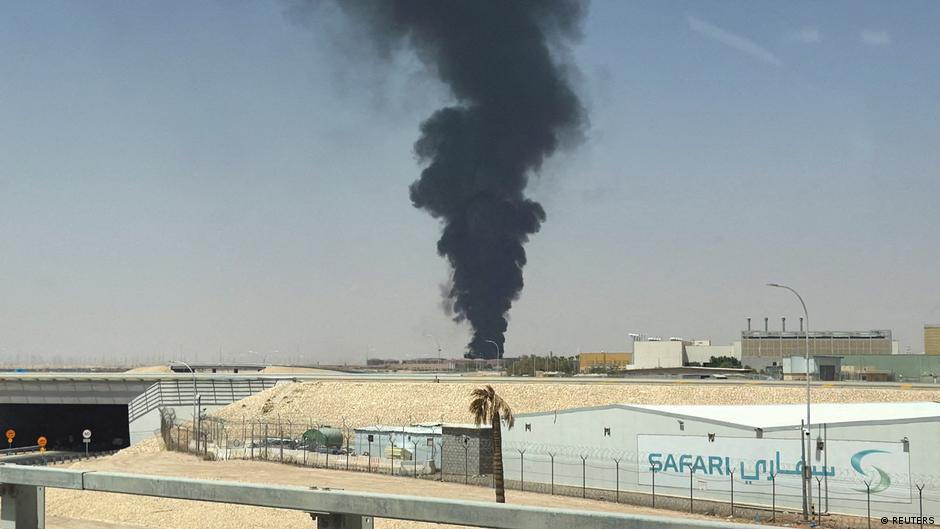
Vorobyov wrote on Telegram on Sunday morning, September 20, that 249 Ukrainian unmanned aerial vehicles had been shot down over the region. The attack, as described by Russian officials and local reports, struck residential buildings, a warehouse complex and infrastructure sites around Moscow and its surrounding districts.
The governor said a warehouse complex caught fire in Sofyino after the attack. The anonymous Telegram channel VChK-OGPU claimed that a logistics complex of about 850,000 square metres there was fully engulfed in flames. Vorobyov also said drones had hit and caused fires in three apartment buildings and one private house.
Two people were killed and at least six were injured in the mass drone attack in the Moscow region, according to the regional governor.
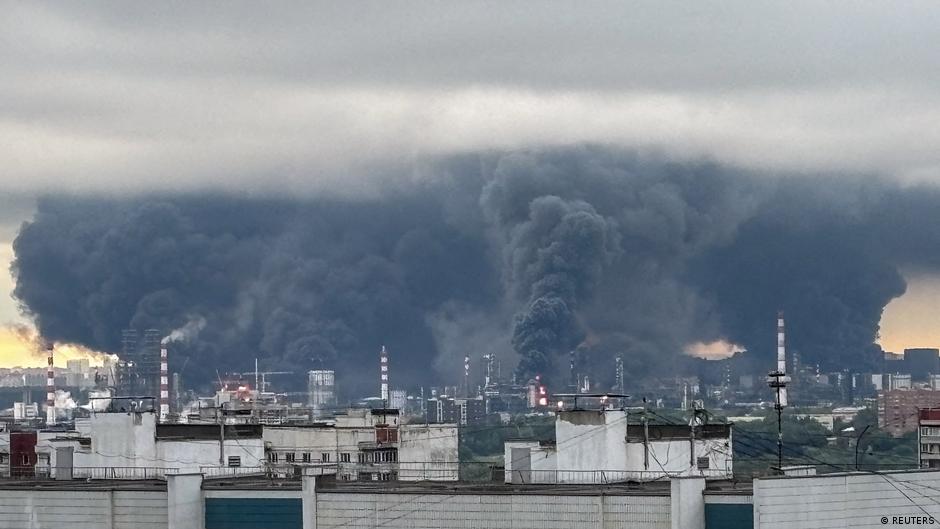
Moscow Mayor Sergei Sobyanin separately reported that 186 drones had been shot down on approach to Moscow. He said an object on the territory of the Moscow oil refinery had been damaged, adding that there were no casualties there.
According to VChK-OGPU, the oil refinery in Moscow’s Kapotnya district was burning. The same refinery had already been attacked in June, according to the source article. Reports of damage to refining and logistics assets around the Russian capital will be watched by European market participants because Russian energy infrastructure remains central to assessments of war risk, sanctions exposure and regional supply disruption.
Airport disruption adds to business risk picture
The attack also affected Moscow’s aviation network. Operations were suspended at the capital’s Vnukovo, Domodedovo and Zhukovsky airports, according to the source account. Such stoppages, even when temporary, are relevant for companies tracking cargo reliability, insurance exposure and the operational impact of drone warfare on major urban and transport hubs.
For British and EU businesses, the immediate commercial significance lies less in direct trade with sanctioned Russian entities and more in the broader risk signal. Attacks on refineries, power facilities and logistics sites can influence expectations around energy security, freight routing, insurance costs and the geopolitical backdrop that often feeds into currency and equity-market sentiment.
The source report did not provide details of any immediate reaction in sterling or London-listed markets. However, incidents involving Russian energy infrastructure are routinely assessed by investors alongside oil-price risk, sanctions policy and the outlook for European industrial costs. For UK firms, the pound’s sensitivity to energy prices and risk appetite means such events may become part of a wider market narrative even when the direct operational exposure is limited.
Additional reports described strikes or damage in several locations around the Moscow region. VChK-OGPU claimed drones attacked a thermal power plant in Lyubertsy and that a UAV hit a residential building in Kotelniki. The Telegram channel Ostorozhno, Novosti, citing local residents, reported a fire at a residential complex in Kotelniki.
In Istra, debris from a drone damaged an apartment in a residential building, municipal district head Tatyana Vitusheva said. The spread of reported damage across residential, energy and logistics locations underscores the expanding urban footprint of long-range drone attacks around Moscow.
Energy infrastructure remains in focus
The reported damage to the Moscow oil refinery is likely to draw particular scrutiny because refining assets have become recurring targets in the conflict. Sobyanin said the damaged object was on the refinery’s territory and that no one was injured there. VChK-OGPU’s account went further, claiming the refinery in Kapotnya was on fire.
The source article did not independently verify the extent of the refinery damage or the warehouse fire. It presented official statements from Moscow and regional authorities alongside claims from Telegram channels, including VChK-OGPU and Ostorozhno, Novosti. The distinction matters for investors and policymakers, as the operational impact of such attacks depends on confirmed damage, downtime and whether fuel production or logistics capacity is affected.
For European policymakers, the episode also fits into a wider pattern of infrastructure pressure around the war. Drone attacks deep inside Russian territory have increasingly touched sites linked to transport, fuel and power generation. Even when the direct supply implications are unclear, the attacks can shape market perceptions of escalation risk.
London’s market response will depend on whether the reported fires translate into measurable disruption and whether energy benchmarks or broader risk assets react when trading absorbs the news. The source article did not cite price moves, company statements or official market commentary. Still, the reported suspension of three Moscow airports, casualties in the region and alleged fires at major infrastructure sites make the attack a significant development for businesses watching the war’s economic spillovers.
The reported death toll stood at two, with at least six injured, based on the governor’s statement. Authorities said hundreds of drones were destroyed over the Moscow region and on the approaches to the capital, while local reports described fires and damage across several districts. The full extent of the damage to logistics, residential and energy sites remained unclear from the available accounts.