US Imposes Permanent Visa Bonds for Citizens of 50 Countries, Excluding Russia
The US Department of State implements a mandatory visa bond up to $20,000 for select countries, impacting international business travel and migration patterns.
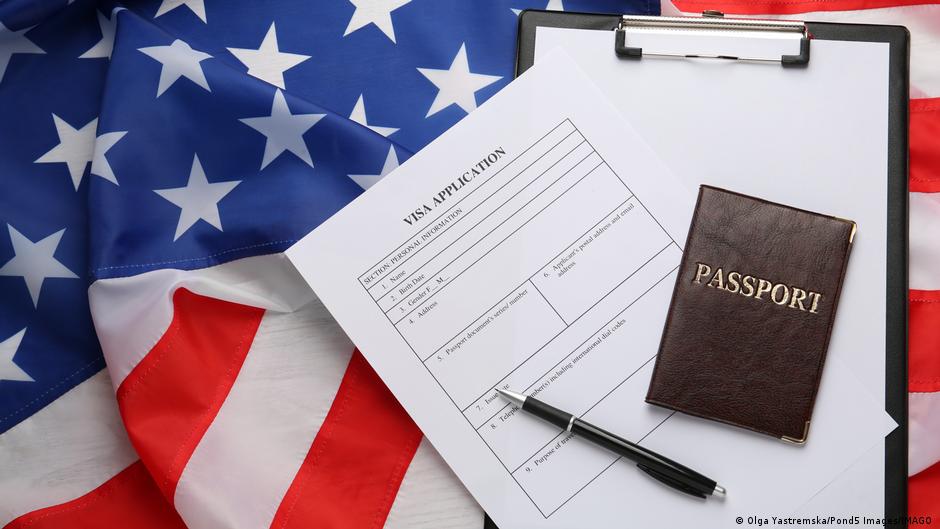
Starting August 3, the United States will enforce a permanent visa bond requirement for citizens of 50 countries, including Georgia, Kyrgyzstan, Tajikistan, and Turkmenistan. This new policy mandates that visa applicants for business and tourist visas (B-1/B-2) may need to deposit a bond of up to $20,000, a significant increase from the prior pilot program. Notably, Russia is not included in this list.
Implications for International Travel and Business
The US Department of State announced the permanent bond after a successful pilot phase. Under the pilot, bonds ranged from $5,000 to $15,000 depending on individual cases. The updated policy removes the minimum bond threshold and raises the maximum to $20,000. The bond is refundable if the visa holder abides by the terms of their stay, departs the US on time, or does not use the visa. Conversely, it is forfeited if the terms are violated.
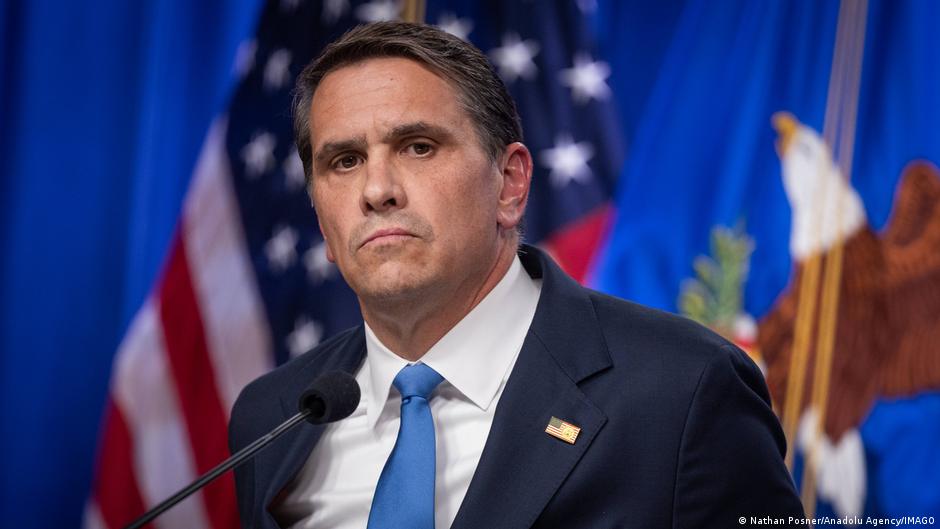
"The bond serves as a tool to reduce visa misuse and overstays among nationals of countries with historically higher rates of violations," a US official explained.
The measure targets countries whose citizens have frequently overstayed or breached US visa regulations. In the 2024 fiscal year, nearly 45,500 cases of overstays were recorded among citizens of the listed countries. During the pilot's first 10 months, fewer than 50 overstays occurred among participants, coinciding with an 83% drop in visa issuances to these nationals.
The list of affected countries spans regions including Africa, Southeast Asia, and Latin America, notably Algeria, Angola, Bangladesh, Cambodia, the Central African Republic, Mongolia, Nepal, Nicaragua, Tunisia, Uganda, Venezuela, and Zimbabwe. The exclusion of Russia suggests a differentiated approach in US immigration policy toward different geopolitical blocs.
Impact on UK and European Business Interests
From a UK and European perspective, these US visa bond requirements could influence business travel dynamics, particularly for companies operating across transatlantic corridors. London-based firms with interests in the affected countries might face increased logistical and financial hurdles when coordinating business visits to the US. The bond represents an upfront capital hold that could deter short-term or frequent trips, potentially slowing down commercial and tourism exchanges.
Moreover, the policy may indirectly affect sterling and European currencies by altering demand for US visas and thus influencing business flows. The increased financial requirements may encourage London and other European financial centres to reconsider risk assessments and client advisory services related to US travel.
Financial markets in London showed cautious reactions following the announcement. Analysts suggest that the policy underscores the US government's tightening stance on immigration controls, which could encourage the UK and EU to assess their own visa and bond frameworks to remain competitive in attracting global business.
Overall, while the measure aims to curb visa abuse, it also signals the evolving complexities of international travel compliance, with significant implications for UK and European stakeholders engaged in transatlantic commerce.