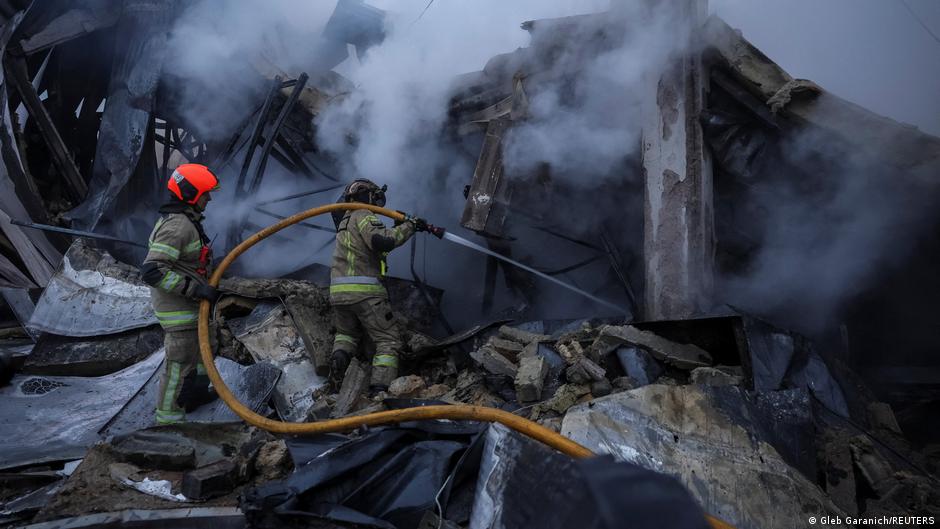
US Intercepts Iranian Ballistic Missile Attack Amid Middle East Tensions, Impacting Sterling and London Markets
Ballistic missile attacks from Iran on US forces in the Middle East heighten geopolitical risks affecting British and EU economic interests and market stability.
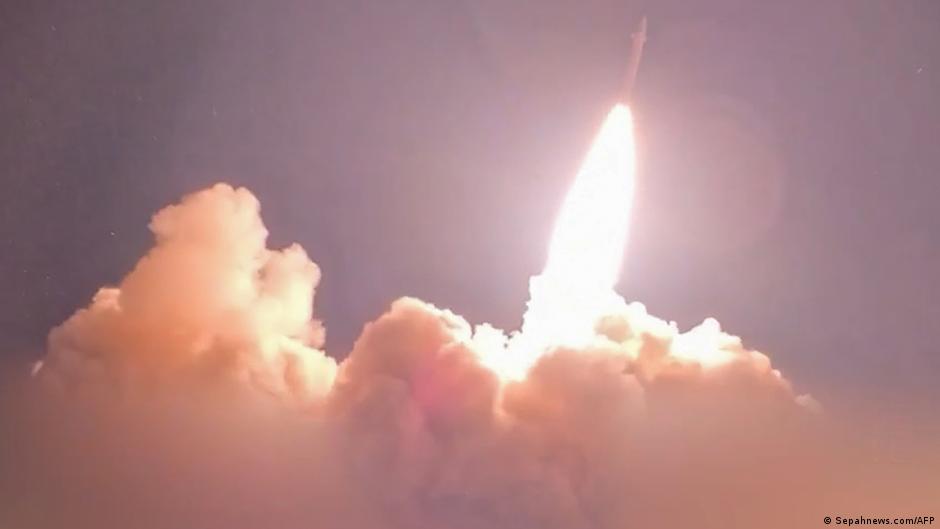
Recent developments in the Middle East have seen heightened military tensions as the United States intercepted ballistic missiles launched from Iran targeting US forces stationed in the region. This escalation poses significant implications for British and European economic interests, particularly regarding energy security and market stability.
Details of the Missile Interception and Regional Context
On the night of July 29, the US Central Command (CENTCOM) reported that the Islamic Revolutionary Guard Corps (IRGC) of Iran launched multiple ballistic missiles in an apparent "attempted surprise attack" against US military personnel deployed across the Middle East. According to CENTCOM, all missiles were successfully intercepted, and US forces remain on high alert.
"US forces in the region maintain vigilance and remain at a high state of combat readiness," CENTCOM stated on social media platform X.
This missile attack marks the first direct Iranian strike on a US military base in the region since former President Donald Trump halted US airstrikes against Iran. Notably, the missile launches reportedly targeted a US base in Jordan, a strategic partner within the region and a key player in regional security frameworks involving European allies.
Implications for UK and European Interests
The ongoing conflict between the US and Iran threatens to destabilize the critical shipping lanes in the Strait of Hormuz, through which a substantial portion of global oil supplies pass. Britain and the European Union, heavily reliant on stable energy imports, face heightened risks of supply disruptions and price volatility. Such instability exerts pressure on sterling and European currencies, reflected in cautious trading on the London markets.
Between July 12 and 24, the US conducted targeted strikes against Iranian military sites aiming to degrade Tehran's capability to threaten commercial shipping. Despite a framework agreement between Washington and Tehran, Iran has repeatedly targeted oil tankers in this strategically vital waterway, actions that have alarmed European energy stakeholders.
Furthermore, the escalation increases the risk premium on assets linked to UK and EU exposure in the region, complicating investment decisions and potentially slowing economic growth. London’s financial markets have responded with volatility amid uncertainty surrounding the potential for expanded conflict and its wider economic consequences.
US Strategic Considerations and Broader Economic Outlook
Following the initial escalation, US President Joe Biden’s administration reportedly deferred further large-scale military action against Iran. According to reports, this decision considered the finite inventory of missile interceptors such as the Patriot system, critical for regional air defense, and the potential triggering of a global energy crisis.
Of particular concern to European policymakers and business leaders is the threat that renewed conflict could drive up energy prices, exacerbate inflationary pressures, and disrupt fragile economic recovery efforts post-pandemic.
As tensions persist, British and European stakeholders are closely monitoring developments in the Middle East. The situation underscores the interconnectedness of geopolitical stability, energy security, and financial market performance, reinforcing the need for coordinated international diplomacy and strategic risk management.